





Introduction — Understanding Taxis in Kotor, Montenegro
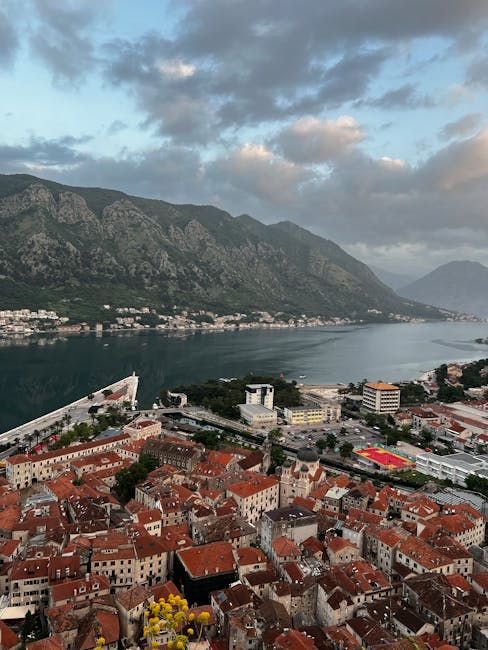
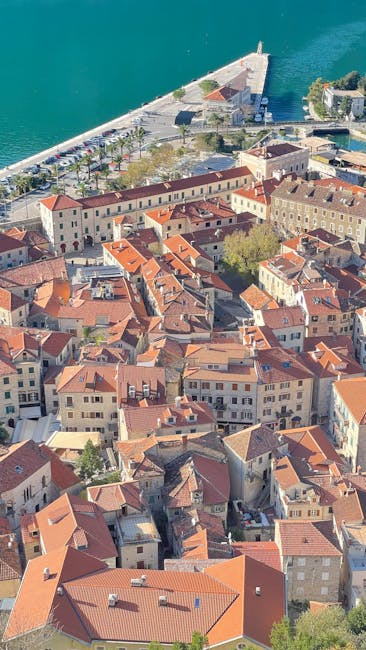
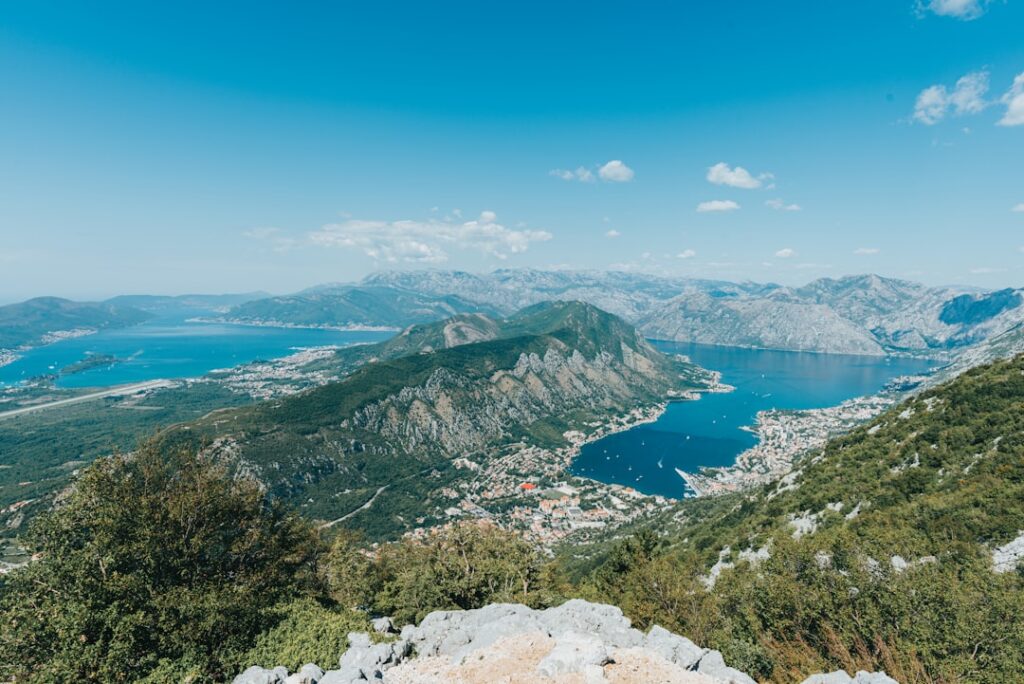
Kotor, a small medieval town tucked into the head of the Boka Kotorska (Bay of Kotor), draws visitors from around the globe with its ramparts, cobbled lanes and cliffside ruins. For travelers, taxis are often the most convenient way to get to the airport, reach Perast or Budva, climb up to the Citadel (San Giovanni) fortress, or simply hop between the Old Town and the piers. However, as in many tourist hotspots, options vary and local unwritten rules differ: it’s essential to know local practices, typical fares, official pickup points and the common scams so you can avoid stress and unpleasant surprises.
This comprehensive guide gives you a clear, practical picture of how taxis operate in Kotor. You’ll find: exact taxi stand locations with addresses, sample fares in euros for the most common journeys, hours and availability, differences between official taxis, local ride services and private shuttles, tips for booking safely (apps, phone, hotel desk), and an overview of typical scams and how to avoid them. I also share local tricks — for example where to wait for a taxi without extra surcharges, how to negotiate smartly, and how to check the meter and the vehicle license. The information below combines on-the-ground observations and recent user reports, useful before you travel or once you arrive in Kotor.
Whether you’re landing at Tivat International Airport (TIV), Podgorica Airport (TGD), arriving by cruise ship at the Port of Kotor (Obala Marka Martinovića) or by bus at the local station (Autobuska Stanica Kotor), this guide helps you make quick, safe choices. It’s aimed at independent travelers, business visitors, couples and families alike. Expect spectacular taxi rides — the winding road along the bay, the views on the climb up to the ramparts, and the sparkling harbors — but also stay alert to avoid overcharging and other pitfalls.
1) Where to find a taxi in Kotor and useful addresses
Kotor has official pickup points and spots where taxis naturally gather. Knowing these locations reduces waiting time and lowers the risk of getting into an unauthorized vehicle. Here are the key spots with addresses and practical details:
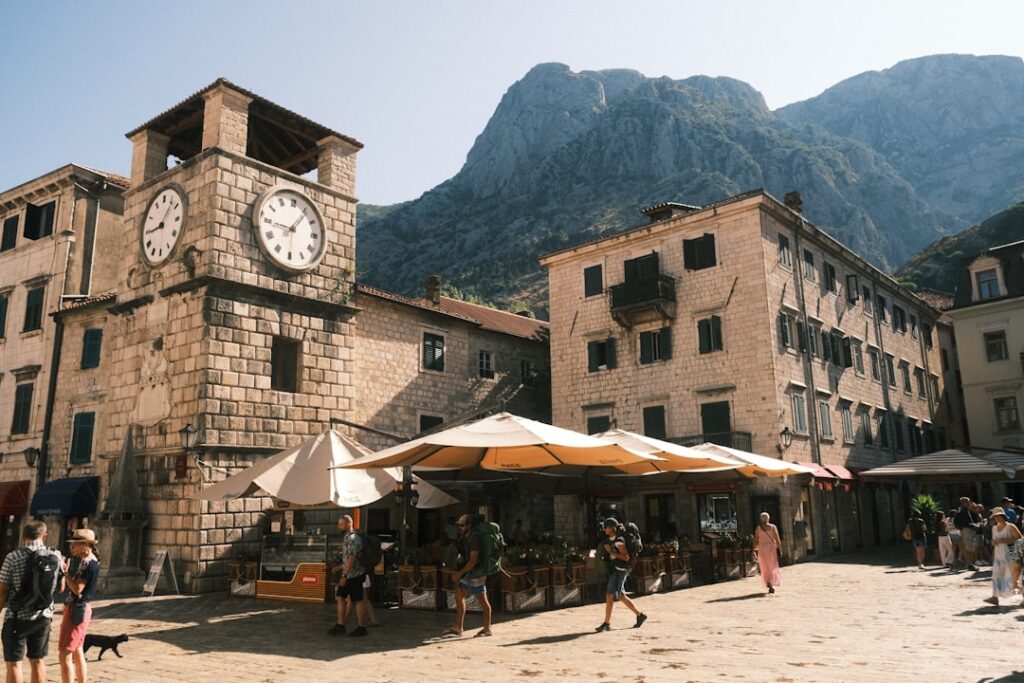
- Trg od Oružja (Main Square, Old Town) — Address: Trg od Oružja, Stari Grad, 85330 Kotor. This is the heart of the Old Town. Taxis pass by regularly but space is limited; in high season it can be hard to be dropped off or picked up directly. Be prepared to walk a short distance to the main gate if needed.
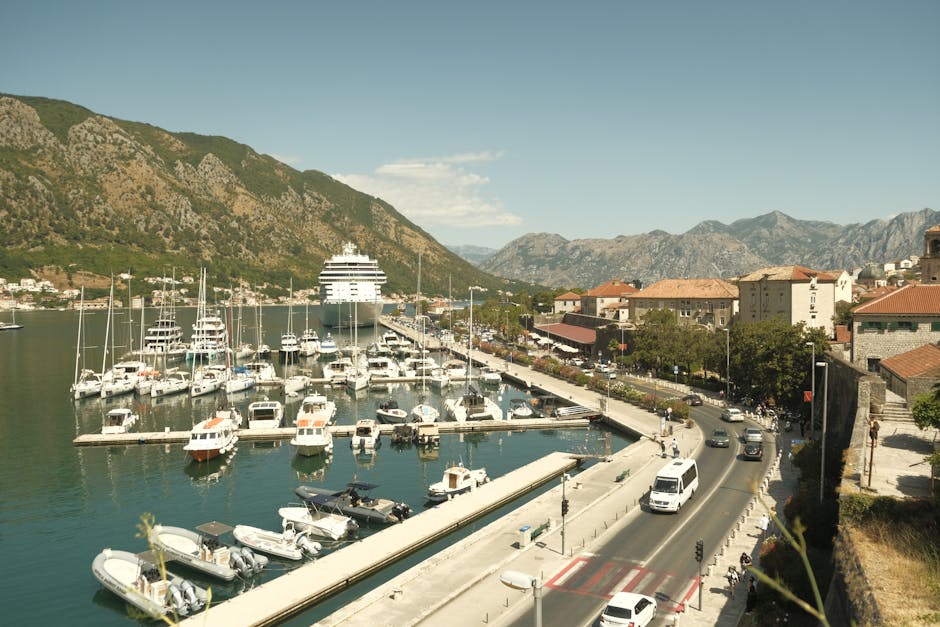
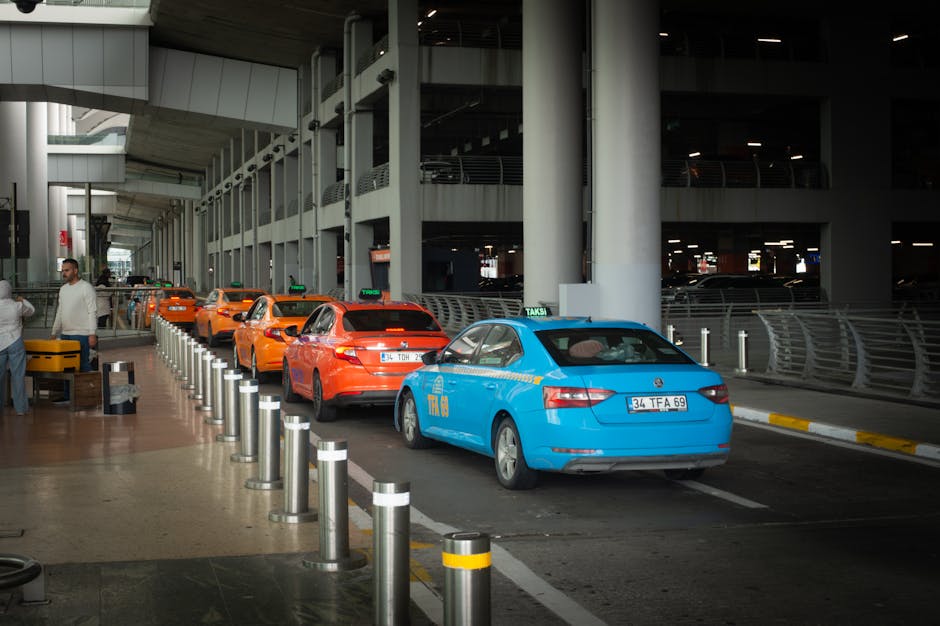
- Port of Kotor – Obala Marka Martinovića — Address: Obala Marka Martinovića, 85330 Kotor. This is the main quay for boats and yachts. Taxis usually wait near the port parking area — ideal for cruise ship arrivals.
- Bus Station (Autobuska Stanica Kotor) — Address: Obala Vladimira Nazora bb, 85330 Kotor. Located along the waterfront, the bus station is a central hub for intercity connections. Local drivers often pick up passengers directly from the station.
- Tivat Airport (TIV) taxi stand — Address: Tivat Airport, Donja Lastva, 85320 Tivat. The airport is about 8 km from Kotor; many taxis wait there and advertised or announced prices are common.
- Main Trailhead for the Fortress — Address: Vrata od Mora / South Gate area, Stari Grad, 85330 Kotor. Many visitors take a taxi to the base of the trail to climb to the fortress.
Hours: Most taxis in Kotor run 24/7, especially during high season (May–October). In low season, nighttime frequency drops, but services are still available — it’s best to call or book through your hotel if you’re traveling late. Official taxi stands at the port and bus station operate all day, with peak activity between 08:00 and 20:00 when cruise ships arrive or depart.
2) Typical fares, sample routes and how pricing works
Taxi prices in Montenegro are either metered or negotiated depending on the driver and the type of trip (airport, intercity, pre-booked transfer). Here’s a representative fare table for Kotor, shown in euros (€). These figures are indicative and reflect average conditions in 2024–2025: they can vary by time of day, traffic, amount of luggage and season.
- Kotor Old Town (Trg od Oružja) → Tivat Airport (TIV): €15–25. Distance ≈ 8 km, duration 15–25 min. Airport taxis often offer fixed transfers around €20.
- Kotor Old Town → Podgorica Airport (TGD): €90–120. Distance ≈ 85–100 km, duration 1h30–2h depending on route and traffic. Book ahead to secure a fixed price.
- Kotor Old Town → Budva (Budva Bus Station, Trg Partizana 1): €25–35. Distance ≈ 23 km, duration 30–40 min.
- Kotor Old Town → Perast (Centar Perast): €10–15. Distance ≈ 7–9 km, duration 15–20 min.
- Short in-town ride (Stari Grad to South Gate): €2–5. Inner-city trips in Kotor are very short and inexpensive.
- Airport pickup (TIV) — luggage surcharge: often +€2–5 depending on quantity and distance from parking to the vehicle.
How fares are calculated:
- Meters: many taxis use a meter — check that it’s turned on at the start and note the starting fare (for example €1.20 as pickup). Additional kilometers are added automatically. If the driver refuses to use the meter, insist or choose another taxi.
- Fixed prices: for airport or intercity transfers it’s common to agree a fixed price before departure (handy at night or for long trips). Ask for confirmation in writing or via message if possible.
- Apps and bookings: there are a few local online booking services (local agency websites). Hotels and tour operators often post their own fares — sometimes slightly higher than street taxis but with guaranteed pickup.
Practical tip: carry change (coins and small euro notes) because some drivers have limited change and some cars don’t accept cards, especially off-season. For longer airport transfers (Podgorica), always compare a taxi price with a shared shuttle — the shuttle can be cheaper if you’re traveling light.
3) How to identify an official taxi and check the license and meter
Avoiding fake taxis is about simple checks before you get in: vehicle appearance, plates, visible signs and driver behavior. Here are the items to verify every time.
Visual — vehicle indicators
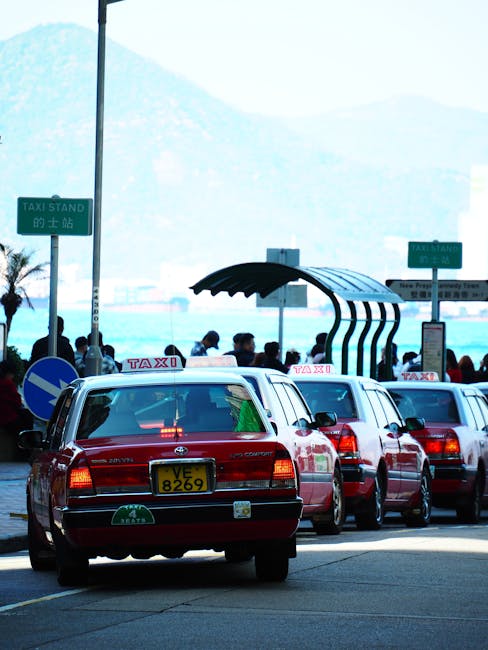
- Illuminated “TAXI” sign on the roof: most official taxis have a standard illuminated “TAXI” sign. Note: some private cars may display an unofficial sign.
- Registration number and commercial plate: taxis often show an ID number on the doors. Look for a license or municipal sticker inside the windshield.
- Visible meter: it should be placed so the passenger can see it. If the meter is missing, not working or hidden, refuse the ride.
Driver behavior
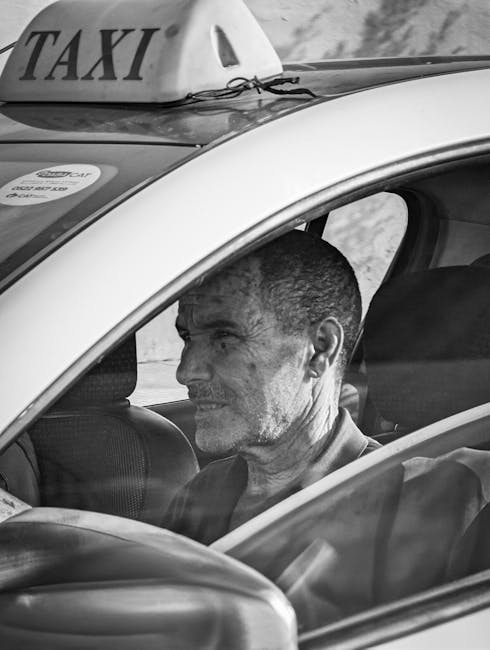
- The driver should be polite and willing to give their name and, if asked, show their license. They should accept payment in euros and explain the fare (meter or fixed price).
- If the driver refuses the meter without a valid reason, propose a price in advance and if it seems excessive, find another taxi.
- Avoid drivers who insist on taking you to an exchange office or a particular shop. Pushing you toward a specific merchant can indicate a kickback arrangement.
What to do if a taxi doesn’t meet the criteria:
- Politely refuse the ride and go to the nearest official taxi point (Trg od Oružja, the port or the bus station).
- Call your hotel reception: hotels often work with reliable taxi companies and can dispatch a confirmed vehicle.
- If you’re already en route and the driver chooses a clearly longer route, calmly ask why and watch the meter. If they persist, ask to be dropped off at the nearest busy spot and report the incident to the municipal police if needed.
4) Common scams and how to avoid them
While most drivers in Kotor are honest, there are typical scams to watch for. Knowing these scenarios helps you react quickly and protect your wallet.
Frequent scams
- Excessive fixed fare with no meter: the driver quotes a fixed price far above normal rates, especially from the airport or port. Always ask for an estimate based on the guidelines above and negotiate before getting in when possible.
- Extended route: the driver intentionally takes a longer route to push up the meter fare. Solution: follow the route on a GPS app (Google Maps/your phone) and politely point out the detour.
- No change / counterfeit notes: some drivers claim they don’t have change or try to pass fake bills. Carry small notes and coins (€5, €10, €20) to avoid this problem.
- Luggage or waiting surcharges: drivers demand extra for luggage or charge an inflated waiting fee. Ask about luggage charges before loading (typically €2–5).
- Unofficial taxis at port/airport: individuals offering “taxis” who aren’t registered — avoid them and head to the official taxi area.
How to react
- Always request the meter to be switched on (or a written price if you agree a fixed fare). Take a photo of the license plate and the meter at the start if you’re suspicious.
- If you’re scammed, note the vehicle number, driver description and time, then report it to local police (Policija Kotor) or your hotel reception. Tourist offices can help file a report.
- Book through your hotel, a reputable transfer company, or use a company listed on the official Montenegro tourism website to avoid lone drivers.
5) Booking, alternatives and practical tips for travelers
To keep your trip stress-free, booking ahead is often the safest option. Here are methods, alternatives and concrete tips.
Booking and apps
- Book through your hotel or agency: the safest way for airport or intercity transfers (Podgorica, Dubrovnik via the border). Ask hotel staff for the company name, agreed fare and written confirmation.
- Local online services: some local agencies accept bookings via email or web form (search “Kotor airport transfer”). Advance bookings secure a fixed price and often a multilingual driver.
- GPS apps: Google Maps and Waze are useful to track the route; while Uber-like apps aren’t widely used in Montenegro, local apps or WhatsApp-based services exist — check reviews before using them.
Alternatives to regular taxis
- Intercity bus: the Obala Vladimira Nazora bus station runs regular routes to Budva, Podgorica and other towns. Buses are often much cheaper (e.g., Kotor → Budva ≈ €3–5 by bus).
- Shared shuttles: for airport trips, shared shuttles are an economical option (bookable at airport desks or online). Journey time can be longer if multiple stops are scheduled.
- Car hire: useful if you plan frequent excursions (bay drives, Lovćen). Agencies operate at Tivat Airport, Podgorica and downtown.
Local tips
- Take a photo of the driver’s ID card or company badge if something feels off.
- If you travel in a group, ask for an appropriate vehicle: a minivan often costs a little more but is worth it for comfort.
- Bring cash in euros to avoid card issues; however, official taxis sometimes accept cards (confirm before you start).
- During peak times (cruise arrivals, late afternoon), book 30–60 minutes early to avoid long waits.
Conclusion — Travel calmly by taxi in Kotor
Getting around Kotor by taxi is generally straightforward and convenient: distances are short for common trips (old harbor, Perast, Tivat Airport) and local drivers know the area well. Still, caution and preparation make all the difference. In practical terms, follow these tips: use official pickup points (Trg od Oružja, Obala Marka Martinovića, Autobuska Stanica Kotor), ask for the meter or a written fare before you go, carry small notes and have a rough idea of expected prices. For long-distance transfers (Podgorica, Dubrovnik) or airport arrivals/departures, book through your hotel or a transfer company to secure a guaranteed fare and punctual pickup.
Keep common scams in mind (inflated fixed fares, extended routes, change issues) and act calmly but firmly if something seems off: take photos, note vehicle details, and report the incident. Local authorities and hotel reception teams are used to handling these complaints and can often step in to resolve an issue.
Finally, enjoy the rides: the road along the Bay of Kotor, the views on the climb to the San Giovanni fortress, or the short hop to Perast offer memorable panoramas. With a little planning and these practical tips, your taxi journeys in Kotor will be both efficient and safe — leaving you free to focus on the important stuff: savoring Montenegrin cuisine, wandering medieval streets and admiring the stunning Boka Kotorska.