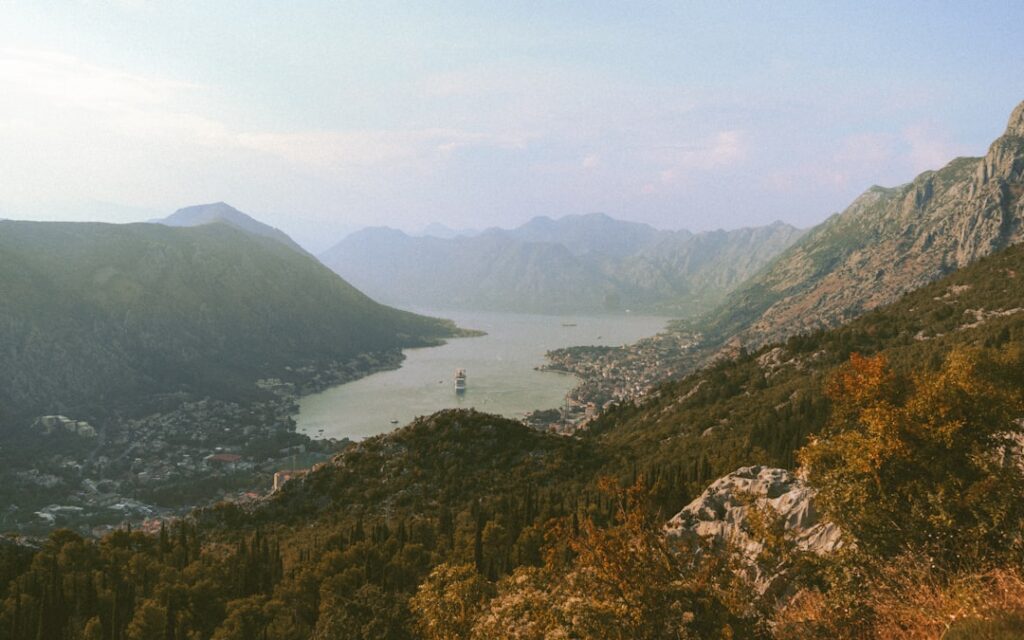






Introduction — Beaches, alleys and nightlife in Montenegro: Kotor vs Budva
The Montenegrin coast is short but wildly varied, and travelers often compare two very different faces of it: the historic, almost mystical Bay of Kotor, and Budva’s lively, party-ready waterfront. In this practical, detailed guide we put the two side by side: beaches and water, winding alleys and heritage, and finally the nightlife — so you can choose based on what you want or plan a combined itinerary. You’ll find exact addresses, typical opening hours, prices in euros and tested local tips for each activity, site and neighborhood. The goal is simple: reliable info, vivid description and immediate usefulness to plan a day, a weekend or several nights.
Kotor is the embodiment of Montenegro’s historical side: a medieval old town (Stari Grad) tucked into a narrow inlet of the Bay of Kotor (Boka Kotorska); its paved alleys, Romanesque and Byzantine churches and crenelated walls with the climb up to the St. John Fortress (San Giovanni) deliver dramatic views over sea and mountains. Budva, 25 km to the south, is the other extreme: easily accessible sandy and pebble beaches (Slovenska Plaža, Mogren), a compact but buzzing old town and a nightlife scene that draws DJs, clubs and terrace bars. The two towns are close and complement each other on a short route — some travelers spend a serene day in Kotor and a lively evening in Budva.
This guide covers: beaches (access, water quality, sunbed prices), alleys (must-see sites, museums, churches, addresses), nightlife (clubs, bars, opening hours and cover charges), and practical tips (transport, safety, seasons). We also give restaurant and café recommendations with exact addresses and price ranges so you can plan meals with confidence. Each description includes local tips (best times to avoid crowds, how to climb to the fortress without queues, where to catch a spectacular sunset) so your experience is both authentic and relaxed.
Note on seasonality: summer (June–August) concentrates the most activity, paid beach services and late-night clubs; spring and autumn are great for visiting Kotor without the crowds and enjoying the bay’s colors. Off-season some venues close or reduce hours; the times and prices shown below correspond to the high season (April–October) and are indicative. Check ahead for special events (festivals, concerts) which can change prices and opening hours.
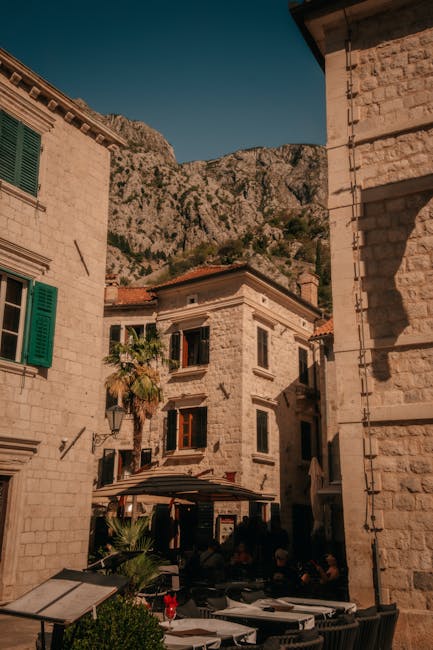
Kotor — alleys, heritage and high walks
Kotor is best explored on foot. The old town (Stari Grad) is a UNESCO World Heritage site and unfolds through a network of narrow alleys, squares and monuments. Central address: Old Town, Stari Grad, 85330 Kotor, Montenegro. Key highlights:
- St. Tryphon Cathedral (Katedrala Svetog Tripuna) — Address: Trg od Oružja, 85330 Kotor. Opening hours: usually 09:00–17:00 (hours vary by season). Price: donation or suggested entry 1–2 € for maintenance. Description: 12th-century Romanesque cathedral, richly decorated interior and a treasure of ecclesiastical objects. Tip: visit early morning for the best light and a quieter interior.
- Maritime Museum of Montenegro — Address: Trg od Oružja 1, 85330 Kotor. Opening hours: 09:00–17:00 (high season), closed some days off-season. Price: ~5 € entry. Description: ship models, navigation instruments and the naval history of the bay. Great to understand Kotor’s maritime importance.
- City walls and St. John / San Giovanni Fortress — Starting point: the main old town gate (Sea Gate) / staircase trail near the Maritime Museum. Opening hours: trail usually open 07:00–19:00 (longer in summer). Price: ~8 € for access/maintenance (varies by season). Description: a steep but relatively short climb (about 1–1.5 h with breaks) offering vertiginous views over the bay. Tip: climb at sunset but leave enough time to descend before dark; wear closed, grippy shoes.
Suggested routes: start at the main square (Trg od Oružja), visit the cathedral, then wind through the alleys toward the harbor for a bay photo. After lunch in a local konoba (tavern), head up to the walls. Recommended restaurants:
- Konoba Scala Santa — Address: Stari Grad, 85330 Kotor. Hours: 11:00–23:00. Food: fish dishes and mezzes. Prices: mains 10–20 €.
- Restaurant Galion — Address: Obala 20, Dobrota, 85330 Kotor (seaside, 3 km from the old town). Hours: 12:00–23:00. Prices: mains 18–35 €; tasting menus 35–60 €.
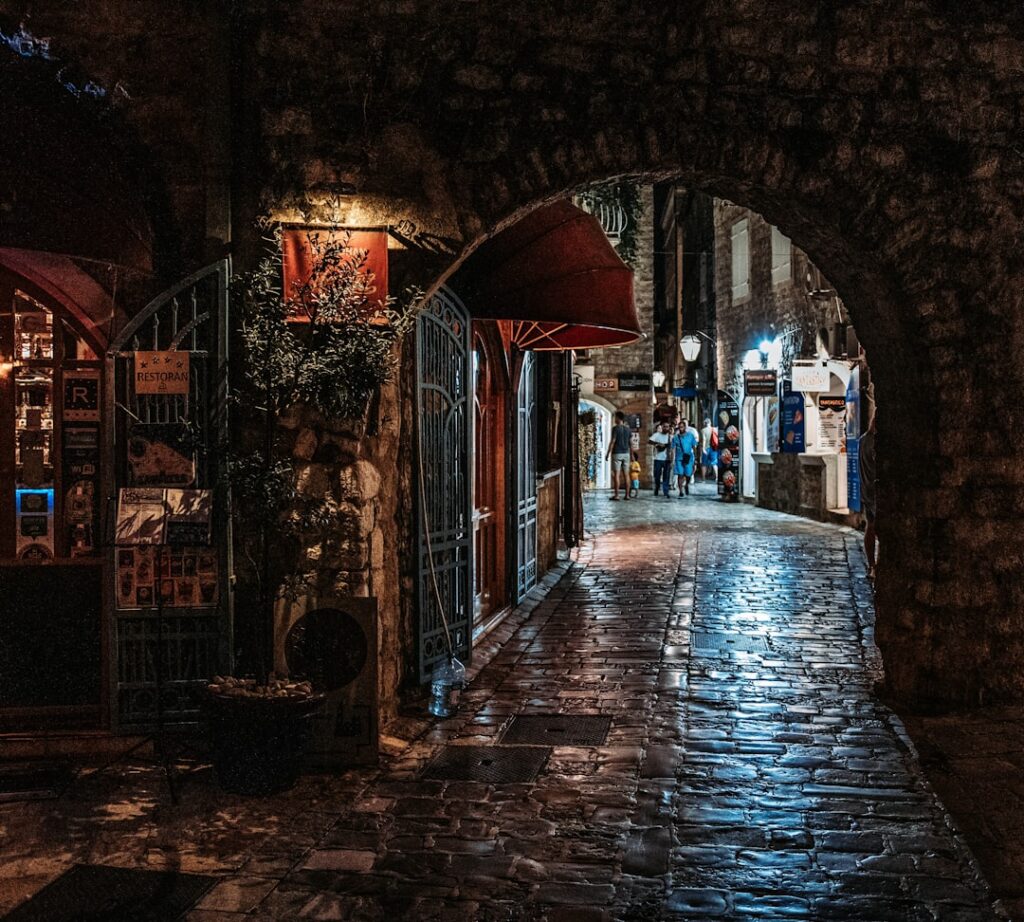
Local tips: avoid the 12:00–15:00 window in high summer if you want to climb the walls without extreme heat. Bring water, a hat and non-slip shoes. For photos, the viewpoint above Our Lady of Health chapel (small chapel on the ascent) is excellent and less crowded. For intercity travel, Kotor–Budva buses run frequently (see transport section), which makes combining both towns in one day practical.
Budva — beaches, sun and an old town that comes alive at night
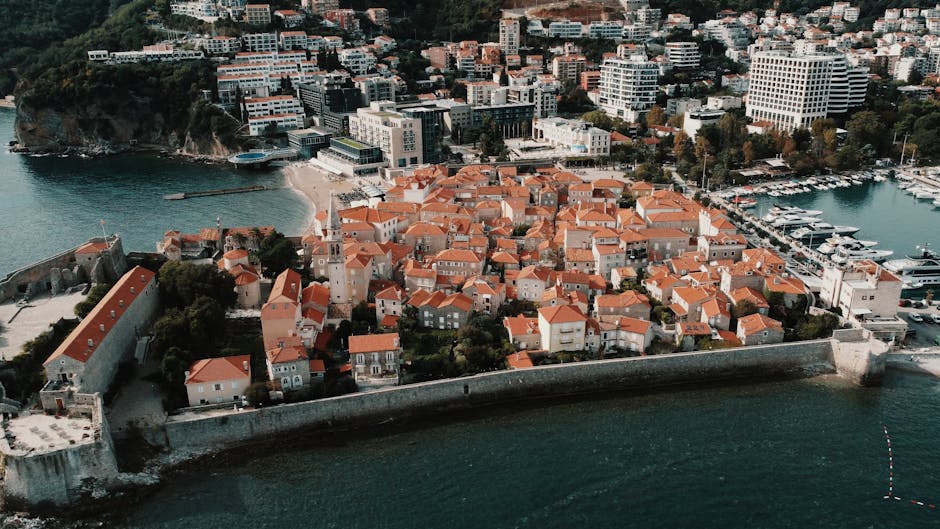
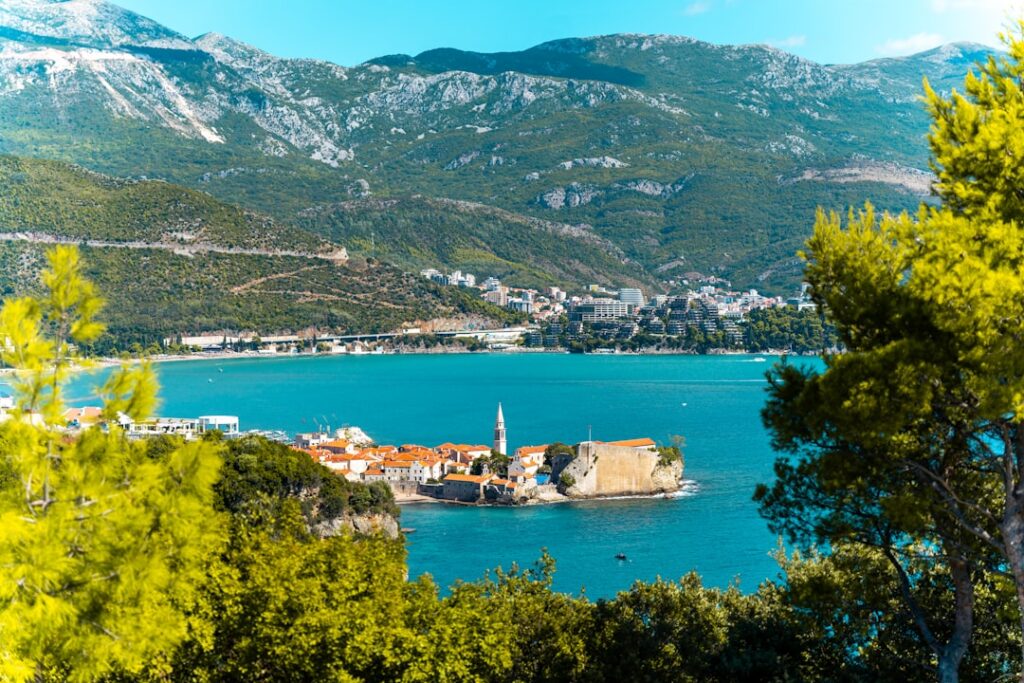
Budva is Montenegro’s most popular seaside resort: long beaches, tourist infrastructure and a well-developed nightlife. The historic core is Budva Old Town (Stari Grad, 85310 Budva) ringed by walls that jut into the sea and provide lively terraces at sunset.
- Slovenska Plaža (Slovenska Beach) — Address: Slovenska Plaža, Budva 85310, Montenegro. Description: Budva’s main beach, fine sand and pebbles, a promenade lined with cafés and restaurants. Access hours: public, 24h; services (sunbeds/parasols) 08:00–20:00. Price: sunbed/umbrella rental 8–12 € per day (varies by spot and season). Tip: choose central areas for buzz, or the southern sections for quieter stretches.
- Mogren Beach — Address: Mogren Beach, Budva 85310, Montenegro (access from the eastern seafront promenade of the old town). Description: two sheltered coves, turquoise water and rocks for jumping, photogenic scenery. Access hours: public; sunbeds 10–15 €. Note: access via a small rocky path — be careful with children and people with reduced mobility.
- Budva Citadel (Citadela) — Address: Stari Grad, Budva 85310, Montenegro. Hours: 09:00–20:00 in high season. Price: entry ~3 € (temporary exhibitions extra). Description: an old fortress overlooking the sea, panoramic views, small exhibits and summer concerts. Perfect for sunset.
Food and specialties: Budva offers a wide range from pizzerias to seafood restaurants. Practical examples:
- Restaurant Jadran Kod Krsta — Address: Slobode 23, 85310 Budva. Hours: 11:00–23:00. Prices: mains 12–25 €. Notes: historic seafront place, good grilled fish and mezzes.
- Restaurant Porto — Address: Obala bb, Budva 85310. Hours: 11:00–23:00. Prices: mains 15–30 €.
Local tips: arrive early at popular beaches to secure a spot, especially in July–August. Public showers and toilets on Slovenska Plaža are usually open 08:00–20:00. To avoid traffic, park early in nearby public lots or take the bus from Kotor or Tivat.
Nightlife — bars, clubs and contrasting vibes
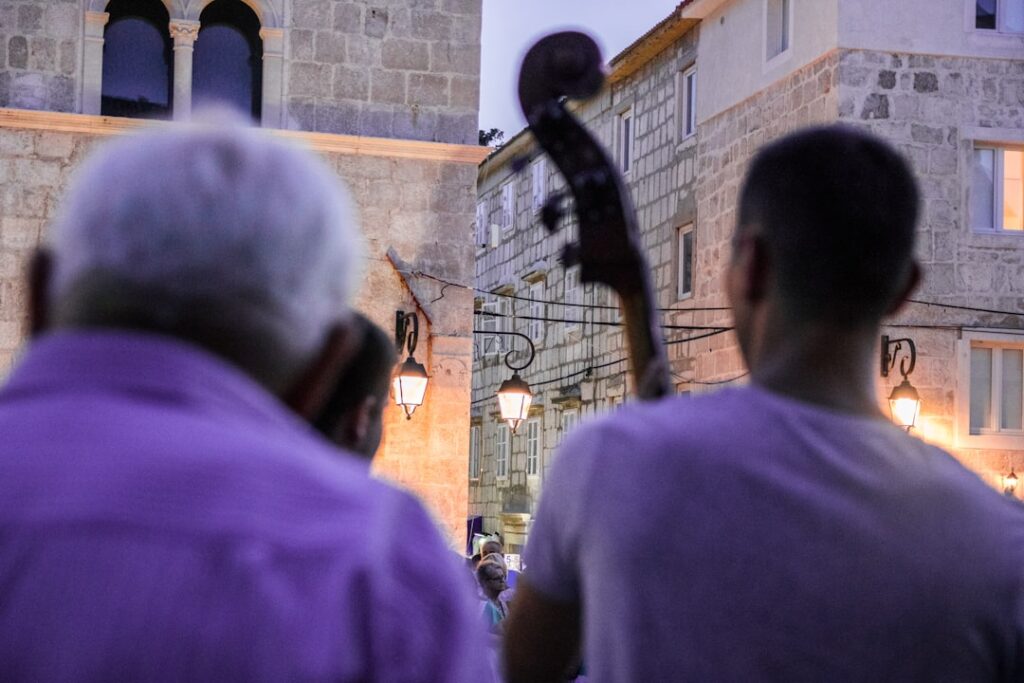
Nightlife is a major point of comparison. Kotor offers a more relaxed, cultural vibe: wine bars, terrace cafés and small clubs where you can catch jazz or live music. Budva, meanwhile, is the coastal party capital, with open-air clubs, beachfront venues and international DJ festivals.
Kotor — mellow evenings and concerts
- Cattaro Jazz & Wine Bar — Address: Stari Grad, 85330 Kotor. Hours: 18:00–01:00 (events vary). Price: cocktails 6–10 €, glasses of wine 3–6 €. Description: cosy bar with jazz/blues programming and wine nights. Ideal for a quieter evening away from the crowds.
- Old Town bites & bars — Various small venues in Stari Grad (around Trg od Oružja). Prices: beers 2–4 €, cocktails 5–8 €. Tip: wander the alleys to find impromptu concerts on the small squares in the evenings.
Budva — clubs, dancing beaches and festivals
- Top Hill (big open-air club) — Address: Top Hill, Podostrog, Budva 85310, Montenegro. Hours: in season 23:00–05:00 (night events, international line-ups). Price: entry 15–30 € depending on the night; standard drinks 5–12 €. Description: hilltop club overlooking Budva with a festival vibe, often shuttles from the town center. Tip: book or buy tickets in advance for popular nights.
- Club Trocadero / Club Maltez — Various locations on the seafront and in the old town. Hours: 22:00–04:00. Price: cover varies, 5–15 €.
Safety and practical tips: entry checks are strict at upscale clubs (Top Hill), so bring ID. Don’t leave valuables unattended on the beach at night. Taxis run 24/7 but night fares can be higher; use local apps or agree the fare before you get in.
Transport, costs and practical planning
Getting between Kotor and Budva is simple and cheap: the coast is well served by intercity buses and private taxi/transfer services. Here’s the practical info to plan trips, costs and your days.
- Boats and sea excursions: many operators run tours of the Bay of Kotor (visiting Perast, Our Lady of the Rocks, seeing the fjord-like inlets). Approx prices: 20–35 € per person for a 2–3 hour trip; departures frequent from Kotor Old Town pier (jetty at Stari Grad pier). Schedules: mornings (09:00–12:00) and afternoons (14:00–17:00).
- Bus Kotor ↔ Budva: high frequency in season (about every 20–60 minutes). Duration: 30–50 minutes depending on traffic. Price: approx. 3–5 € one-way. Depart Kotor: main bus station near Old Town / Autobuska stanica Kotor, 85330 Kotor. Depart Budva: Budva Bus Station, 85310 Budva.
- Taxi and private transfers: Kotor–Budva by taxi 25–40 € depending on negotiation; private transfers often around 30–50 € depending on vehicle and season.
- Parking: Kotor has a paid lot at the old town entrance (fees typically 1–2 € per hour). Budva offers paid parking along Slovenska Plaža and near the old town (daily rates 3–8 € depending on spot and season).
Indicative daily budget (per person): breakfast 4–8 €, lunch 10–20 €, museum/fortress visits 5–10 €, beach sunbed 8–12 €, dinner 15–30 €, night out (entry + drinks) 25–60 €. These ranges let you tailor your trip from backpacker to mid-range or more comfortable styles.
Local tips, safety and seasonal recommendations
Some recommendations from locals and traveler feedback to help you make the most of your stay:
- Best time to visit — May–June and September–October: pleasant temperatures, warm sea, fewer crowds and gentler prices. July–August: high season, many events and crowds, but everything is open and the atmosphere is at its peak.
- Avoiding crowds — In Kotor, head up to the fortress early (before 09:00) or late afternoon; in Budva, get to the beach before 10:00 to secure a sunbed, or park a bit further away and walk to avoid queues.
- Currency and payments — Montenegro uses the euro (€). Many places accept cards, but keep cash for small purchases, buses and tips. Tip: 5–10 % in restaurants if service was good.
- Health and safety — Tap water is generally drinkable in towns, but travelers often prefer bottled water. On the coast, watch out for rocks and local currents when swimming outside protected areas.
- Respecting heritage — In the old towns follow signage, avoid touching delicate façades and wear appropriate shoes for slippery cobbles.
Conclusion — Choose by priorities or combine both
Kotor and Budva show two sides of the same coastline: one historical, intimate and contemplative; the other beach-focused, lively and festive. Choosing between them mainly comes down to your priorities. If you want cultural discovery, dramatic landscapes and calm evenings, Kotor is a must. Its medieval alleys, St. Tryphon Cathedral (Trg od Oružja, 85330 Kotor), Maritime Museum (Trg od Oružja 1) and the climb to St. John (approx. entry 8 €) deliver an authentic historical immersion and unique panoramas over the Boka Kotorska.
If you seek easy-access sunbathing, swimming, music-filled nights and clubs open until dawn, Budva fits the bill. Beaches like Slovenska Plaža (Slovenska Plaža, Budva 85310) and Mogren Beach (Mogren Beach, Budva 85310) offer options between lively stretches and more intimate coves. Nightlife clusters around clubs such as Top Hill (Podostrog, Budva 85310) where cover typically ranges from 15 to 30 € depending on the night.
Good news: the Kotor–Budva proximity (regular bus; trip ~30–50 minutes, ~3–5 €) makes a combined approach easy. Plan 1–2 days in Kotor for museums, walls and calm, then 1–2 days in Budva for beaches, restaurants and nightlife. Check specific times and prices before you go (especially off-season); some museums and clubs adjust hours. Follow local advice (arrive early on beaches, climb the walls outside the hottest hours, book for clubs) and you’ll get the most out of Montenegro’s contrasting coast.
Bottom line: Kotor for history and views; Budva for sun and parties. Both are worth a visit — and if your schedule allows, combine them to get the best of Montenegro in a few days.