





Introduction — Road-trip or Bus: Which Way to Explore Montenegro?
Montenegro, a compact Balkan country hugged by the Adriatic and cut through by dramatic mountain ranges, offers a patchwork of landscapes: Mediterranean-style fjords, karst mountains, glacial lakes and cliffside monasteries. Choosing between a rental-car road-trip and traveling by organized or regular bus is basically choosing how you want to meet those landscapes — each option comes with its strengths, limitations and practical needs. This article compares the two in detail, taking into account real distances, costs (in euros), timetables, useful addresses, logistics, immersive experiences and local tips you need to make a Montenegrin trip work.
A road-trip promises freedom, spontaneous stops and access to scenic roads (think the Budva–Kotor coastal drive or the dramatic switchbacks of the Llogara pass heading into Albania), while the bus offers simplicity, lower costs and less stress behind the wheel on narrow, twisty roads. Seasonality is another factor: in high season (July–August), traffic, prices and demand change the calculus. Altitude and weather matter too: in winter some mountain passes and roads require a suitably equipped car or driving experience; in summer the heat and crowds transform coastal towns.
This guide isn’t just theory: it includes exact addresses (stations, national parks, tourist offices), realistic price ranges in euros (rentals, fuel, tickets), typical timetables (where available) and sensory descriptions to help you decide based on your profile (independent traveler, family, hiker, photographer). We’ll also cover concrete elements: parking, gas stations, insurance, bus companies, service frequency, real travel times and distances. The goal is to give you a practical roadmap answering crucial questions: what does a day on the road really cost? Where can you park in historic centers? Which views will you miss if you only travel by bus? And conversely, what stress do you avoid by taking the bus?
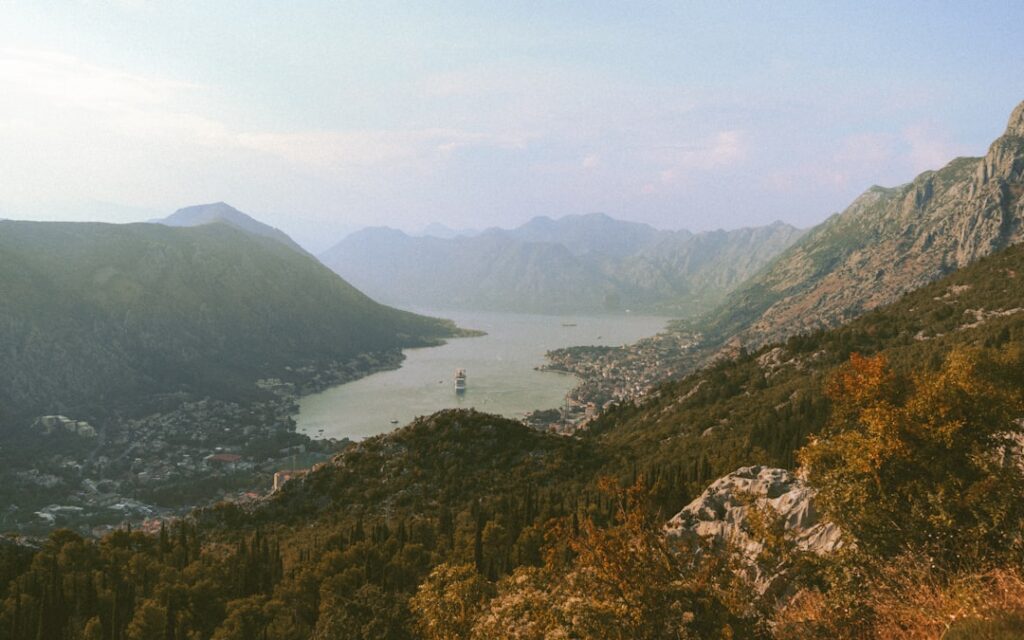
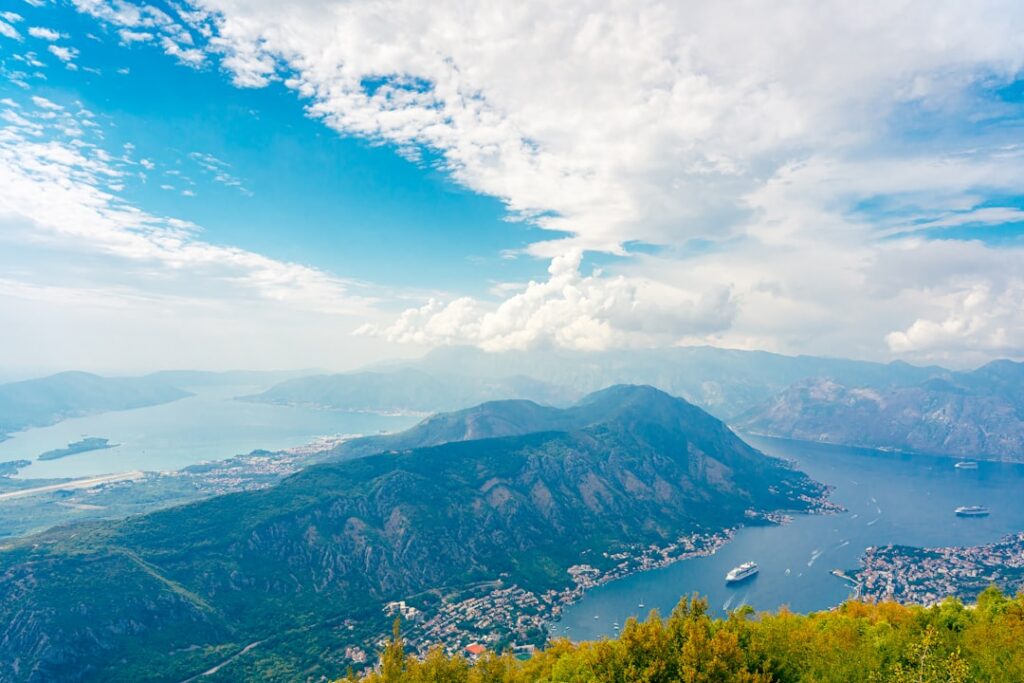
Finally, to keep this article visual and actionable, you’ll find image markers suggesting photo stops to plan (aerial views of Kotor, Durmitor lakes, Tara Canyon, Budva streets, Ostrog Monastery, Porto Montenegro marina, panoramas from the Njegoš Mausoleum). These ideas will help you plan not only how to get around but also the highlight moments to photograph or experience.
1) Road-trip in Montenegro: freedom, routes and practical costs
Road-tripping in Montenegro appeals because of the flexibility: you can stop when you like, change your route for a view or a local tip. Here’s the practical information to organize an efficient road-trip, with addresses, prices and useful timetables.
Car rental and insurance
- International and local companies: Sixt Montenegro (agent at Tivat Airport), AvantCar, LocalRent — agencies in Podgorica and Tivat city centers. Example: Sixt Rent a Car, Aerodrom Tivat, 85320 Tivat. Book ahead in high season.
- Prices: for a small economy car (VW Polo, Renault Clio), expect around €25–45 / day excluding extra insurance. For an SUV or mid-size car (Renault Captur, Dacia Duster), budget €45–80 / day. Unlimited mileage is often included, but double-check.
- Fuel: average 2026 prices around €1.60–1.80 / litre (petrol). Most stations accept cards; carry some cash for small rural pumps.
- Insurance: CDW (Collision Damage Waiver) is usually included but with an excess. For peace of mind add a super-CDW with no excess (extra €8–15 / day).
Practical tip: choose a car with air conditioning and, if you plan to head into the mountains (Durmitor, Njeguši), check ground clearance and tyre condition. Main roads are paved, but some secondary roads (northward, to isolated villages) can be in poor shape, especially after bad weather.
Recommended routes for 5–10 days
Here are two sample routes with approximate durations and distances:
- Coastal & Bay of Kotor route (5 days): Tivat Airport (Aerodrom Tivat, 85320 Tivat) → Porto Montenegro, Tivat (Porto Monténégro, Obala bb, 85320 Tivat) → Budva (Stari Grad, Budva 85310) → Sveti Stefan (Sveti Stefan, 85320) → Kotor (Trg od Oružja, Kotor 85330). Short daily distances (20–40 km/day) but heavy summer traffic. Perfect for beaches, coastal villages and maritime photography.
- Mountains & canyons route (7–10 days): Podgorica (Autobuska stanica Podgorica, Trg Republike, 81000 Podgorica) → Njeguši (Njeguši village, Cetinje municipality) → Lovćen National Park (Ravni, Cetinje) → Kotor → Tara Canyon (access via Mojkovac / Žabljak) → Durmitor National Park (NP Durmitor, 84220 Žabljak). Longer stretches (100–200 km/day) depending on segments. Requires more focused driving but offers hiking, canoeing and alpine panoramas.
Estimated daily costs (realistic): rental €35 + fuel €15–30 + parking €3–10 + meals €15–30 = €68–105 / day. These vary by season, vehicle and travel style.
Parking, tolls and restrictions
Montenegro doesn’t have widespread road tolls like some Western European countries, but some private roads or parking areas are chargeable.
- Porto Montenegro Parking: Porto Monténégro Parking, Obala bb, 85320 Tivat — approximate rate €2–4 / hour in high season.
- Kotor Parking: public parking near the Old Town (Trg od Oružja, Kotor 85330) or along the waterfront. Expect €1–3 / hour or €6–12 / day depending on location and season.
- Lovćen (Njegoš Mausoleum): parking at the summit is limited; the best option is to park at Ravni, Lovćen and walk up or take a seasonal shuttle.
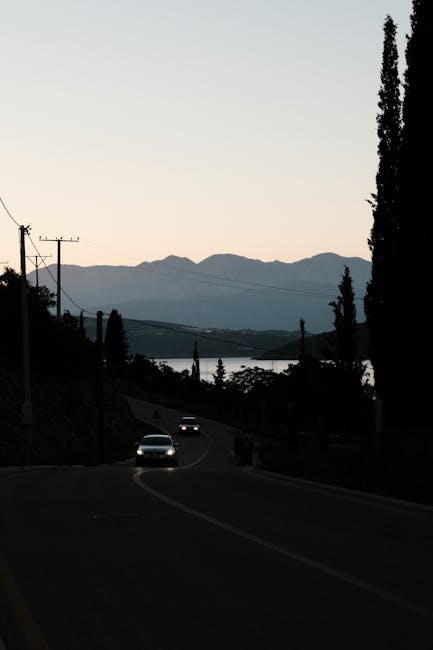
Key road-trip advantage: you can arrive very early at popular spots (for example the Kotor bay viewpoint at 7am for soft light) and leave after sunset. Downsides: driver stress, fatigue and sometimes tricky parking in historic centers.
2) Traveling by Bus in Montenegro: simplicity, price and access to tourist spots
Montenegro’s bus network is relatively dense between major cities and coastal resorts. For many travelers, the bus is an economical, low-stress and reliable option. Here’s an overview of main routes, station addresses, indicative prices and tips to make the most of bus travel.
Main stations and companies
- Autobuska stanica Podgorica — Trg Republike, 81000 Podgorica (central bus station). Opening hours: usually 05:00–22:00. Services: ticket counters, ATMs and information.
- Autobuska stanica Kotor — Škaljari bb, 85330 Kotor (Kotor’s main bus terminal). Hours vary by season; coastal connections are numerous in summer.
- Autobuska stanica Budva — Trg sunca bb, 85310 Budva. Hours: 06:00–21:00 in high season. Frequent shuttles to Tivat, Kotor and Podgorica.
- Popular companies: Glušica Tours, Montenegro Lines, Lasta (international routes). Tickets are bought at counters or through local agents; some operators offer online booking.
Tip: in high season buy tickets the day before for popular routes (Kotor ↔ Budva, Podgorica ↔ Kotor) to avoid standing or missing a connection.
Typical fares and travel times
- Podgorica → Kotor: duration ≈ 1h30–2h, price ≈ €6–10 depending on service (express or local).
- Podgorica → Budva: duration ≈ 1h, price ≈ €5–8.
- Budva → Kotor: duration ≈ 30–45 min, price ≈ €2.5–4.
- Podgorica → Žabljak (Durmitor): duration ≈ 3–4h, price ≈ €8–12. Connections are less frequent; sometimes you change at Mojkovac.
Local buses are generally comfortable but vary by company and vehicle age. Seats aren’t always numbered; arrive 15–30 minutes early to secure a spot, especially with large luggage. Intercity buses usually accept luggage stored in the hold for free, but check limits and keep valuables with you.
Tourist experience and limitations
Taking the bus in Montenegro is ideal for:
- Budget travelers or anyone who prefers not to drive.
- Journeys between major towns and coastal resorts: reliable and frequent in summer.
- Meeting other travelers and locals, and picking up authentic recommendations.
Limitations:
- Less flexibility for photo stops or detours to remote viewpoints (e.g. some viewpoints on the Njeguši road or small waterfalls not served by public buses).
- Fixed schedules: you’re tied to departures and arrivals; evening connections may be scarce, especially to mountain areas like Žabljak.
- Restricted access to some hiking trailheads located on small, unscheduled roads.
In short, the bus is a practical, economical and more eco-friendly option, but it will make you miss some hidden gems reachable only by car.
3) Must-see places and how to visit them by car vs bus
Some Montenegrin sites suit a road-trip better, others are easy to reach by bus. Below is a selection of major places with addresses, opening times, prices and practical recommendations depending on your mode of transport.
Kotor and the Bay of Kotor
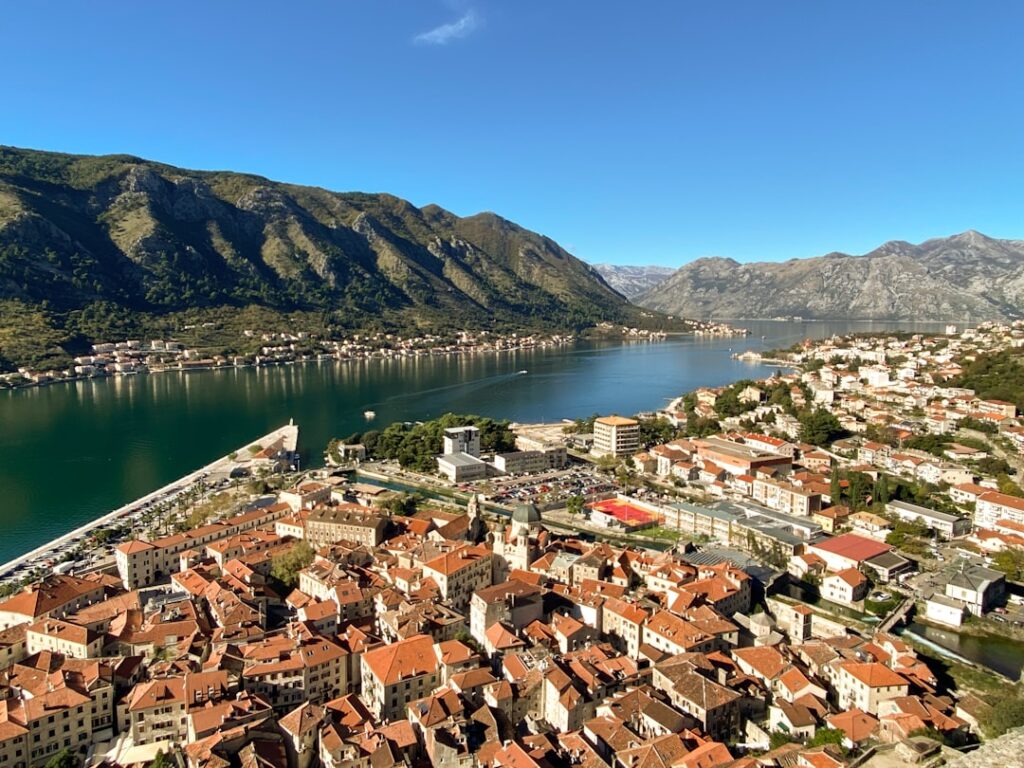
Place: Kotor Old Town — Trg od Oružja, Kotor 85330. City wall climb: ticket ≈ €8 (opening hours 09:00–19:00 in summer; reduced hours off-season). Large public parking is at the port, and Porto Montenegro is 7–10 minutes by car.
By car: arrive early (before 9am) to park near the walls and climb before the crowds. By bus: Kotor’s bus station serves the Old Town; outside the terminal you’re right in Stari Grad (Old Town). The bus advantage is no parking hassle; the downside is less freedom to reach external viewpoints.
Budva and Sveti Stefan
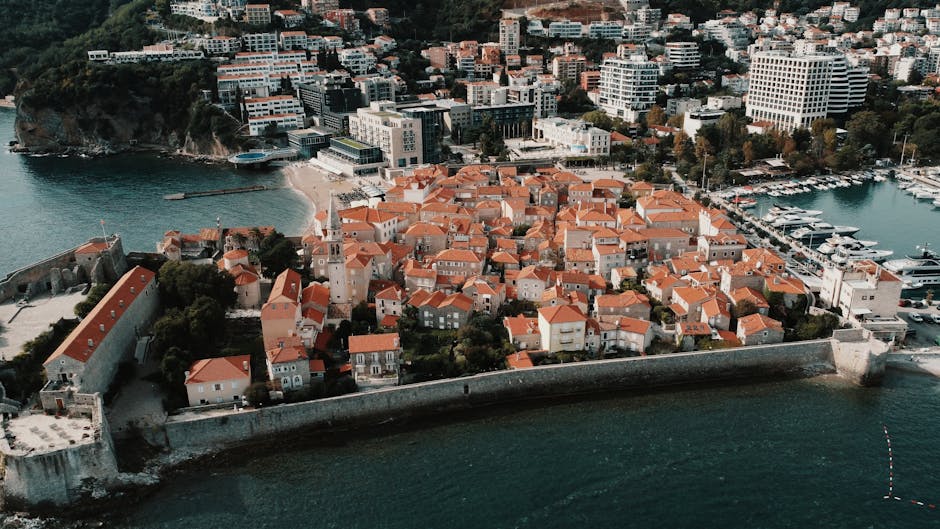
Place: Stari Grad, Budva 85310 (Budva Old Town). Sveti Stefan address: Sveti Stefan, 85320 Budva. Access: Budva is 20–30 minutes from Tivat by car. Budva has several paid parking areas near the Old Town (rates ≈ €1–3 / hour).
By bus: regular Tivat ↔ Budva ↔ Sveti Stefan connections, low fares and stops nearby. But if you want hidden beaches or villages like Pržno, a car makes small detours much easier.
Ostrog Monastery and Njeguši
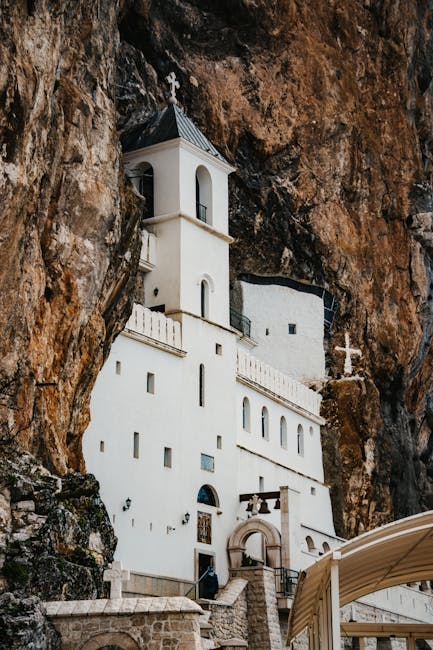
Ostrog Monastery — Ostrog, Sutorka bb, 81210 Danilovgrad. Open year-round; it’s a pilgrimage site accessible 24/7. No entrance fee, though donations are common. From Podgorica it’s about 1 hour by car (60–70 km).
By car: you can arrive early, park at the base and walk up or take a minibus. By bus: some regional services go to Danilovgrad, but the final stretch to Ostrog often requires a shuttle or taxi (budget €10–30 depending on distance).
Durmitor National Park and Tara Canyon
Durmitor NP — NP Durmitor, 84220 Žabljak (Park Office: NP Durmitor Visitor Center, Žabljak). Opening hours: usually 09:00–17:00 at the office in season. Tickets and parking for some sites: €3–5 for guided entry or parking at tourist sites.
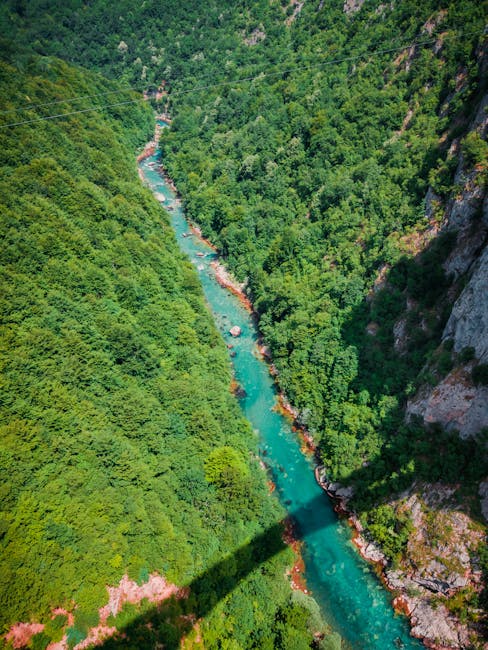
The Podgorica → Žabljak drive offers spectacular detours (Kolašin, Mojkovac) and chances to stop at Tara Canyon viewpoints. Rafting on the Tara is bookable from Mojkovac or Žabljak; prices roughly ≈ €25–50 depending on duration and operator. By bus: Podgorica–Žabljak exists but is less frequent; expect 3–4 hours and arrival times tied to local timetables, which can limit hiking options.
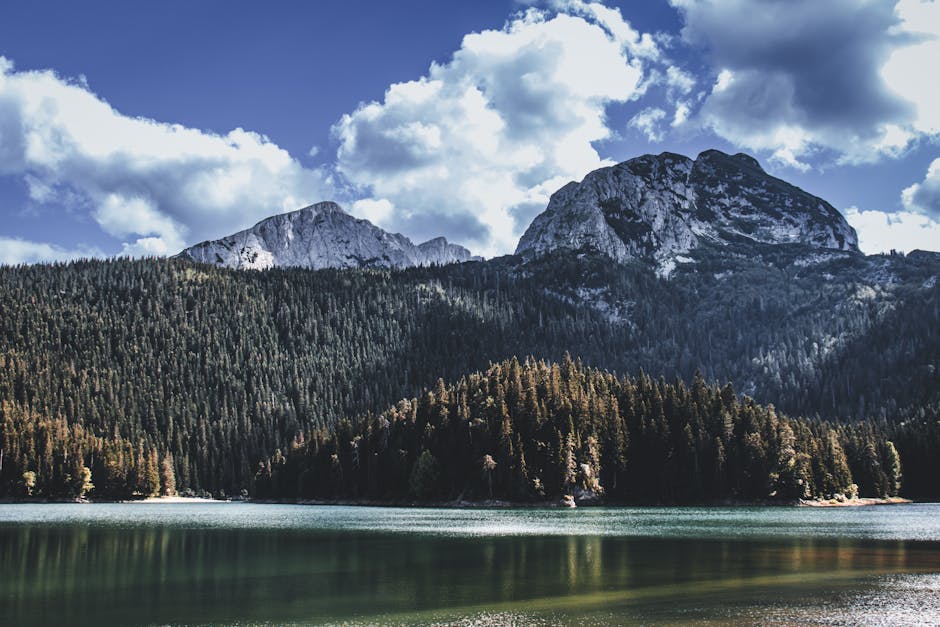
Practical summary: for remote panoramas like Durmitor and the Tara, a car gives essential freedom if you want multiple viewpoints and hikes. The bus gets you to Žabljak but you’ll need planned transfers for long trailheads.
4) Pros, cons and local tips to make an informed choice
To decide, weigh the pros and cons of both modes against your profile: comfort, budget, taste for adventure, safety, ecology and logistics. Below is a detailed recap and local tips that are worth their weight in gold.
Advantages of a road-trip
- Total route and time freedom: great for photographers, hikers and families.
- Access to isolated spots: viewpoints, mountain villages (e.g. Njeguši), stunning panoramic roads at dawn or dusk.
- Ability to carry equipment (bikes, hiking gear) without extra bus fees.
Downsides of a road-trip
- Higher costs: rental, fuel, parking. Average daily budget ≈ €68–105 (see above).
- Driving can be demanding: narrow roads, sharp turns and fast local drivers.
- Limited parking in Old Towns (Kotor, Budva) and high-season rates.
Advantages of the bus
- Cheap: short trips €2–10, longer journeys €8–12.
- No driving stress or parking worries.
- Better for short stays focused on coastal towns.
Downsides of the bus
- Less flexible for detours and photo stops.
- Fixed timetables; connections to mountain areas are sparse off-season.
- Transporting bulky gear (kayaks, bikes) can be tricky for some activities.
Local tips (practical and safety)
- Language: Montenegrin is close to Serbo-Croatian; basic English works in tourist areas. Learning a few words like “hvala” (thank you) helps.
- Maps and GPS: download offline maps (Maps.me, Google Offline) — coverage can be weak in the mountains. Road signs use both Cyrillic and Latin scripts.
- Road safety: respect limits and be prepared for local overtaking. Night driving in the mountains is not recommended outside high season.
- Money: the official currency is the euro (€). Withdraw cash in Podgorica, Tivat or Kotor (ATMs at stations and airports). Small rural shops sometimes take cash only.
- Opening hours: check before you go — e.g. NP Durmitor Visitor Center (Žabljak) 09:00–17:00 (seasonal), Ostrog Monastery open 24/7 for pilgrims though souvenir shops have limited hours.
Practical decision: for a 7–10 day trip mixing coast and mountains, a hybrid approach often works best: rent a car for 2–3 days (Durmitor, Njeguši, other mountain detours) and rely on buses for coastal legs (Budva, Kotor, Tivat) to save on parking and enjoy local connections without constant stress.
Conclusion — Which option for your trip to Montenegro?
Choosing between a road-trip and the bus mainly depends on your traveler type, trip length and priorities. If you want a full immersion, the ability to follow light for photos, or to hike off the beaten track, a road-trip is the top choice. It gives you the freedom to explore villages like Njeguši, reach the Njegoš Mausoleum on Lovćen at sunrise, or drive the roads overlooking the Bay of Kotor for unforgettable vistas. The trade-off is cost: rental €25–80 / day, fuel €1.60–1.80 /l and paid parking — plan on at least €68–105 / day depending on style.
If your goal is to see major tourist sites on a budget, without driving stress and with lower costs, the bus is practical and reliable. Attractive fares (e.g. Budva → Kotor ≈ €2.5–4, Podgorica → Kotor ≈ €6–10) and frequent seasonal services make planning easier. The bus also supports more responsible tourism by lowering carbon footprint and easing congestion in historic centers. The downside is dependence on timetables and less access to remote viewpoints or mountain trails that need road access.
Final practical tip: for a first-time 7–10 day visit, combine both. Fly into Tivat Airport (Aerodrom Tivat, 85320 Tivat) or Podgorica (Aerodrom Podgorica, Golubovci), use buses for coastal stages and book 2–4 days of car rental for excursions to Durmitor, Njeguši and Ostrog. Reserve transport and accommodations in advance for Kotor (Trg od Oružja), Budva (Stari Grad), Žabljak (town center) during high season. Favor morning visits to avoid crowds and capture the best light, and consult local offices (NP Durmitor Visitor Center, Žabljak; Kotor tourist info at Trg od Oružja) for up-to-date info.
In short: if you want total freedom and adventure, go for the road-trip; if you prefer constraint-free, economical travel tied into local networks, take the bus. And if you want the best of both worlds, mix them according to route and season. Montenegro’s compact size makes this flexibility possible — plan the key days, book early during peak season, and leave room for unexpected discoveries that make the country so special.