





Introduction — Renting a car in Montenegro: why, when and what to expect
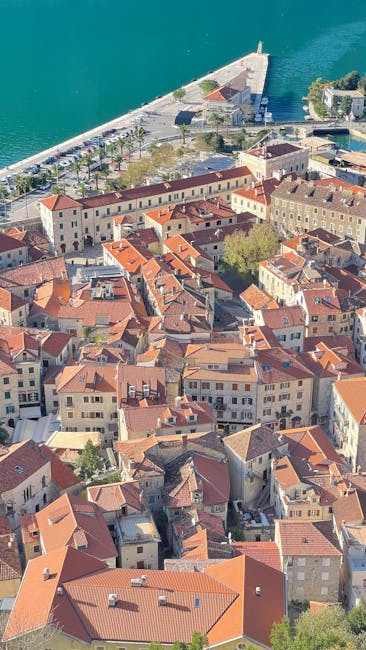
Montenegro charms visitors with its rugged coastline, peaceful bays, mountainous national parks and medieval villages. Renting a car here gives you the freedom to reach remote spots like the Tara Canyon, Kotor Bay, the coastal road between Budva and Petrovac, or the Durmitor plateaus around Žabljak at your own pace. Unlike fixed tours, a car lets you stop for viewpoints, photograph villages like Perast, or change plans depending on the weather and crowds. In this complete guide we cover administrative steps, essential insurance, the driving licence you need, plus addresses, opening hours and price examples to plan your rental.
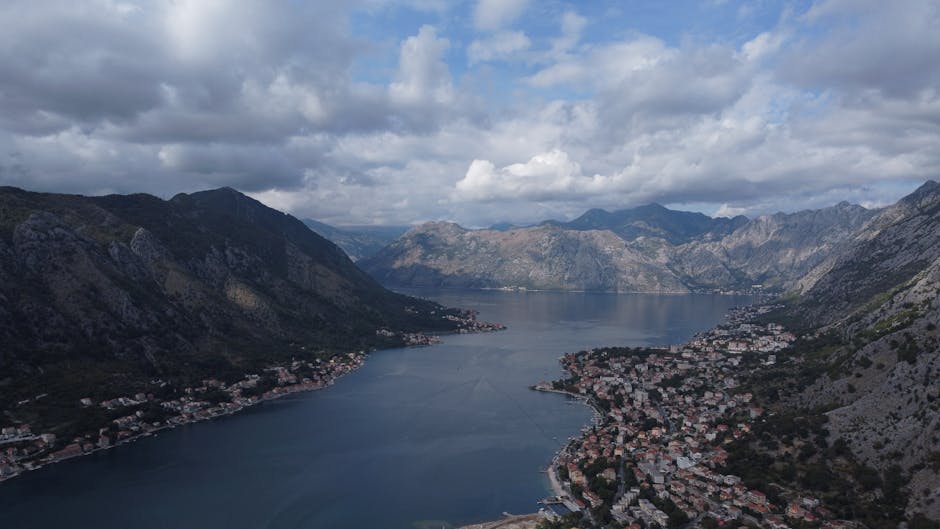
Before you decide to rent, it’s important to understand Montenegro’s road network: from new motorways around Podgorica and tunnel links to the narrow mountain roads in the north. Distances may look short on a map, but topography slows journeys. For example, Podgorica → Žabljak (Durmitor) is about 150 km but takes 3–4 hours if you drive carefully. The best time to rent is May–September for the coast and June–September for mountain areas. Off-season prices fall, but weather and some services (fuel stations, garages) may be less reliable.
This guide is aimed at independent travelers staying a week as well as families or couples on a road trip. We cover:
– Where to rent: airports, bus stations, city agencies — full addresses and opening hours.
– Costs and deposit: typical daily rates in euros, common extra fees.
– Insurance: which protections are essential (CDW, TP, Super CDW, SCDW, PAI).
– Driving in Montenegro: speed limits, local rules, tolls, parking, hazards and winter conditions.
– Practical tips for vehicle condition, filing claims and fuel stations.
Each section gives exact addresses (agencies and pick-up points), realistic opening hours, price examples in euros and immersive descriptions so you can travel with confidence. We use full names of businesses and locations — for example « Tivat Airport (Aerodrom Tivat), 85320 Tivat, Montenegro » — so you can easily find them on maps or enter them into your GPS. Expect local recommendations (reliable fuel stations, garages for breakdowns, tips to avoid common fines) and a pick-up/drop-off checklist.
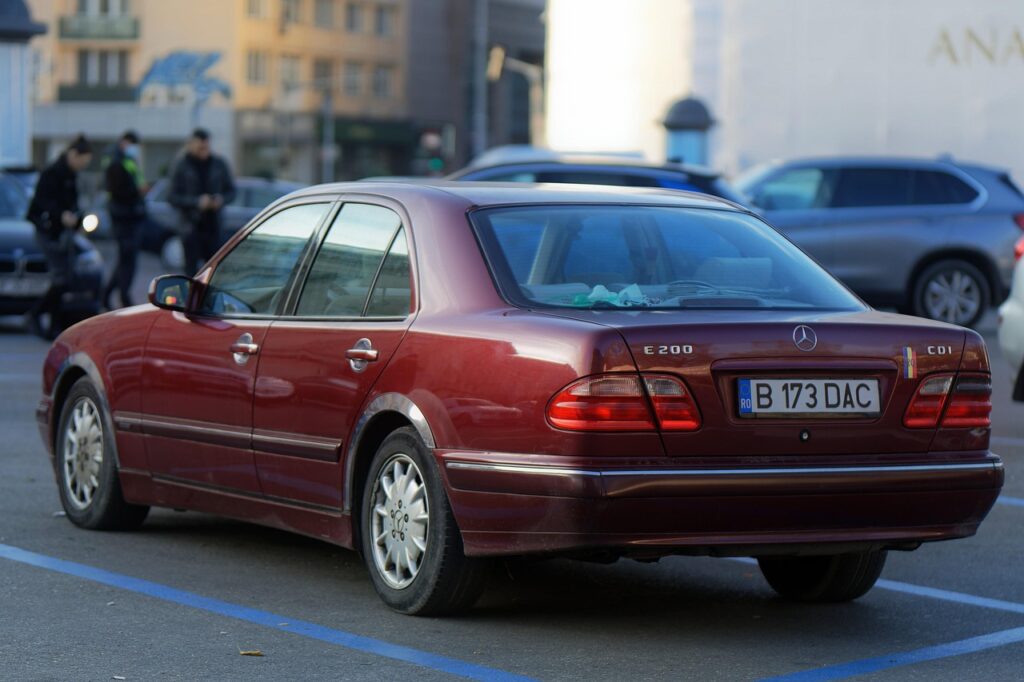
1) Where and how to rent: recommended airports, towns and agencies
In Montenegro, the most convenient pick-up locations are Tivat Airport (Aerodrom Tivat), Podgorica Airport (Aerodrom Podgorica — Golubovci) and agencies in tourist towns like Budva and Kotor. International companies (Sixt, Avis, Europcar) operate alongside reputable local firms (Rent-A-Car Montenegro / Auto Montenegro). Below are addresses, opening hours and practical details to organize your pick-up.
-
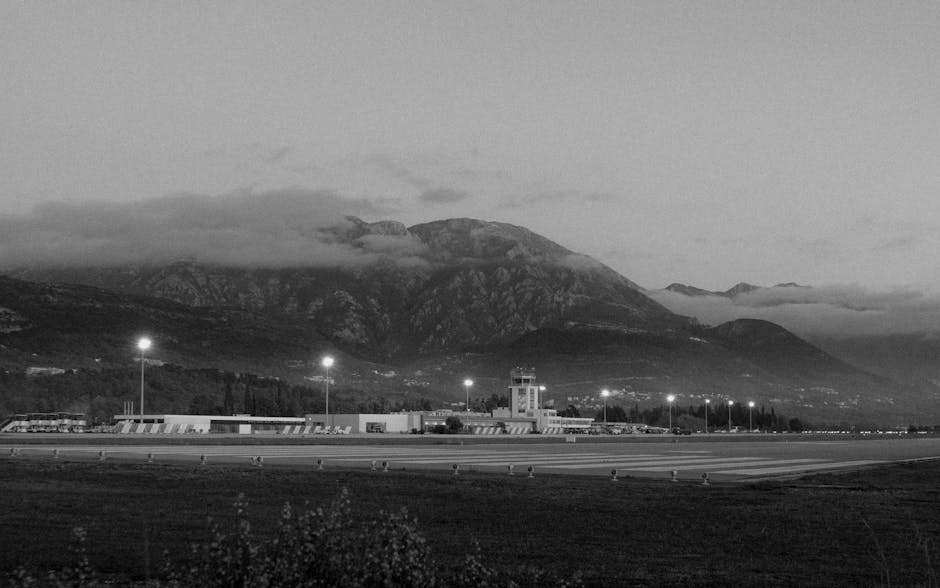
Tivat Airport (Aerodrom Tivat)
Address: Aerodrom Tivat, 85320 Tivat, Montenegro.
Agencies present: Sixt Rent a Car (desk inside the terminal), Local Rent a Car Montenegro (meeting point at the exit).
Hours: most desks are open 24/7 during high season; off-season check your booking confirmation (typically 08:00–22:00).
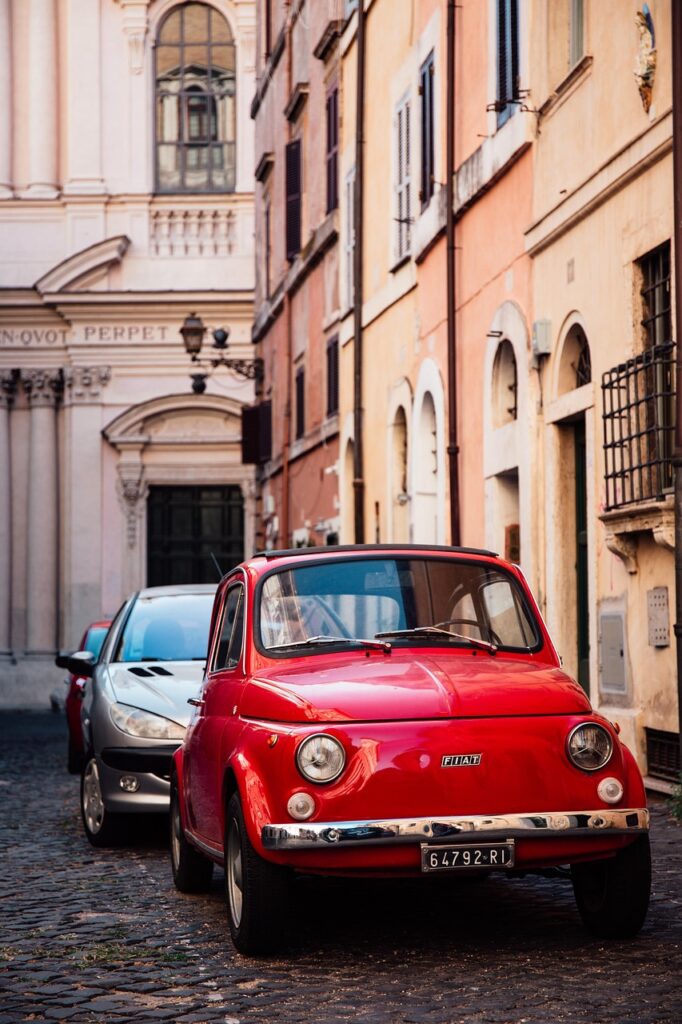
Indicative prices: city car (Fiat 500 / similar) from €28–40/day in low season, €45–70/day in high season; SUV (Dacia Duster / similar) €50–90/day. Deposit: €300–800 depending on category.
-
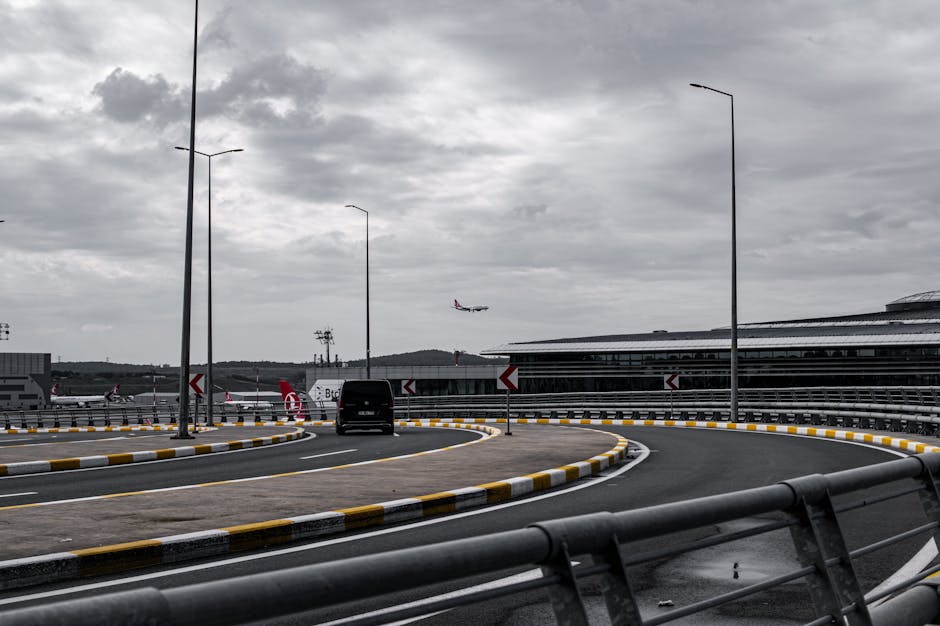
Podgorica Airport (Golubovci)
Address: Aerodrom Podgorica, Golubovci, 81211 Podgorica, Montenegro.
Agencies present: Avis Car Rental (desk open 24/7), Europcar (opening times vary), local agencies (Auto Montenegro, Rent a Car Montenegro).
Hours: international flight counters 24/7; city offices typically 08:00–20:00.
Indicative prices: city car €25–45/day, compact €35–60/day; deposit €250–700.
-
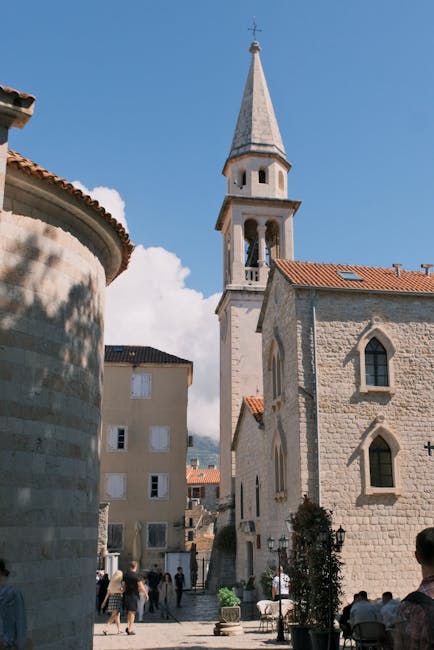
Budva — city centre
Example agency: Europcar Budva, Trg Republike 11, 85310 Budva, Montenegro (main office, near the old town).
Hours: 08:00–20:00 (high season), 09:00–17:00 (low season).
Indicative prices: from €30/day for a compact; daily and weekly rentals (weekly rates usually cheaper). After-hours return: possible by arrangement with a €20–50 fee.
-
Kotor — local agency
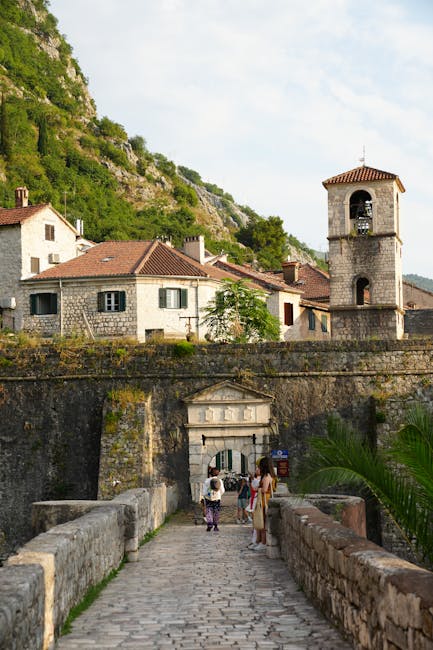
Example agency: Rent a Car Kotor, Ul. 11. Oktobra 5, 85330 Kotor, Montenegro (near the main gate of the old town).
Hours: 09:00–19:00 in season; occasional closures in winter. Keys and check-in often handled at the office or central parking; delivery to your hotel may be available.
Prices: city car €30–50/day, add-ons (GPS €5–8/day, baby seat €6–10/day).
Practical tip: book in advance (at least 2–4 weeks in high season) to secure better rates and the vehicle category you want. Compare offers on aggregators (Rentalcars, DiscoverCars) but always read the terms: unlimited mileage, fuel policy (full-to-full recommended), young driver fees, cross-border fees (for example to enter Albania or Croatia — ask for written permission from the agency).
2) Driving licence: who can drive and what formalities apply?
A driving licence is essential and rules vary by country of issue. Holders of a licence issued by an EU/EEA country can drive in Montenegro without an international permit, provided the licence is valid. For non-EU/EEA licences, the International Driving Permit (IDP) is strongly recommended and sometimes required by rental agencies. Here are the practical rules and steps.

European licences:
– Accepted: valid national driving licences (category B). No legal requirement for an international licence, but some agencies may contractually request it: carry a paper copy and a translation if your licence isn’t in Latin characters.
– Documents to present: driving licence, ID/passport, credit card in the main driver’s name for the deposit.
Non‑EU licences (e.g. USA, Canada, Australia, Japan):
– Recommended: obtain an IDP before departure. The IDP translates your national licence into several languages and eases communication with police and agencies.
– To present: national licence + IDP + passport. Without an IDP, some local agencies will accept your national licence but you risk refusals during roadside checks.
Young drivers and age requirements:
– Minimum age: most agencies require a minimum of 21. For certain categories (SUVs, premium cars) minimum age is often 23–25.
– Young driver surcharge: commonly €10–25/day for drivers aged 21–24.
– Driving experience: some agencies require at least one or two years since licence issuance.
Practical notes on the IDP:
– An IDP is issued by the competent organisations in your home country (e.g. motoring clubs; in some countries via government services). Typical cost: €15–30 depending on country; turnaround: immediate or a few days if applied online.
– When crossing borders (Croatia, Albania, Bosnia-Herzegovina), tell the agency: an international licence and written permission may be required, with extra fees of €30–100.
3) Insurance and protection: decode the terms to avoid nasty surprises
Insurance is the most technical and critical part of any rental. Contracts are often in English and include several options: CDW (Collision Damage Waiver), TP (Theft Protection), Super CDW (reduces the excess), PAI (Personal Accident Insurance), and cover for tyres and windscreen. Knowing what’s included and what isn’t will save you from large repair bills.

Main protections and what they do:
– CDW (Collision Damage Waiver): reduces your financial liability for damage to the vehicle. Without CDW you could be charged the full repair cost (several thousand euros). With standard CDW the excess can still be high: typically €600–1500. Extra cost: €8–20/day to lower the excess.
– Super CDW / SCDW: reduces the excess to a very low amount (€0–200) or even €0. Cost: €10–30/day depending on agency and car class.
– TP (Theft Protection): covers vehicle theft; often included but usually with an excess. Check if theft of personal items inside the car is covered (usually not).
– PAI (Personal Accident Insurance): compensates for bodily injury to driver and passengers. Cost: €3–6/day. Consider it if you’re not covered by personal travel insurance.
– Tyre, windscreen, underside cover: often excluded from standard CDW. Replacing a windscreen can cost €200–600. These extensions typically cost €5–15/day.
Deposit and card block:
– Deposit: hold on a credit card at pick-up. Typical amounts: €250–800 for a standard car; up to €1500 for higher categories. If you pay with a debit card, some agencies require additional insurance or cash.
– Tip: use a credit card for the deposit (debit cards may be refused), and take dated photos of the car condition.
Comparing credit card insurance vs. agency insurance:
– Many premium Visa/Mastercard cards offer collision coverage if you pay for the rental with the card. Read the fine print: some issuers exclude certain countries or do not cover excess. Keep proof of payment. If your card covers CDW but not windscreen, consider adding that extension.
Example costs (indicative):
– Standard CDW included: €0/day but excess €600.
– Super CDW: +€12/day → excess €0–150.
– Windscreen/tyre protection: +€7/day.
– PAI: +€4/day.
4) Driving in Montenegro: rules, safety and local quirks
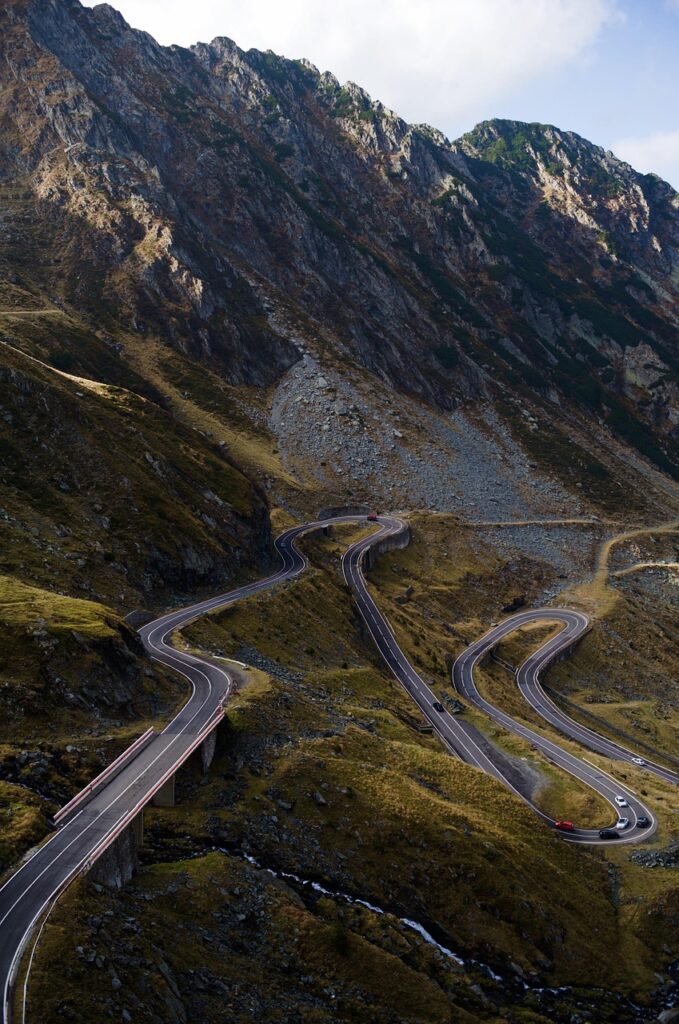
Driving in Montenegro is a mix of pleasure and caution: there are spectacular roads but they can be narrow, infrastructure varies and mountain weather changes rapidly. Here are the essentials to stay safe and avoid fines.
Basic rules and speed limits:
– Seat belts: mandatory for all passengers (fine €30–100 if not worn).
– Speed limits: urban areas 50 km/h, secondary roads 80 km/h, motorways 100–120 km/h depending on the section (check signage). There are fixed speed cameras; obey limits. Fines vary €40–200 depending on severity.
– Drink‑driving: maximum blood alcohol 0.03% (very low). In practice, zero tolerance is advised; checks are common near nightlife spots.
Local specifics:
– Tunnels and mountain bends: headlights may be mandatory in some tunnels during the day; drive carefully at night. Northern routes (towards Žabljak) may be closed in winter without chains.
– Parking: paid blue zones in Budva, Kotor and Podgorica. Examples: Budva centre (Plaza Parking, Trg Sava Ilica) — €1–2/hour in high season; Kotor old town — limited parking, use PR Kotor day parking, Address: Obala 327, 85330 Kotor, open 08:00–22:00, approx €1/hour.
– Tolls: there is no nationwide toll network, but some tunnels/bridges may charge local fees; check before you travel.
Assistance and breakdowns:
– European emergency number: 112. Roadside assistance available via the agency or private services such as SOS Auto (local number given by your rental company).
– Fuel stations: major chains (Shell, Nestro, OMV) are found along the coast and near cities. In mountain areas some stations close early (17:00–19:00); fill up before entering rural zones.
Night driving and lighting:
– Avoid night driving on secondary roads due to lack of streetlights and roaming animals. If possible, plan long drives during daylight.
Local tips:
– Park carefully in historic villages: streets are narrow and sidewalks are sometimes used for parking. Locals are often patient, but illegally parked cars risk fines and towing.
– In high season, arrive early at parking lots for popular sites (Kotor, Budva, Durmitor National Park) to avoid full lots.
5) Pick‑up and drop‑off: checklist, inspections and disputes
Pick-up and drop-off can be times when travelers feel vulnerable. Good preparation and photographic evidence protect you from unexpected charges. Here’s a detailed checklist, what to verify and how to handle disagreements with the agency.
At pick-up:
– Documents: printed rental contract, driving licence, ID/passport, credit card used for deposit, booking confirmation, and IDP if applicable.
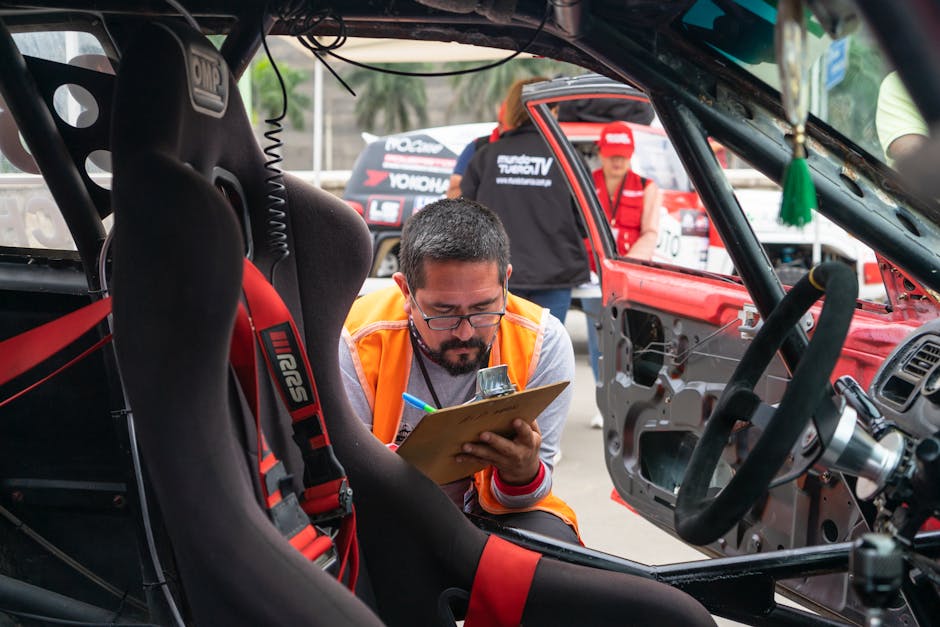
– Inspection: examine the vehicle thoroughly (bodywork, bumpers, doors, tyres, windscreen, lights, controls). Take dated, geotagged photos or videos of every side of the vehicle (front, rear, interior). Have the agent note and sign any pre-existing damage on the damage report to avoid being charged later.
– Fuel level: confirm the fuel policy (full-to-full recommended). If you pick up full and return less, the company will charge fuel at local rates plus service (e.g. fuel €1.70/L + €10–20 service). Return full where possible.
– Extras: GPS, additional driver (typical €3–10/day), child seat (€6–12/day), chains or winter tyres (seasonal). Ensure extras are listed on the contract.
At drop-off:
– After-hours returns: often possible but usually require photo reporting and dropping keys in a secure box; keep the receipt/confirmation. Night fees: generally €20–50.
– Final check: request a handover receipt signed by the agent confirming condition and fuel level. If you later spot a dispute, contest immediately by e-mail with your photos and the initial inspection report.
In case of an accident:
– Secure people and call emergency services if needed (112). Complete an accident report if possible. Photograph the damage, the scene and other vehicle plates. Notify the agency and the police if required (police may file a report depending on severity).
Disputes and claims:
– If an agency tries to charge for unreported damages: demand a workshop report and invoices. Contact your insurer (credit card / travel insurance). Keep all written communications (emails) and photo evidence.
6) Budget, prices and money‑saving tips
The total cost of a rental goes well beyond the headline rate: taxes, insurance, delivery/return fees, young driver surcharges, GPS and fuel add up. Here’s a typical breakdown and tips to optimize your budget.

Typical rates (indicative values in euros):
– City car (Fiat 500 / Volkswagen Up): €25–45/day; week: €150–300.
– Compact (Volkswagen Polo / Toyota Yaris): €30–60/day; week: €180–360.
– SUV (Dacia Duster / Nissan Qashqai): €50–90/day; week: €350–600.
– Minivan / 7‑seat: €70–120/day.
Common additional fees:
– Deposit hold: €250–800 depending on category.
– Super CDW: €10–25/day.
– GPS: €5–8/day (better to use your smartphone with a local SIM/map).
– Additional driver: €3–10/day.
– Delivery/pick-up at a hotel: €10–50 depending on distance and hour.
Money‑saving tips:
– Book early: prices spike in July–August. Booking 6–8 weeks ahead often saves 10–30%.
– Compare and read inclusions: favor deals with unlimited mileage unless your route is limited.
– Use a credit card that provides CDW coverage if available, but read exclusions (tyres, windscreen, off‑road). Keep proof of payment.
– Rent for a week: weekly rates are often cheaper than daily rates multiplied by days.
– Skip unnecessary extras: use a phone mount instead of renting a GPS; bring your own child seat if possible (respect child transport laws).
Conclusion — Travel with peace of mind: final checklist and practical recommendations
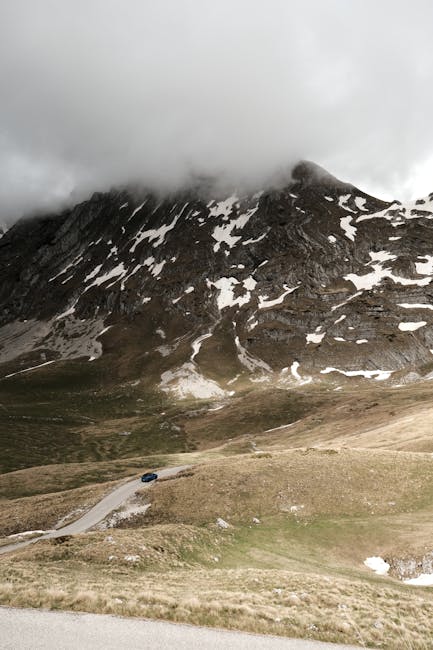
Renting a car in Montenegro is a fantastic way to explore the country’s variety, from the fjord-like Kotor Bay to the peaks of Durmitor. To travel with peace of mind follow these recommendations: book ahead, choose the right insurance, keep a credit card for the deposit, and document the vehicle condition at pick-up and drop-off. Key pick-up addresses to remember are Tivat Airport (Aerodrom Tivat, 85320 Tivat), Podgorica Airport (Aerodrom Podgorica, Golubovci, 81211 Podgorica), and city offices like Europcar Budva (Trg Republike 11, 85310 Budva) and Rent a Car Kotor (Ul. 11. Oktobra 5, 85330 Kotor). Always check opening hours: airport desks often run 24/7 in high season while city agencies usually operate 08:00–20:00.
Before you go: have your driving licence (and an IDP if you are not an EU national), your printed contract, the credit card for the deposit, and insurance that at minimum covers collision and theft. During the trip: drive carefully, obey limits, avoid night driving in mountain areas and fill up at main stations before entering rural zones. In case of an incident call 112 and notify the agency immediately. Keep all supporting documents (photos, reports, invoices) for disputes.
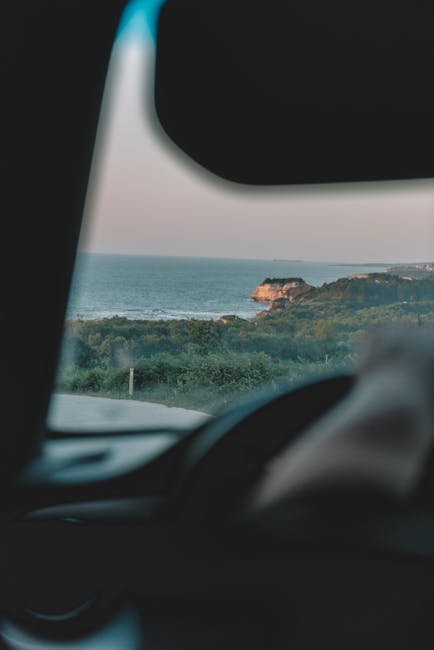
If you follow the steps in this guide — understand insurance, check the contract, document the vehicle, and respect local rules — your rental experience in Montenegro should be largely positive. This small country offers stunning panoramas and roads made for exploring: well prepared, you’ll leave with unforgettable memories and no administrative headaches.