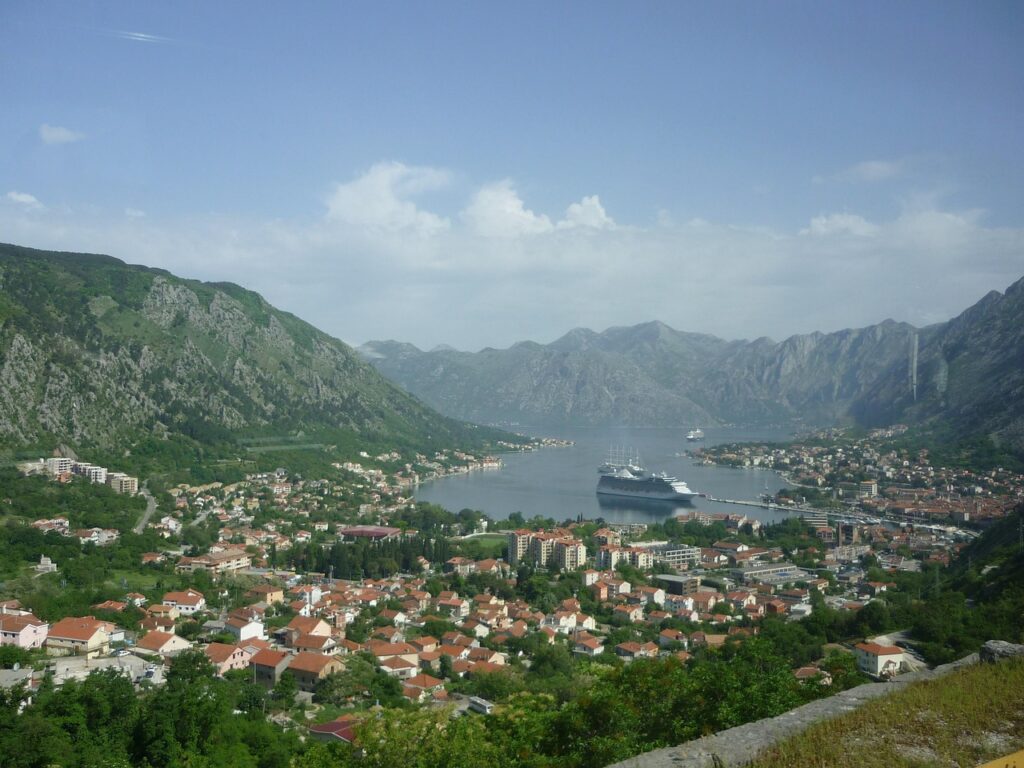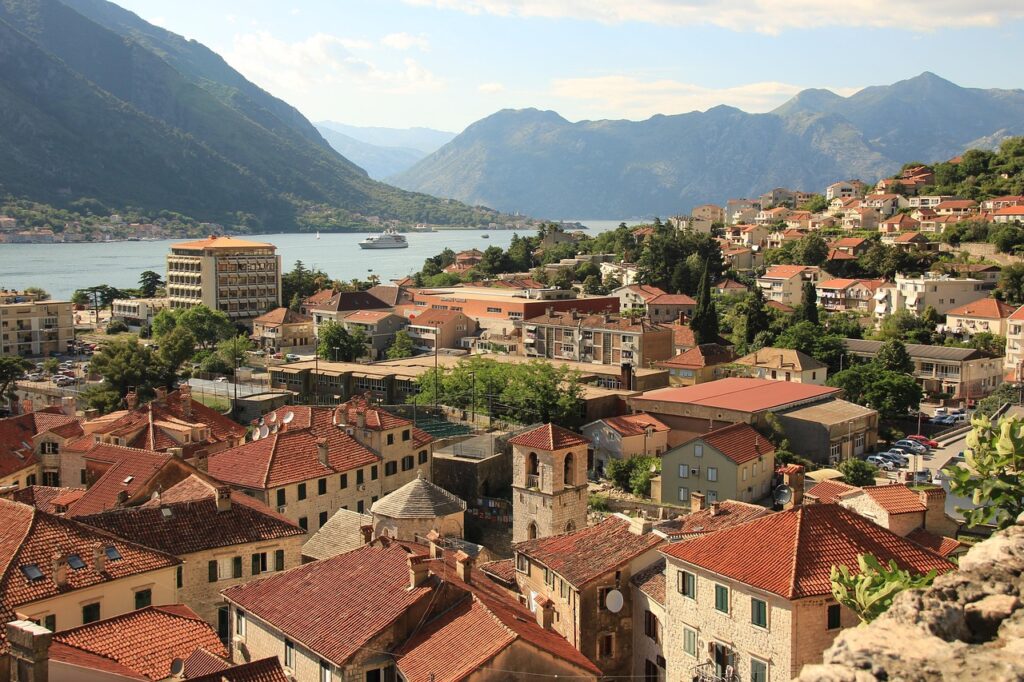






Introduction — Against the Current: rethinking Montenegrin festivals between modernity and folklore
Montenegro, a country of jagged coastlines, steep mountains and villages where history is written in every stone, offers a fascinating cultural paradox: on one side, traditional celebrations rooted in centuries of rural and religious practice; on the other, an urban, tourism-driven youth reinventing hybrid events — electro parties, pop-up food happenings and international festivals. Reappraising Montenegrin festivals means swimming against a current that simultaneously looks back to the past and forward to a future many consider inevitable. This article presents a clear, objective comparison between two options: the “classic” folk celebration (Option B) — parades, costumes, the gusle and religious processions — and the “modern” festival (Option A) — music festivals, pop-up gastronomy, yacht parties and contemporary urban art installations.
We won’t only cover aesthetics or emotion: you’ll find precise addresses (museums, squares, meeting points), indicative times, prices in euros, immersive descriptions and local tips to experience these events up close. This guide is aimed at different traveler profiles — the slow traveler seeking authenticity, the young partygoer chasing novelty and comfort, families wanting safe, manageable events, and the culturally minded visitor looking to combine tradition and accessibility.
The modernity vs folklore juxtaposition isn’t a black-and-white fight. In towns like Kotor (Kotor, Trg od Oružja 1), Budva (Stari Grad, Budva), Cetinje (Njegoševa 1, 81310 Cetinje) or Podgorica (Trg Republike, 81000 Podgorica), festivals overlap and sometimes meet. The KotorArt Festival, for example, stages classical concerts inside medieval churches while the Budva Summer Festival draws DJs and PLF events (private luxury fêtes) to Riviera clubs. This article evaluates, using objective criteria (price, duration, comfort, practicality), which option best suits which needs and which traveler profile comes out ahead.
I offer concrete benchmarks: where to buy tickets, what it might cost, how to sleep, how to get between venues, and how to behave to respect local traditions while enjoying new experiences. You’ll also find a clear comparison table, a verdict by traveler type and a set of practical recommendations to plan your trip — whether you want to dance by Kotor Bay to a DJ set or follow a centuries-old procession in Cetinje. Let’s do this without excessive nostalgia and without techno-phobia: let’s coldly assess what each option brings to visitors and the local community.
Option A — Modernity: festivals, pop-ups and coastal parties
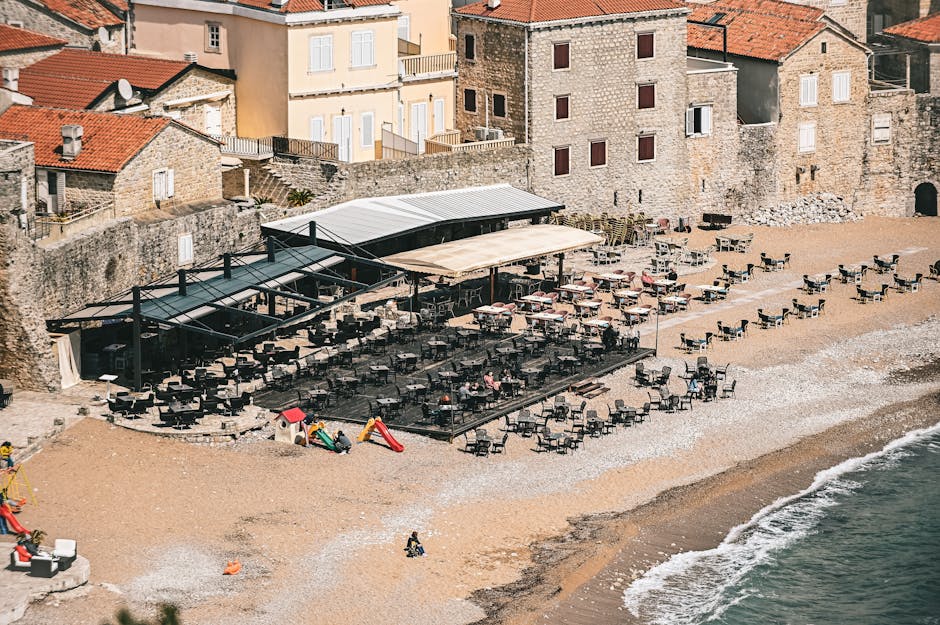
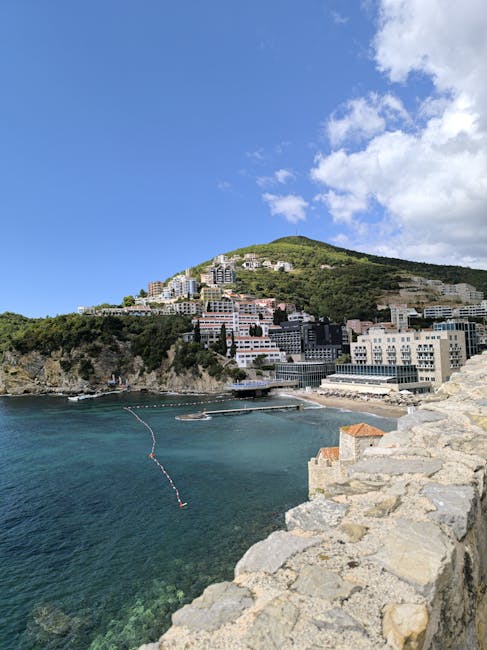
Modernity in Montenegro shows up most strongly along the Adriatic coast, from Herceg Novi to Ulcinj, passing through Budva and Kotor. Modern events are often ticketed, well-structured, heavily marketed and aimed at an international crowd. Concrete example: the Budva Summer Festival (Stari Grad, Budva, 85310) offers open-air concerts, DJ nights and seaside film screenings. Ticket prices vary with the headliner: a local act might be €10–20, an international night €30–60; private after-parties in exclusive clubs can rise to €40–100 with drinks included or more.
Times and venues: most modern events kick off in the early evening (18:00–20:00 for market areas), with concerts and festivities running until 02:00–04:00. Clubs like Carpe Diem Beach (Mogren beach, Budva, Jadranski put bb, 85310 Budva) typically open 20:00–04:00; special events tend to start at 22:00. For major stages, schedules are printed on tickets and official pages. Modern setups usually include paid parking, VIP areas and electronic ticketing (card payments accepted).
Comfort: modern accommodation options include 4–5 star hotels (e.g. Hotel Splendid Conference & Spa, Slovenska obala bb, 85310 Becici — rates €120–300/night depending on season), high-end Airbnb apartments (€80–250/night). Services like air conditioning, transfers and private security make the experience more comfortable and predictable than sometimes improvised folk celebrations.
Practical accessibility: it’s easy to buy tickets online (official sites, Tiqets), book taxis or local ride-hailing services, or take event shuttles. Modern events invest in English signage and information stands. For travel between Budva and Kotor, expect €20–30 by taxi (30–45 minutes) or €3–7 by local bus (Budva–Kotor route, higher frequency in summer).
Concrete examples: Electric-Castle-like parties on Bar’s waterfront (Trg Vladimira Nazora, 85000 Bar) program electronic and lounge acts with tickets €25–70; yacht parties leaving from Marina Porto Montenegro (Setaliste bb, 85310 Tivat) sell spots from €60 for 3–4 hours, drinks included depending on the package. Local tip: book at least two weeks ahead during high season (July–August) and have an international bank card ready for deposits and VIP packages.
Option B — Folklore: processions, kolo, tradition and village festivals
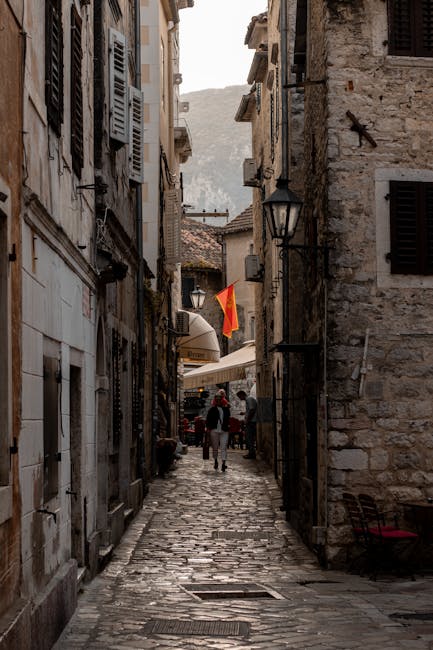
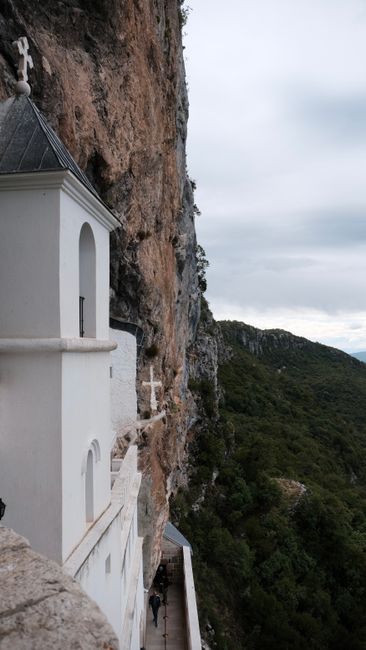
Montenegrin folklore is rooted in Orthodoxy, village rites and historical commemorations. We’re talking about celebrations like Õjkanje and the kolo (circle dances), living nativity scenes in Cetinje, patron saint days (slava), and pilgrimages (the Virgin Mary celebrations at Ostrog, Ostrog Monastery, Ostrog 81218). These events are often free (or donation-based) but require time, patience and respect.
Addresses and typical times: Ostrog Monastery (Ostrog Monastery, Ostrog 81218 Bogetići) is open daily, sanctuary hours 05:00–20:00; the big procession on May 22 (date varies with the liturgical calendar) draws thousands of pilgrims. In Cetinje, the State Cultural Festival usually takes place along Njegoševa Street (Njegoševa 1, 81310 Cetinje) and around the National Museum of Montenegro (Trg revolucije 2, 81310 Cetinje), with exhibit hours typically 09:00–17:00 and evening events depending on local programming.
Price and duration: most folk celebrations are free; museums charge modest fees — National Museum of Montenegro: €4–8 entrance (adults €8, student reductions around €4), Maritime Museum of Kotor (Trg od Oružja 3, 85330 Kotor) €3–6 depending on the exhibition. Duration: processions can last several hours and a village feast can start in the morning and stretch late into the night (patron saint days with communal meals).
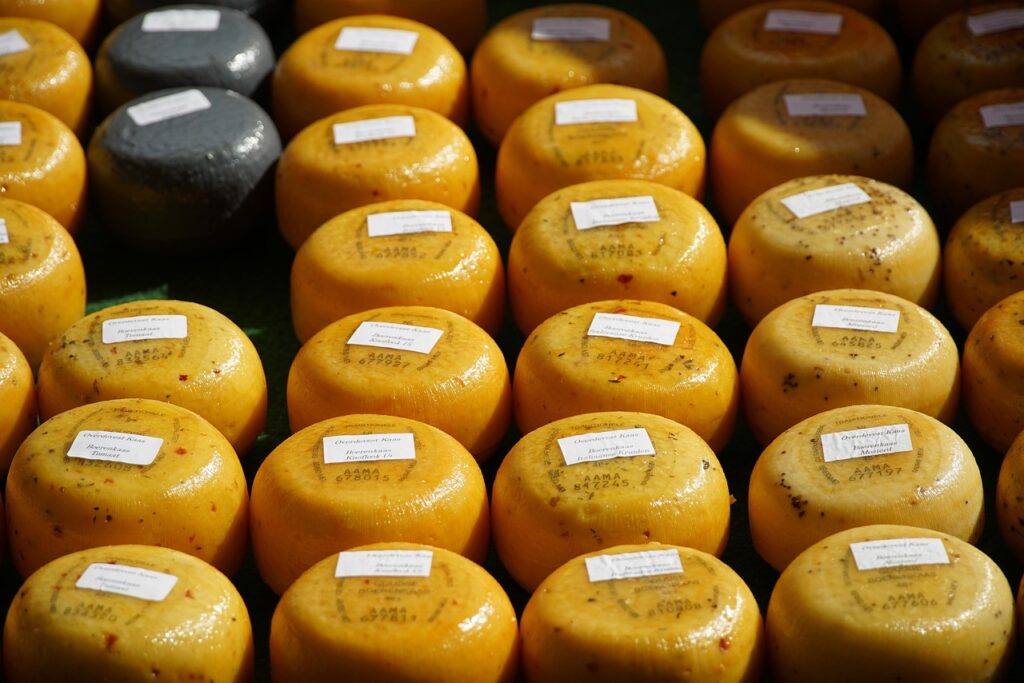
Comfort and practicality: comfort here is rustic. Typical lodgings include konaks (guest houses) and small B&Bs like Casa del Mare (located in coastal villages) or « Njeguši guesthouse » in Njeguši (Njeguši, Cetinje municipality), rates €25–70/night. Sanitary facilities can be basic and mountain roads narrow. But the experience is immersive: stone-oven bread, Njeguši cheese and the sound of the gusle create strong sensory memories.
Local advice: respect religious codes (cover shoulders in churches, be discreet during services), bring cash for donations, be ready to walk and keep a flexible schedule (timings are often fluid). For Ostrog, ascending on foot or by minibus (local shuttles €4–8 from Nikšić or Podgorica depending on the departure point) is the traditional option; allow extra time for the return — roads can get congested after major events.
Structured comparison and table
Here’s a comparative summary based on the requested criteria — price, duration, comfort, practicality — followed by an HTML table for quick reading. The idea is to help you choose based on budget constraints, mobility, noise tolerance and desire for authenticity.
| Criterion | Option A | Option B |
|---|---|---|
| Price | X€ | Y€ |
| Duration | Short nights (3–6 hours) to multi-day events | Whole days to multi-day ritual events |
| Comfort | High (4–5* hotels, services, modern sanitation) | Variable (konaks, rural roads, sometimes rudimentary) |
| Practicality | Very practical (online ticketing, organized transport) | Less practical (flexible schedules, road access, local info) |
Quick note on the values: “X€” represents the average cost of a modern event (standard entry) which can start at €10 and go beyond €60, while “Y€” represents the typically nil to low cost of folk celebrations (donations, €0–10 for museums or food). For travelers, this means modern options require a firmer budget but offer comfort and predictability; folk options ask for time and tolerance for the unexpected.
Verdict by traveler profile
- Young partygoer / clubber: Option A wins. You prioritize nightlife, international line-ups and VIP services. Recommended budget: plan €60–150/day (ticket, drinks, transport).
- Slow traveler seeking authenticity: Option B wins. Opt for slavas, kolo in villages and mountain hamlets. Recommended budget: €30–60/day (local lodging, communal meals).
- Family with children: Lean toward Option A with moderation; look for daytime modern events, family-friendly seaside festivals and hotels with suitable services. Option B is possible for daytime village celebrations but watch out for sanitary comfort. Verdict: balance A and B depending on kids’ ages.
- Cultural traveler / senior: Option B wins for authenticity and historical depth; Option A can appeal if you want classical concerts (KotorArt) in historic settings — mix both if possible.
Practical tips, recommended itineraries and respectful behavior
Planning: book accommodation early (May–Sept is high season). On the coast, campsites and hotels in Budva, Tivat and Kotor fill up by June. For a folk celebration, staying in Cetinje or Njeguši puts you at the heart of ceremonies: for example, guest-house « Njeguški Konak » (Njeguši, Cetinje municipality) is often contactable by local phone +382 (number varies). For Ostrog, depart from Nikšić (local bus or taxi) early in the morning.
Transport: local bus Podgorica–Kotor ~€6–8; taxi Podgorica–Kotor €50–70; ferry services Bar–Sutjeska vary. Car hire: €30–70/day depending on model and season. For modern events, book a private night transfer (price varies by distance, €20–50). For folk events, bring water, snacks and cash (fewer ATMs in villages).
Respect: at Ostrog and in all churches, wear modest clothing; avoid intrusive filming during rites; ask before taking portraits, especially of elders. Buy local: Njeguši cheeses (approx. €8–15/kg), prosciutto (€20–40/kg) — supporting local artisans is a direct way to help traditions survive.
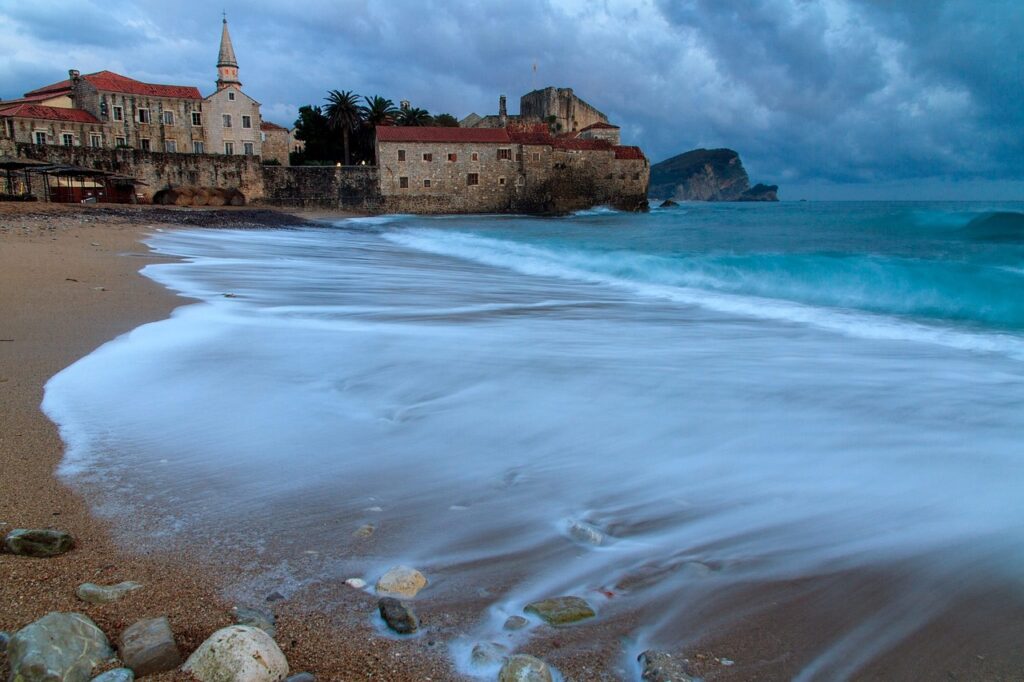
Combining both options: the best approach is often a mix. A 7-day itinerary: 3 days on the coast for modern festivals (Budva, Tivat), 3 days inland for folk celebrations (Cetinje, Njeguši, Ostrog), plus a travel day between Kotor and Cetinje. That way you experience Montenegro’s dual reality without committing to a single mode of celebration.
Conclusion — So who really wins? A nuanced answer
The clash between modernity and folklore in Montenegrin festivals has no universal “winner”: it depends on the traveler. If your priority is comfort, predictability, easy access and spectacular nighttime experiences, modernity (Option A) takes the lead. It offers infrastructure, online ticketing, climate-controlled venues and a cosmopolitan vibe that attracts an international crowd willing to pay for the experience. If, however, you’re after rootedness, communal meaning, traditional music and the smell of country bread, folklore (Option B) is irreplaceable. It will demand patience, flexibility and respect, but will leave you with genuinely Montenegrin memories.
The practical verdict for most visitors? Mix them. A balanced trip lets you attend a modern concert at KotorArt or a DJ night at Porto Montenegro, then two days later follow a procession to Ostrog and share a communal meal in Njeguši. Logistics differ: budget more for the coast and modern events (X€ per concert); allow time for village festivals where exact schedules matter less than the intensity of the moment. Respect local rules, buy local, and adapt your pace: Montenegro’s true asset is its ability to let past and present coexist.
Finally, whatever you choose, here’s a golden rule: approach festivals with curiosity and humility. Montenegrins appreciate visitors who take time to understand and who participate without imposing. Montenegro will then give you the best of both worlds — the shimmering nights of the Adriatic and the ancient songs echoing between the mountains.