




Introduction — Why a 7-day Montenegro itinerary works
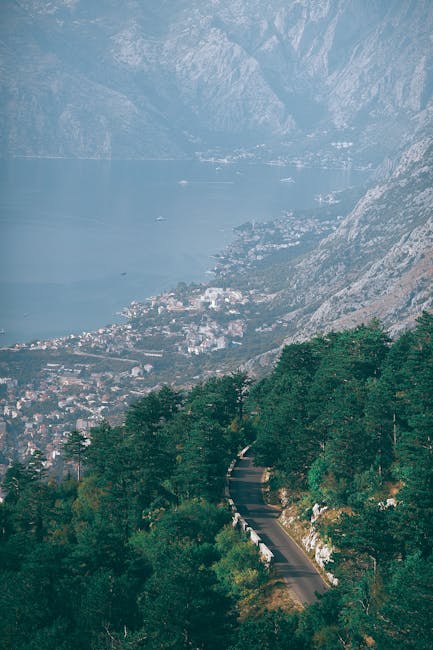
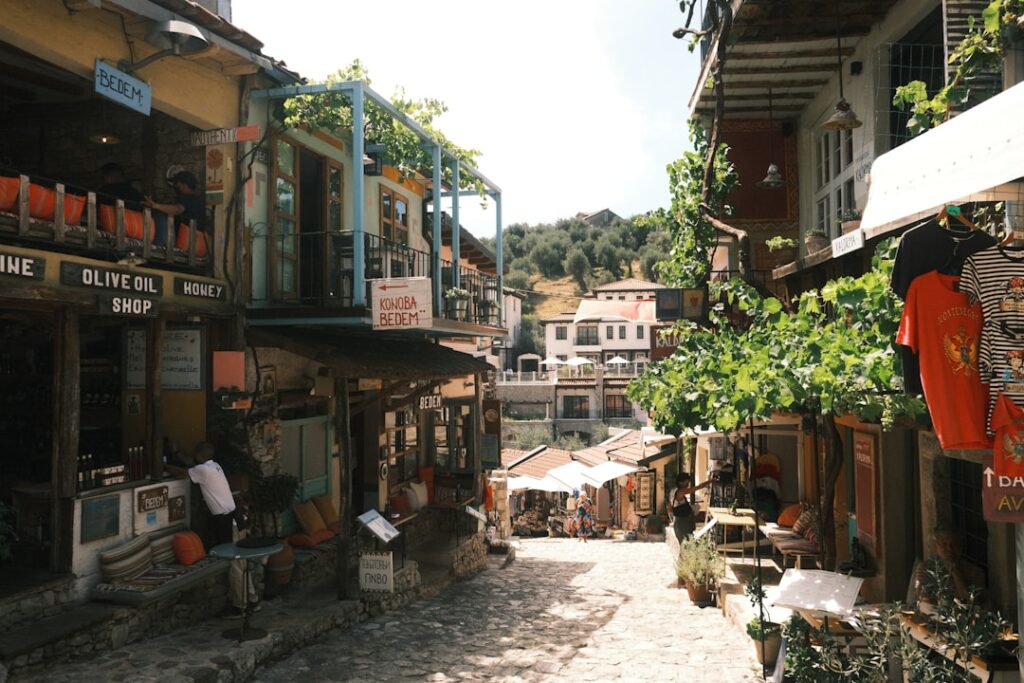
Montenegro, a compact Balkan country tucked between the Adriatic Sea and rugged mountains, packs a lot into a single week: Mediterranean coastlines, dramatic bays, alpine national parks, cliffside monasteries and charming historic villages. A seven-day itinerary by car or bus lets you hit the highlights without rushing, while leaving time for unexpected discoveries and picture-perfect stops. This practical guide lays out a balanced route with exact addresses, opening hours, prices in euros, sightseeing tips and local advice for driving or taking the bus in Montenegro.
A car gives you the freedom to explore mountain roads and remote valleys, adjust your schedule to the light, and pull over at viewpoints that public transport doesn’t serve. Montenegro’s bus network, however, is efficient between major towns and is an affordable, stress-free option if you’d rather not drive. The guide offers options for both travel modes across the seven stages — from airport arrival to onward travel to Croatia or Albania.
You’ll find hotel and restaurant suggestions, parking notes (free or paid), entrance fees and opening hours for main sites. Prices are shown in euros (€) and reflect typical rates; expect slight variation depending on season (high season: July–August). Alongside practical info, I share local tips — where to find the best grilled fish, how to avoid the Kotor crowds, and how to catch sunset views along the coastal road.
The guide also includes bus-friendly alternatives: main lines, bus station locations and approximate durations. For each day I propose a recommended route, must-see stops, photo opportunities and contact details (exact addresses or location descriptions where formal addresses don’t exist). Embedded image markers will help you visualize the stages and plan your photo stops.
Before you start: documents and rules to know. Carry a valid ID or passport, a driving licence (an international permit is recommended if yours isn’t in Latin characters), vehicle insurance that covers Montenegro, and some cash in euros (most places accept cards). Speed limits: 50 km/h in towns, 80–90 km/h outside built-up areas and 100–130 km/h on certain sections — always follow local signage. Fuel is widely available along main routes; prices vary but are generally around €1.60–€1.80/L (2025–2026).
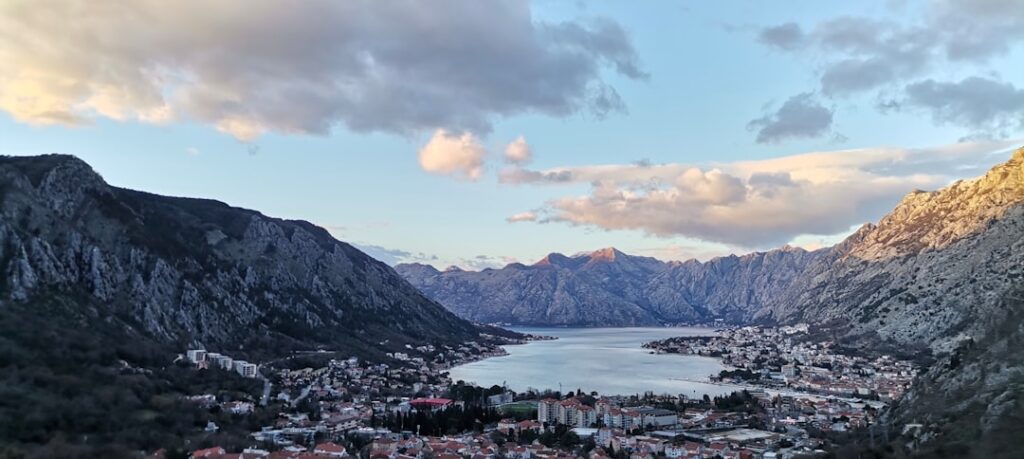
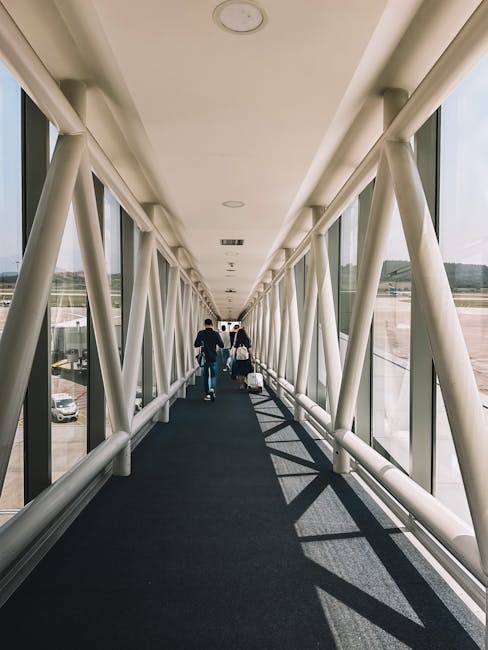
1. Day 1 — Arrive in Podgorica and head to Kotor (or take the bus)
Arrive at Podgorica Airport (Aerodrom Podgorica, Golubovci, 81000 Podgorica, Montenegro). Terminal hours vary with flight schedules. Transfer to Kotor: by car expect about 1h15–1h30 (80–90 km) via the E65/E80 and M-2 — an easy drive with coastal stretches and seasonal traffic. By bus, look for direct Podgorica–Kotor services operated by companies like MonténégroBus or EuroLine; travel time is roughly 1h45–2h and fares are about €4–6 per person. Podgorica bus station: Stanica Autoprevoza Podgorica, Ul. 13. jula bb, 81000 Podgorica. Ticket offices often open roughly 06:00–22:00 depending on season.
In Kotor, stay in or near the old town (Stari Grad, Kotor 85330) or along the bay to enjoy the evening. Parking: the municipal Parking Dobrota (Ravni put bb, Dobrota, Kotor 85330) is paid in high season at about €1–2/hour; many hotels include parking. A first stroll through the old town lanes is the best way to soak up the atmosphere: Trg od Oružja (Place of Arms), the Cathedral of Saint Tryphon (Katedrala Svetog Tripuna, Stari Grad, Kotor 85330 — museum entry roughly €2–3; hours 09:00–18:00). For dinner try Konoba Scala Santa (Stari Grad 113, 85330 Kotor) for traditional Montenegrin dishes: fish from about €10–15, grilled meats €8–12; open typically 12:00–23:00.
Tips: if you arrive late, park on the edge of town and walk into the pedestrian-friendly old town. If driving, check clearance heights for underground parking — some historic streets aren’t suitable for large vehicles. Take a moment at dusk to admire Kotor’s walls; the climb to Fortica (San Giovanni) is free but takes about 20–40 minutes depending on your pace and your starting point in the old town.
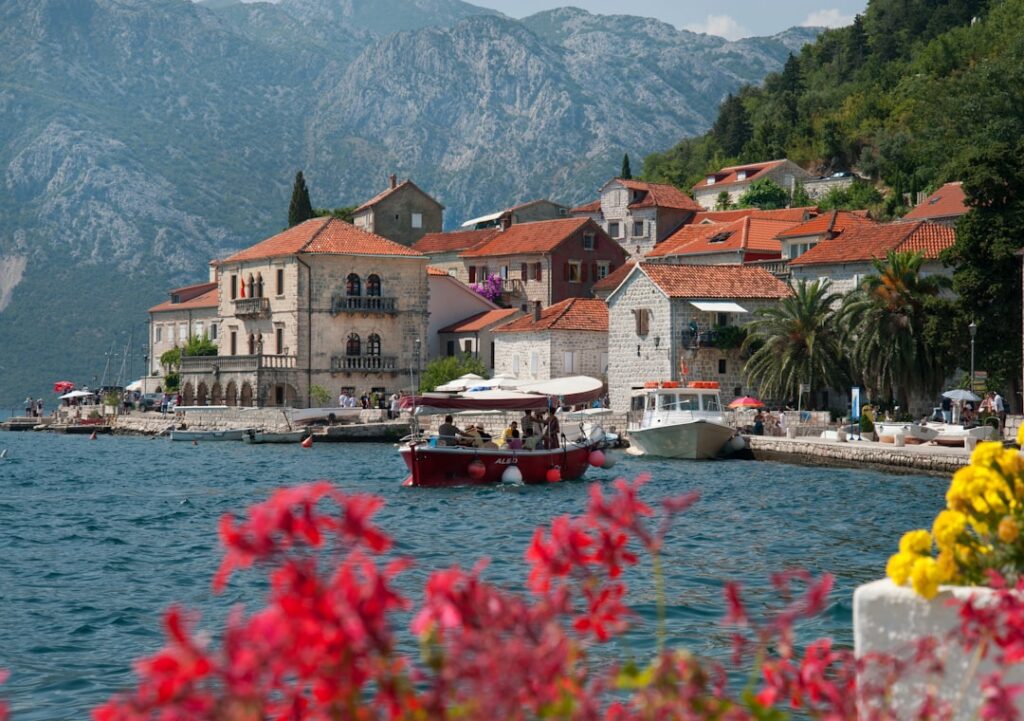
2. Day 2 — Kotor, Perast and the Bay of Kotor (optional boat)
Dedicate the day to the Bay of Kotor, a naturally sheltered, fjord-like inlet. Start with an early visit to Kotor’s old town (Stari Grad, Kotor 85330): the walls, St. Nicholas Church (Crkva Svetog Nikole, Stari Grad — opening times vary with services) and the local market. The Maritime Museum of Kotor (Pomorski muzej, Stari Grad 10, Kotor 85330) charges about €3–5; usual hours 09:00–17:00.
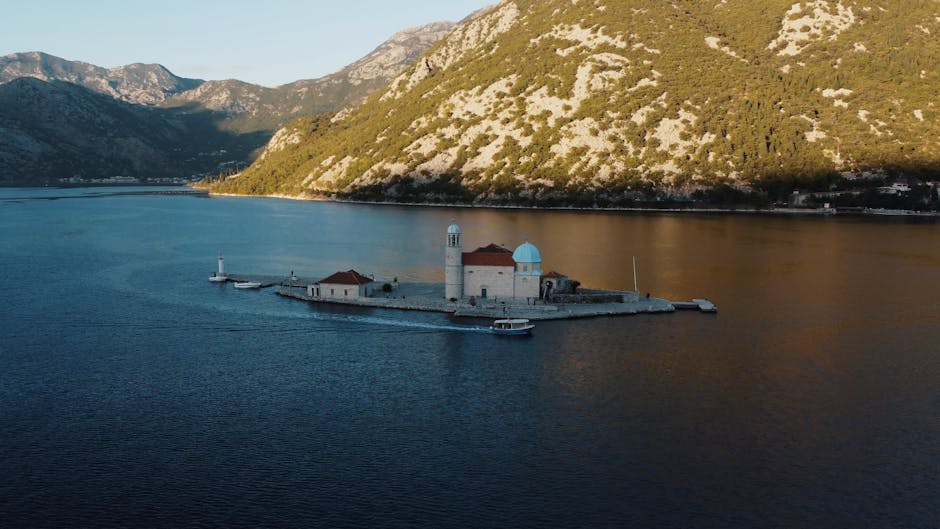
Head to Perast (Perast 85333, Municipality of Kotor), a 15-minute drive (about 12 km) or a short local bus ride (Kotor–Perast: 10–20 minutes, €1–2). Perast is a baroque village famed for two tiny islets off its coast: Our Lady of the Rocks (Gospa od Škrpjela) and Saint George (Sveti Đorđe). Boats to the islets depart from Perast’s main quay (Old Perast Pier, Perast 85333). Round-trip fares to Our Lady of the Rocks are around €6–8 per person, the trip takes ~15 minutes; visiting the chapel has a small fee of about €2–3. Boat schedules typically run 09:00–17:00 in low season and longer in summer.
Recommended lunch: Konoba Ćatović (Perast waterfront, Perast 85333) for grilled seafood (dishes €10–18). In the afternoon, follow the coast towards Herceg Novi or return to Kotor to climb to San Giovanni Fortress (entrance from Stari Grad, Kotor 85330). Go early or late to avoid heat and crowds — the climb takes roughly 1–1.5 hours depending on pace and is free. The viewpoint offers spectacular bay panoramas — perfect for sunset photos.
Local tips: hire a local skipper if you take a boat — they’ll offer photo stops and local stories (often included). Try the local cheese pastry (gibanica) from a bakery in Perast as a tasty snack. If you’re on the bus, check the last return from Perast to Kotor (generally late afternoon in low season). Parking in Perast: a small municipal lot near the waterfront, around €1–2/hour in summer.
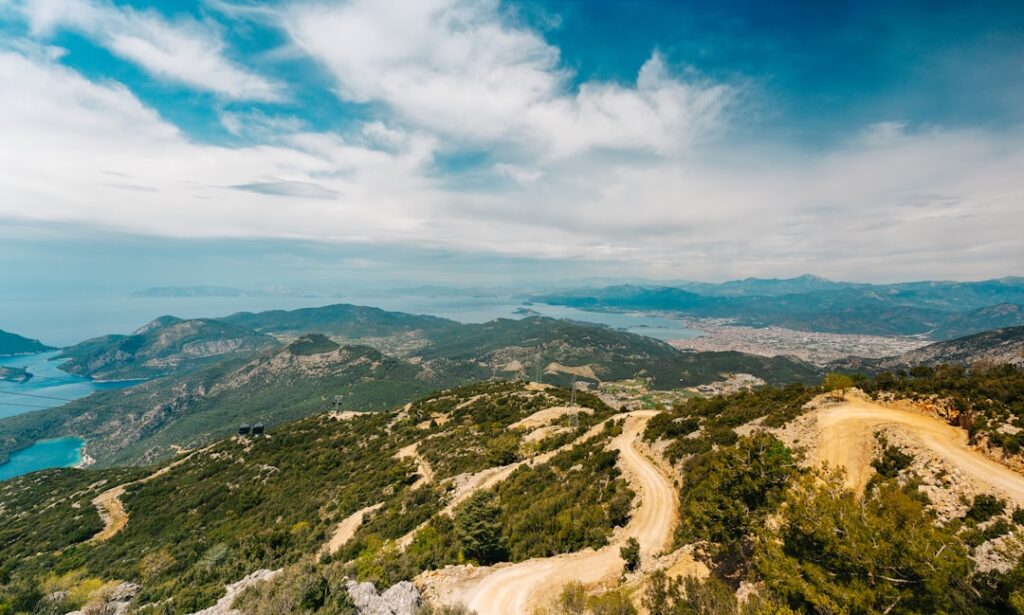
3. Day 3 — Lovćen, Njeguši and Cetinje: mountains and royal history
Leave Kotor for Lovćen National Park (Mausoleum of Njegoš, Cetinje 81210). By car it’s roughly 45–60 minutes (25–35 km) along a twisting mountain road. Buses run Kotor–Cetinje with changes; travel time about 1h15–1h30, fares around €3–6. Stop in Njeguši, a traditional village known for smoked Njeguški pršut (prosciutto) and local cheeses — a great food break. Try Konoba Njeguši (village centre) for local plates (€6–12), or share cured meats for €5–8.
Don’t miss the Njegoš Mausoleum (Mausoleum of Petar II Petrović-Njegoš, Lovćen National Park, Cetinje 81210). Access via Park Lovćen, Lovćen National Park Visitor Center, 81210 Cetinje. Usual hours are around 09:00–18:00 seasonally. Entry for the park plus mausoleum is approximately €3–5 per person (discounts for students and seniors). The road climbs to about 1,500 m with spectacular viewpoints; the final access to the mausoleum involves climbing roughly 461 stone steps from the upper parking area.
Cetinje, the old royal capital (Cetinjski Grad, Cetinje 81210), is worth an afternoon visit: the Cetinje Monastery (Cetinjski Manastir, Njegoševa 6, 81210 Cetinje) is an important spiritual site, generally open 08:00–19:00; entry is free but donations are welcome. The National Museum of Montenegro (Njegoševa 2, 81210 Cetinje) covers national history — entry about €2–4; hours around 10:00–16:00. Wander Trg Republike (Republic Square) and visit historic palaces like King Nikola’s Palace (Trg VJ 1, Cetinje) — museum entry roughly €2–5.
Practical tips: bring warm layers for Lovćen — temperatures drop quickly at altitude. The road is panoramic but twisty: drive carefully, especially through tunnels and tight bends. Pack sunglasses and plenty of water; small shops in Njeguši sell local products and snacks. If you want to hike, the park’s marked trails offer varied views of the bay and inland landscapes.
4. Day 4 — Budva, Sveti Stefan and the Montenegrin Riviera
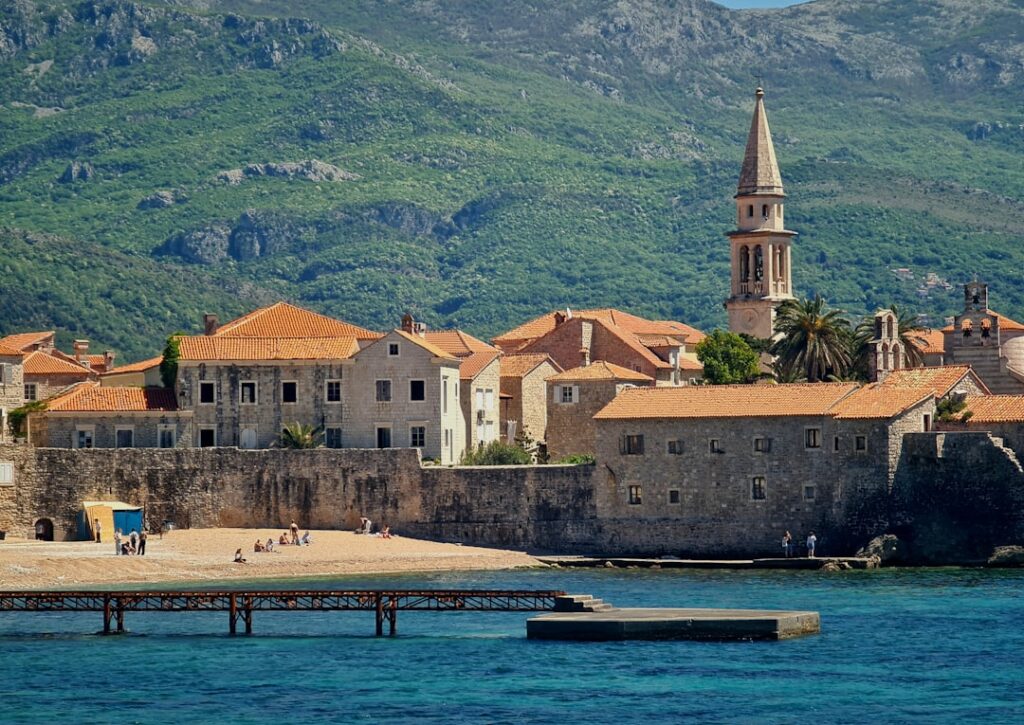
Drive from Cetinje or Kotor to Budva on the Budva Riviera. By car it’s about 30–45 minutes from Kotor (25–35 km) via the E65/E80; buses run frequently between Kotor and Budva (30–40 minutes, €1–3). Budva (Stari grad, Budva 85310) is Montenegro’s liveliest resort town, known for beaches, nightlife and a fortified old town. The old town is walkable from most municipal parking lots: Parking Dukley (Obala 30, Budva) or the large lot by the bus station (Autobuska Stanica Budva, Ul. M. Boškovića, Budva 85310).
Morning: stroll Budva’s old town, visit the Citadel (Citadela, Stari Grad, Budva — entry about €2–4; hours 09:00–19:00) and find small coves for swimming like Mogren Beach and Slovenska Plaza. Lunch at Restaurant Jadran Kod Krsta (Obala bb, Budva) for fresh fish and seafood; dishes €10–20; usually open 10:00–23:00.
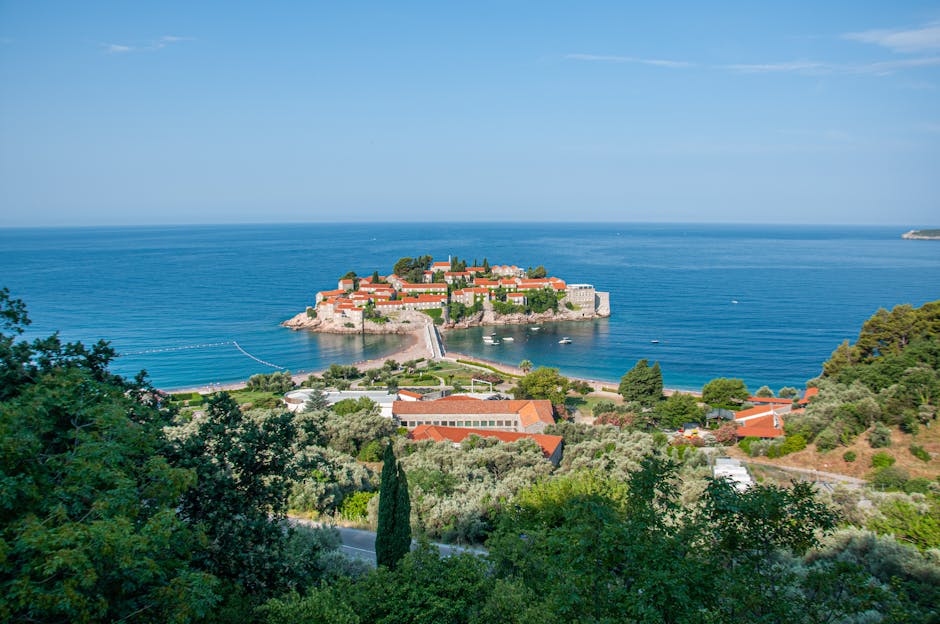
Afternoon: make the short trip to the famous islet-hotel Sveti Stefan (Island of Sveti Stefan, Sveti Stefan, Budva 85310). Location: Sveti Stefan, Municipality of Budva. The island complex is private (managed by Aman Sveti Stefan) but the nearby Miločer public beach and the headland offer excellent views. Parking near Sveti Stefan: Sveti Stefan Parking (approx. Miločer Road, Budva) — about €2–5/day. For the classic photo, stand on the promenade toward Miločer. Access to the island itself is restricted to hotel guests; viewing from the shore is free. Alternatively, take a boat from Budva to the coast and nearby caves (excursions €10–25).
Evening: return to Budva for dinner and nightlife if you like — the town has clubs and bars for all tastes; cover charges in summer can be €10–20 (often with a drink included). Tips: in high season get to beaches early to save a spot, and avoid the Budva–Sveti Stefan road during peak traffic hours. If using buses, check the Budva–Sveti Stefan timetable — last departures tend to be earlier in low season and later in summer.
5. Day 5 — Lake Skadar National Park: nature, birds and a boat cruise
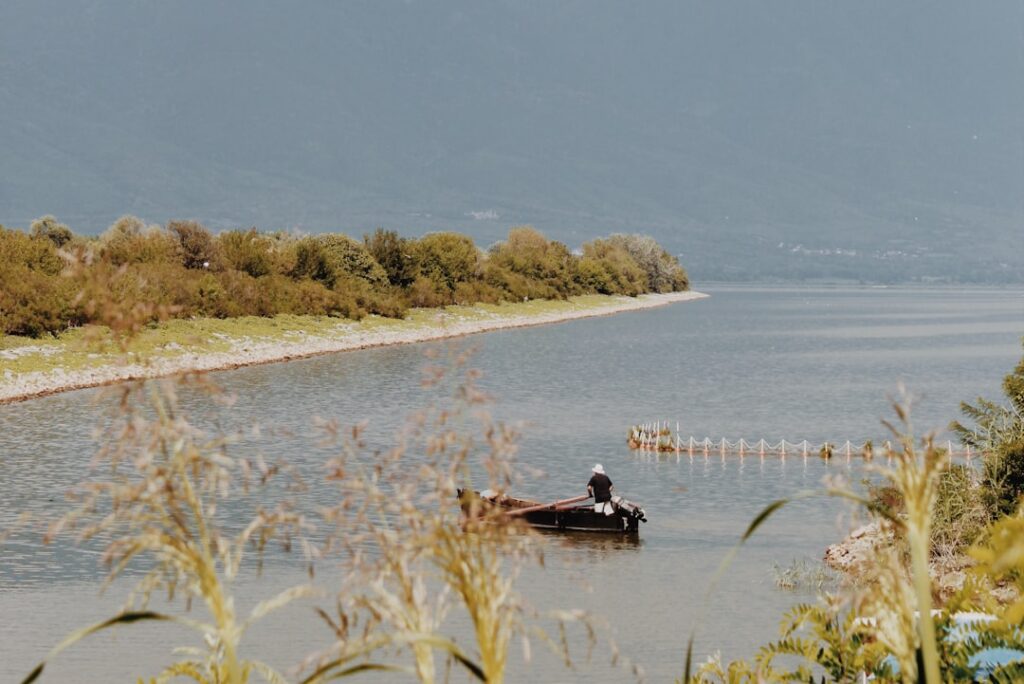
Lake Skadar (Skadarsko Jezero, Skadarsko Jezero National Park) is the largest lake in the Balkans, shared between Montenegro and Albania. Base yourself in Virpazar (Virpazar village, Bar Municipality). From Budva it’s roughly 45–60 minutes by car (35–50 km) via the M-2; by bus take a Budva–Bar route with a stop at Virpazar — travel time varies from 1–1.5 hours, fares €3–6.
Arrive in Virpazar (Virpazar 85316, Municipality of Bar) — a small lakeside village with a municipal parking near the quay (Virpazar Harbor, Virpazar 85316). Boat cruises depart from the main pier: short options (1–2 hours) or half-day trips; prices run €10–20 per person for a 1–2 hour cruise, with stops for birdwatching and visits to isolated monasteries like Kom Monastery (Kom Monastery, Virpazar). Departures typically run 09:00–17:00 in season — book ahead for high season.
Activities: birdwatching (over 270 species including pelicans and herons), visiting the historic village of Rijeka Crnojevića (near Virpazar), and sampling local dishes such as grilled trout at quay-side restaurants (dishes €8–15). The Skadar Lake National Park Visitor Center in Virpazar provides maps and park info; hours roughly 09:00–17:00. Park access is often free for public areas, while guided tours and certain activities are priced separately.
Local tips: bring binoculars for birdwatching and a hat for summer boat trips. Traditional wooden boats (lađa) offer an authentic experience; if hiring a private boat, negotiate rates (half-day private tours €40–60 depending on group size). If you have a car, use the afternoon to head to Bar (Stari Bar, Stari Bar 85000) or continue to Ulcinj for wilder beaches; Bar and Ulcinj also have ferry and onward connections to Albania if you’re extending your trip.
6. Day 6 — Head north: Tara River Canyon, Durmitor and Žabljak
Early departure for Durmitor National Park and the Tara River Canyon in northern Montenegro. From the coast or Podgorica expect 3–4 hours driving (200–250 km depending on start point). Buses run Podgorica–Žabljak in about 3–4 hours with fares of €8–15 depending on the operator. The scenic drive crosses mountain landscapes — photo stops are a must at viewpoints like Đurđevića Tara Bridge (Đurđevića Tara Bridge, Mojkovac Municipality) on the R-22 route. The bridge is freely accessible with discreet parking and dramatic canyon views.
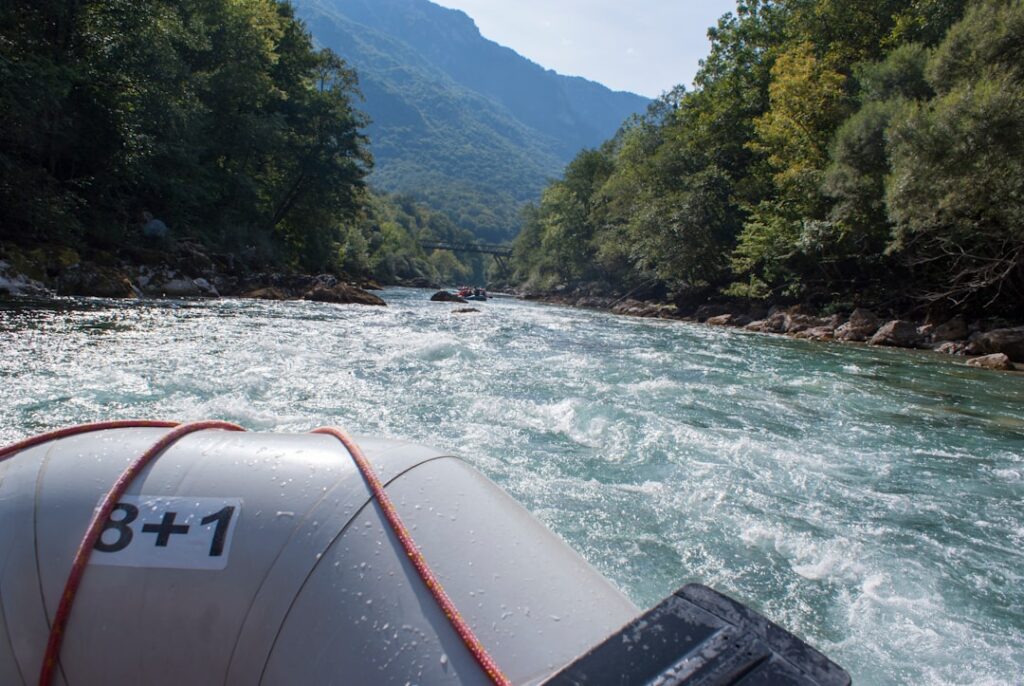
Activities: rafting on the Tara River (trips from Brštanovica/Plužine bases). Half-day rafting costs around €30–50 per person; full-day trips €50–80 depending on operator and gear — book ahead in high season. For non-rafters, Durmitor’s trails lead to the Black Lake (Crno Jezero, Black Lake, Žabljak 84220) — well-marked hikes with park maintenance fees typically €2–5.
Žabljak offers mountain lodgings and hearty restaurants. Recommended spot: Restoran Nacionalni Restoran Durmitor (Main Street, Žabljak) for traditional mountain dishes (stews, goat, etc.) €8–14. Extra activities include chairlift rides or hikes to nearby peaks, summer swims in glacial lakes and alpine meadow walks. Parking near main natural sites is usually free, with some organized lots charging a small fee.
Driving tips: northern roads can be narrow and twisty; in winter or shoulder seasons check road conditions and carry snow equipment (chains). Fuel stations are less frequent — top up in Pljevlja or Mojkovac if needed. If traveling by bus, confirm the last departures of the day back to Podgorica or the coast.
7. Day 7 — Ostrog Monastery, return to Podgorica or extend your trip
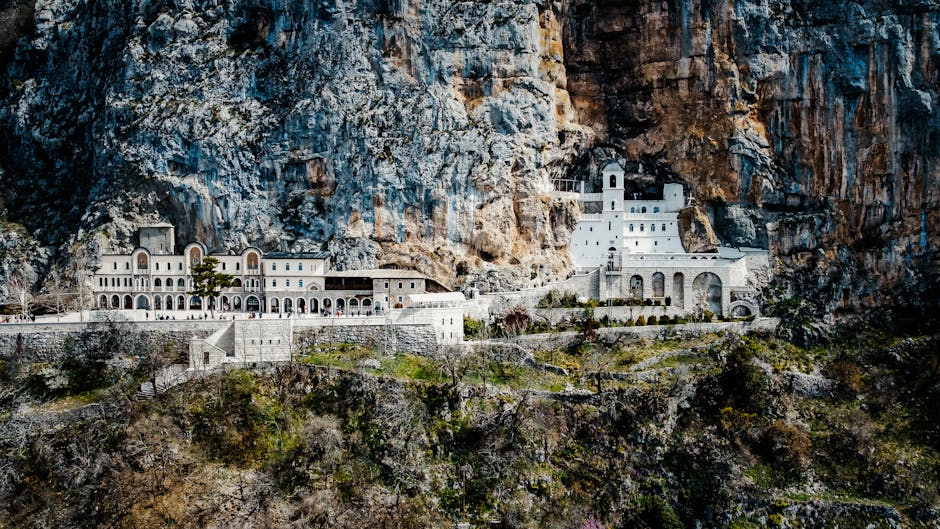
On your final day visit the spectacular Ostrog Monastery (Ostrog Monastery, Ostrog 81210). Address: Ostroška 5, Ostrog, 81210 Nikšić/Cetinje region, Montenegro. The site is open year-round; the chapel is usually available to visitors 08:00–19:00. Entry is free but donations of €1–5 are customary. Ostrog is an orthodox monastery built into a limestone cliff at about 900 m altitude — it draws pilgrims and visitors for its unique architecture and commanding views.
From Žabljak or Podgorica expect 2–4 hours of driving depending on start. The visit takes about 1–2 hours: you can reach the upper monastery from the upper parking area in a short walk, or approach from below on a longer path. After Ostrog you can return to Podgorica (around 1 hour from Ostrog) to catch a flight or continue toward Albania or Croatia. In Podgorica, stroll the Ribnica river area and the modern city centre (Centar, Podgorica 81000); a recommended restaurant is Pod Volat (Bulevar Svetog Petra Cetinjskog 48, Podgorica) for traditional Montenegrin fare (dishes €6–12; open roughly 10:00–22:00).
End-of-trip alternatives: if you have more time detour to Piva Lake and Piva Monastery, or head to Dubrovnik (Croatia) along the coast. Departure tips: allow 2–3 hours before your flight to return a rental car and handle formalities. If returning a vehicle at Podgorica Airport Car Rental Desk, confirm the exact drop-off location with your provider; off-site return fees can apply (€20–50).
Conclusion — Planning, budget and final tips
In seven days in Montenegro you can mix Mediterranean coastline and alpine peaks, history and spirituality, wild nature and friendly villages. This suggested route balances driving (or bus travel), light hikes, swims and downtime. Indicative budget for 7 days per person (excluding international flights): accommodation €40–100/night depending on standard, food about €15–35/day on average, car rental €30–60/day + fuel €40–80 for the week; buses €30–80 for main intercity connections. Activities add up depending on choices (Skadar boat €10–20, Perast boat €6–8, Lovćen mausoleum €3–5, Tara rafting €30–80).
Last-minute practical points: always carry some cash for small shops and parking, especially in rural areas. Check the weather: coastal climates differ sharply from mountain weather. When driving, obey speed limits, slow down on mountain roads and take regular breaks to enjoy the views. Book popular activities in advance (rafting, lake cruises, some hotels at Sveti Stefan) for high season. If you’re using buses, keep local company numbers and timetables handy and arrive 15–20 minutes early at bus stations.
Finally, soak up the local warmth: chat with fishermen, taste village cheeses and cured meats, and linger at markets. Montenegrins are generally welcoming and proud of their heritage — a few basic phrases in Serbo-Croatian (« Hvala » = thank you, « Dobar dan » = hello) can open doors. Whether you opt for driving freedom or bus comfort, this seven-day loop delivers a concentrated taste of Montenegro’s best — from the Bay of Kotor to Durmitor’s summits, the calm of Skadar Lake and the spiritual calm of Ostrog.