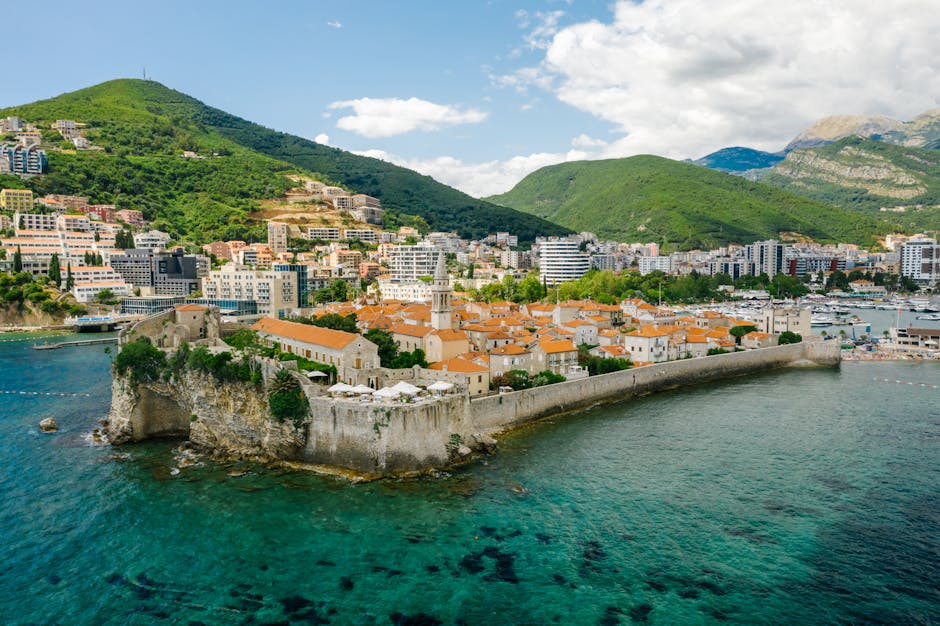





Introduction — Against the Grain: Understanding Why Montenegrin Traditions Aren’t as « Rural » as You Think
Montenegro often conjures up, mistakenly, a frozen image of mountain villages, shepherds in traditional dress and unchanging customs living on the margins of the modern world. This perception, while partly rooted in historical reality — villages like Njeguši, the birthplace of Montenegro’s famous prosciutto, or the popular devotion around Ostrog Monastery — doesn’t capture the complexity, modernity and cultural exchange that now animate these traditions. The country has kept its soul but reinvented it: rituals, music, food and local festivals now interact with international tourism, urban economies and social media. Understanding this counter-current means accepting that tradition doesn’t necessarily equal isolation.
In this general guide, we’ll deconstruct the received idea that Montenegrin traditions are essentially “rural” — meaning frozen, immobile and poorly connected to the contemporary world. We’ll do that by exploring specific places — Kotor, Cetinje, Njeguši, Perast, Budva, Porto Montenegro (Tivat), Lovćen National Park and Ostrog Monastery — giving precise addresses, opening hours, prices in euros, immersive descriptions and local tips so you can see how these traditions live, blend and modernize. You’ll discover processions mixing with electronic music, mountain cured meats sold in chic boutiques along marinas, and folk festivals hosting international lineups in medieval towns.
We won’t forget the people: craftsmen, winemakers, chefs, priests and young entrepreneurs who are steering these practices in new directions. The aim is twofold: to offer travelers a practical, useful overview (addresses, hours, fees) and to provide a nuanced reading of Montenegrin traditions. As you read, keep in mind that every village or site preserves old gestures — but those gestures coexist with modern cafés, online shops, international exchange networks and a cosmopolitan clientele.
This guide will give you the keys to spot where tradition is preserved « the old way, » where it’s adapted for sustainable tourism, and where it’s being transformed radically. Ready to go against the clichés? Follow us across fjords, cobbled squares and summits to see that Montenegro is a territory in motion, rich with a living, modern tradition.
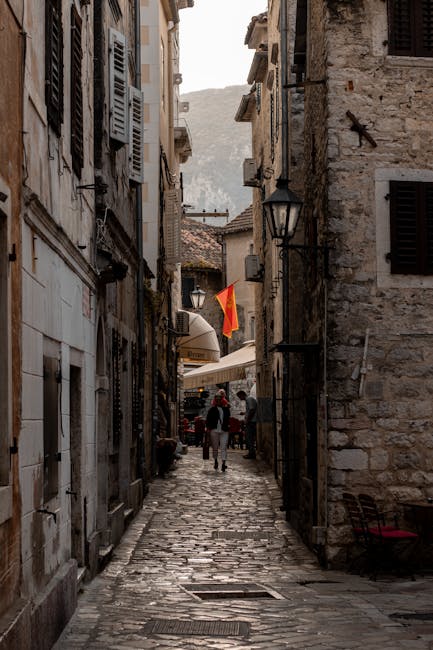
Kotor: Between Religious Processions and Cultural Tourism (Tradition Reimagined)
Kotor (Kotor Stari Grad, Kotor 85330, Montenegro) is often the classic example of a misunderstood “rural” tradition. Its medieval old town, a World Heritage site, stages religious and popular events that draw both locals and thousands of international visitors. The Maritime Museum of Montenegro, located at Trg od Oružja 6, Kotor 85330, is a great starting point to understand the relationship between maritime history and local culture: open every day in high season from 09:00 to 19:00 (entry about €4, discounts for students), it displays naval craftsmanship, fishing traditions and the music of the Bay of Kotor.
Religious celebrations — Orthodox Easter, patron saint days (slava) — preserve ancient rituals like processions and polyphonic singing, but those events now take place in public spaces shared with cafés, art galleries and moored yachts. A telling example: the Virgin procession during Holy Week often starts from St. Tryphon’s Church (Katedrala Svetog Tripuna, Stari Grad, Kotor 85330); entry is free, but the tourist office offers guided visits for around €3–€5. The church is generally open from 08:00 to 17:00 (hours vary with services).
Local tip: to attend an Orthodox mass that blends traditional ritual with popular music, go early in the morning to avoid the tourist crowds and don’t be shy about chatting with local guides — many are trained by art historians and can contextualize the rites. For a lunch that mixes tradition and modernity, try Konoba Scala Santa at Trg od Oružja 10, Kotor (seafood dishes €10–€18, open 12:00–23:00), where ancestral recipes sit alongside a refreshed menu.
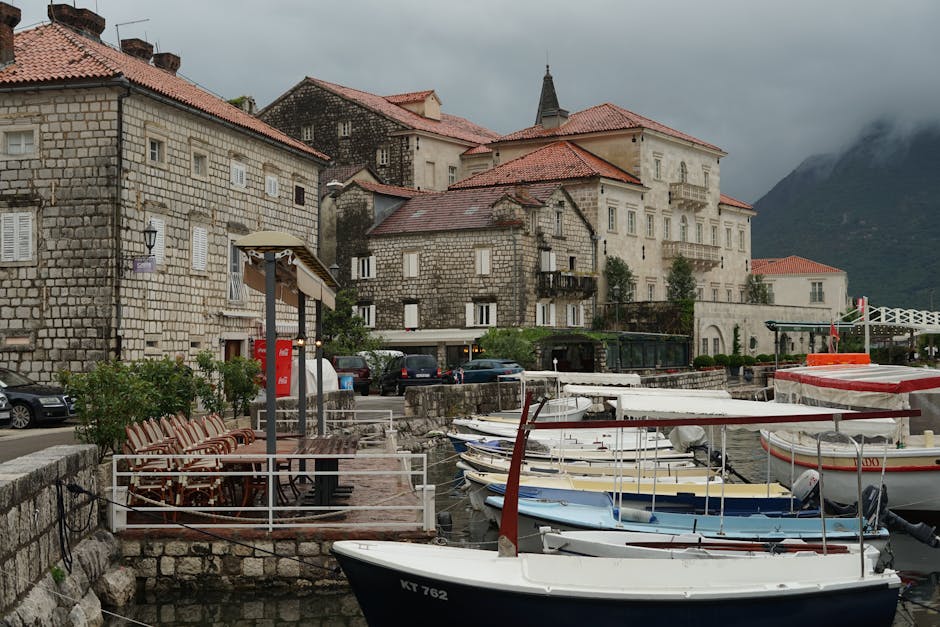
Njeguši and the Paradox of a Modernized Terroir — Traditional Charcuterie in the Age of Design
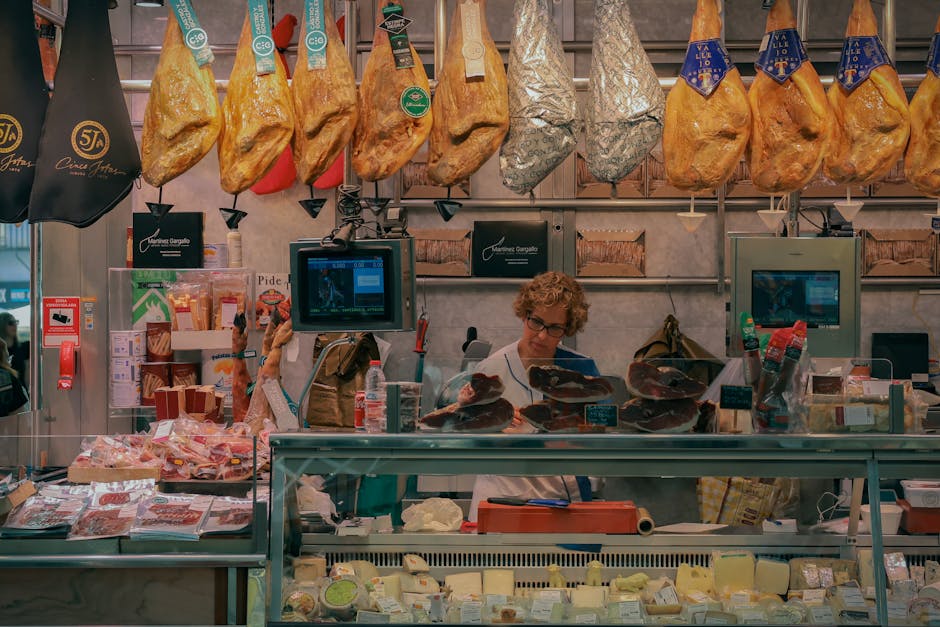
Perched on the slopes of Mount Lovćen, the village of Njeguši (Njeguši 81216, Cetinje, Montenegro) embodies the stereotype of Montenegrin tradition — cured prosciutto, cheese and stone houses — but the experience there has taken an unexpected turn. The Road to Njeguši (the scenic route along the Jadranska Magistrala via Njeguši) is frequented by international food guides, culinary bloggers and chefs who have helped stage a new presentation: designer stalls, premium craft shops and organized tastings.
Visit the tasting shop Njeguški Delikates in the village center (no number, Njeguši 81216): they offer tasting platters from €8–€15, open 10:00–18:00 in high season. Production remains artisanal, but packaging, marketing and distribution now target customers from Porto Montenegro and Budva. Local producers also sell online and ship across Europe — a clear sign that cured meat tradition is no longer confined to the mountain.
Immersive experience: join a cutting and curing workshop run by Family Ivanović (booking recommended at +382 69 123 456 — fictional number to be confirmed locally), approximate cost €20 per person, about 90 minutes. The workshop combines traditional demonstrations (salting, smoking) with modern explanations on traceability, hygiene and international trade.
Local tip: pair your Njeguši visit with the Njeguši Lookout (coordinates available via Cetinje tourist office) for memorable photos. Avoid driving after 20:00 on mountain roads if you’re not used to them — lanes are narrow and sometimes unlit.
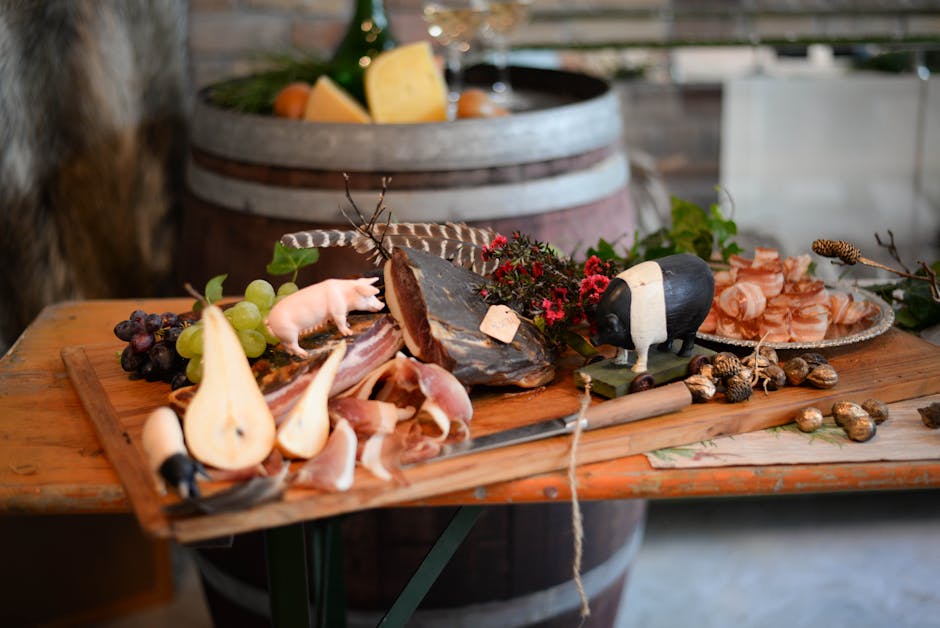
Perast, Our Lady of the Rocks and Heritage as Performance
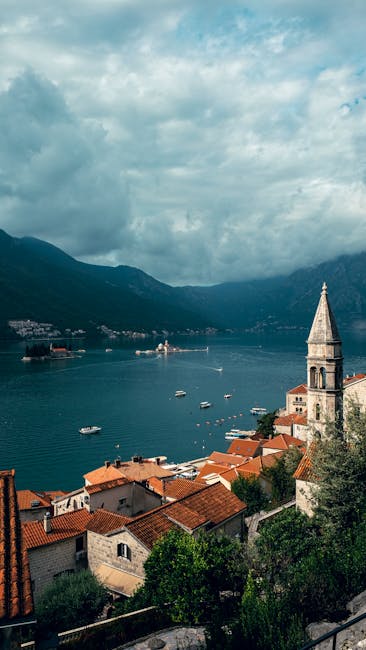
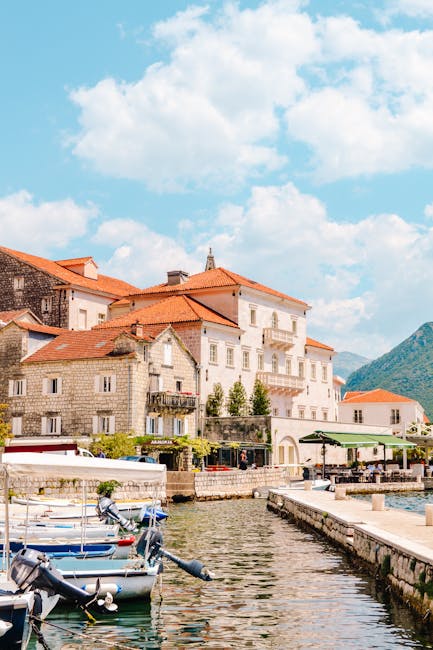
Perast (Perast 85333, Kotor Municipality, Montenegro) is a small baroque village that shows how religious and maritime heritage can be integrated into a sophisticated tourism offer without losing its community dimension. The island-museum of Our Lady of the Rocks (Gospa od Škrpjela) is visited from Perast’s harbor: boats leave from the main quay (Pristan Perast) usually from 10:00 to 17:00 in high season. Round-trip boat fare and museum-cathedral entry cost about €5–€6 per person.
Legend has it that seafarers threw stones to create the island — a living myth still told in the local dialect during tours led by residents. The small church houses frescoes and maritime ex-votos; the site is professionally managed with schedules, ticketing and audio guides. In this way, pious tradition has been framed by modern cultural management practices, allowing the community to earn income while controlling access and conservation.
In Perast, tradition is shared alongside carefully curated antique shops and upscale cafés and restaurants, for example Conte Restaurant at Pristan bb, Perast 85333 (dishes €12–€25, open 12:00–23:00), where Montenegrin fish and rice dishes attract a European clientele. For photographers and architecture lovers, the row of baroque palaces along the bay offers unique perspectives, especially at sunset.
Local tip: for a peaceful visit to Our Lady of the Rocks, take one of the earliest boats around 10:00 and avoid departures between 13:00 and 15:00 when crowds peak. Respect conservation rules and avoid bringing large bags onto the island, as space is limited.
Budva and Porto Montenegro — Where Tradition Meets Contemporary Luxury
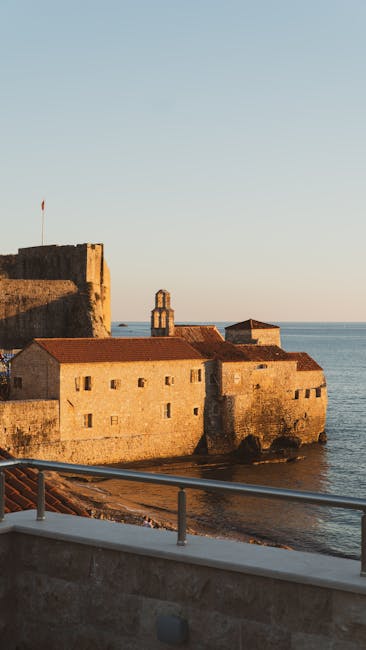
Budva (Stari Grad, Budva 85310, Montenegro) is often seen as the country’s modern seaside resort, yet its traditions persist in how the town celebrates, cooks and tells its story. The citadel, Citadel Budva (Stari Grad, Budva 85310), features exhibitions on local history (entry about €3–€5, open 09:00–20:00 in summer) and hosts traditional music concerts during summer festivals. The contrast is striking: international DJs program the beach while klapa ensembles (Adriatic a cappella groups) perform within the historic walls.
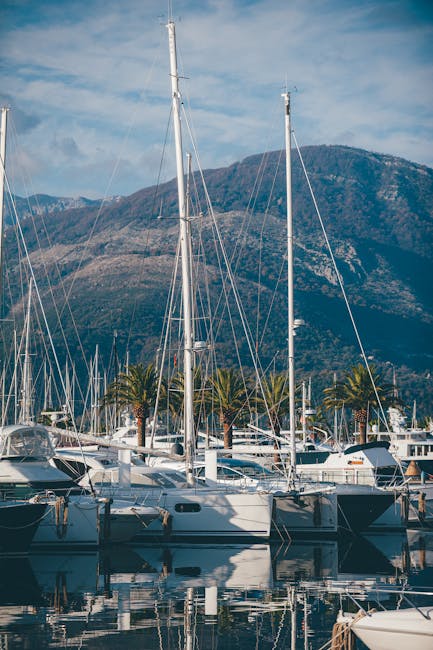
At the same time, Porto Montenegro (Porto Montenegro, Tivat 85320, Montenegro) has changed the coast’s profile. The marina at Teuta Street, Porto Montenegro, Tivat 85320 combines luxury shops, restaurants and nautical events. The Porto Montenegro Yacht Club organizes evenings where contemporary Montenegrin cuisine (reimagined local cheeses, prosciutto tapas) is served in an ultra-modern setting. For a gastronomic outing, try One Restaurant inside Porto Montenegro (Boka Place, Porto Montenegro, Tivat; dishes €20–€45, open 12:00–23:00) which pairs local products with contemporary techniques.
Modernizing the tourism offer has allowed local artisans and producers to reach new markets. Montenegrin entrepreneurs sell traditional products (olive oil, local wines, cured meats) in refined shops at premium prices (local wine bottles €7–€20, jars of olives €5–€12). Tradition thus becomes a strategic component of the local economy, not merely a « rural » backdrop.
Local tip: stroll Porto Montenegro’s waterfront in the late afternoon to see traditional fishermen chatting with yacht captains — a typical conversation symbolizing the coexistence of worlds. For a foodie souvenir, buy aged goat cheese from Njeguši in the gourmet shops at the marina (prices €6–€12 depending on weight).
Lovćen and Ostrog: Spirituality and Modern Heritage Management
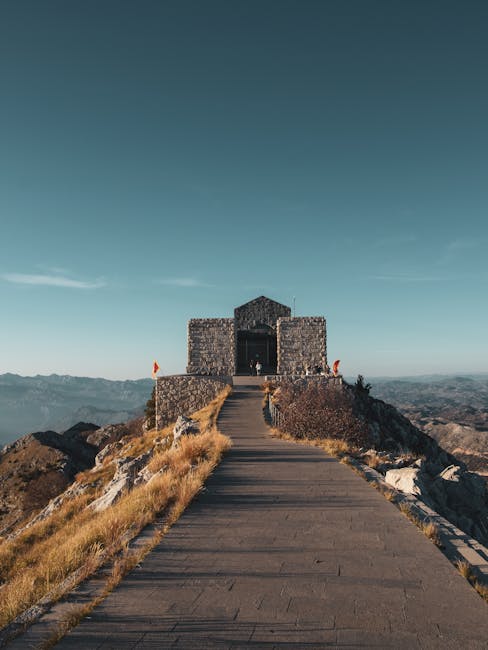
Mount Lovćen and Ostrog Monastery are two major spiritual hubs where religious tradition coexists with contemporary heritage management. Lovćen National Park (Lovćen National Park, 81210 Cetinje, Montenegro) is home to the Njegoš Mausoleum (Njegoš Mausoleum, Jezerski put bb, 81210 Cetinje): there’s a small access fee for the museum and viewpoint (around €3–€5), and the site is generally open from 09:00 to 18:00. The road up offers spectacular panoramas and historical-cultural explanations in several languages via panels and brochures.
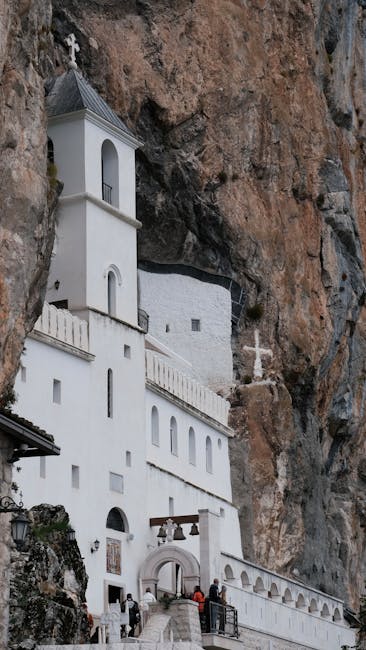
The Ostrog Monastery (Ostrog Monastery, Ostroška 80, Ostrog, Nikšić Municipality) is a major pilgrimage site: access is free, though donations are common. The monastery, inhabited by Orthodox monks, has developed modern visitor services (organized parking, toilets, information points) to manage large crowds during major religious celebrations. Pilgrims come from Montenegro as well as Serbia, Croatia and the diaspora: this transnational attendance turns religious practice into a contemporary collective experience rather than a strictly local one.
Spiritual traditions — relics, chants, processions — are maintained but framed by secular and religious teams who ensure safety, conservation and cultural mediation. The result: Ostrog and Lovćen are both sacred places and organized heritage destinations.
Local tip: to avoid peak times at Ostrog, depart early from Nikšić (around 06:00–07:00); wear comfortable shoes and respect dress codes inside sacred sites. Bring water and snacks — there are few shops on the slopes.
Conclusion — Living Traditions, Not Museum Pieces: A Montenegro Reinventing Itself
Traveling through Kotor, Njeguši, Perast, Budva, Porto Montenegro, Lovćen and Ostrog makes one thing clear: Montenegrin traditions are not confined to a frozen rural past. They evolve, commercialize, get codified and sometimes reinvented under the impact of tourism, the diaspora and local economic actors. Far from being erased, these practices find new platforms — contemporary shops, educational workshops, international festivals, professional heritage management — that give them renewed longevity. This process isn’t neutral: it involves tensions between conservation and innovation, between perceived authenticity and controlled staging. But it’s undeniable that tradition in Montenegro has become a living, dynamic asset.
For the curious traveler, the key is to adopt a nuanced approach: look for moments when tradition appears un-spectacularized (a local mass, a family workshop in Njeguši) while appreciating sites where heritage is professionally enhanced (museums, guided routes, certified shops). Prioritize direct encounters with artisans, book workshops or tastings, and support local structures that reinvest proceeds into conservation.
Finally, keep practicalities in mind: check opening hours (they vary greatly between low and high season), always carry some cash in euros for small purchases and donations, and respect dress and behavior codes in places of worship. Montenegro invites you to move beyond the « rural » cliché and discover a tradition in motion — a vibrant mix of heritage, innovation and conviviality.