





Introduction — Discovering Montenegrin cuisine: where sea meets mountains
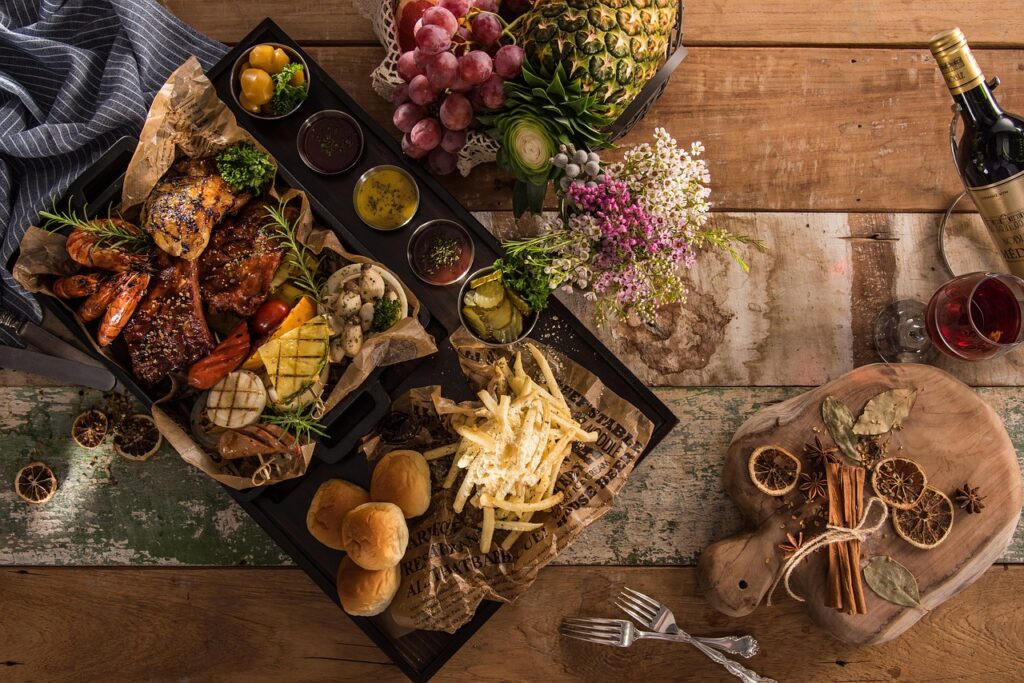
Montenegrin cuisine is a sensory journey where Mediterranean influences mingle with the hearty traditions of the Balkans. Montenegro may be small on the map, but its landscapes are vast, and its food reflects that geographic diversity: sun-drenched Adriatic coasts give way to inland plateaus and mountains where the climate shapes unique dairy and meat products. This guide offers a full immersion into those flavors, with practical focus on concrete spots, addresses, prices and opening hours — everything you need to plan meals and culinary discoveries like a local.
Along the coast, traditional fishing and olive oil take center stage. Family-run restaurants often serve seafood caught the same day, grilled or skewered, paired with a glass of Vranac or a local white. Moving inland, the scenery changes and so do the dishes: smoked charcuterie, artisanal cheeses, mountain stews and wood-fired breads become staples. Ottoman influences remain visible in the spices and cooking techniques, while Mediterranean neighbors have added recipes heavy on olive oil, fresh herbs and fish.
This guide takes you through four major Montenegrin food regions: the Adriatic coast (from Herceg Novi to Bar), the Bay of Kotor and its historic villages, central Montenegro around Cetinje and Podgorica, and the interior ranges (Njeguši, Durmitor) where rural traditions are still very much alive. For each region you’ll find recommended restaurants and markets, exact addresses, price ranges in euros, typical opening hours and immersive descriptions to help you choose — whether you’re after a light seaside lunch, a seafood tasting dinner, or a hearty post-hike mountain meal.
Beyond addresses and practical tips, the guide includes local recommendations: when to order fish to be sure it’s fresh, how to recognize a good mountain cheese, and which bread suits which dish. Montenegrins take pride in their hospitality; many taverns (konobas) and bakeries are family-run and will welcome you with a generosity that turns a simple meal into a memorable moment. Expect recipes passed down through generations, lesser-known local wines and the unmistakable difference between a first-pressed artisanal olive oil and an industrial bottle.
To keep this guide useful during your travels, each recommendation includes a full address, indicative opening times and estimated prices. The listed prices are averages in euros for guidance: a main course on the coast can range from €10–€25, while a full meal in a mountain konoba will often be €20–€35. Local markets are much cheaper — a kilo of in-season tomatoes or peaches might cost €1–€3, and artisanal cheeses €8–€15 per kilo depending on rarity.
The Adriatic coast: fresh fish, olive oil and family taverns
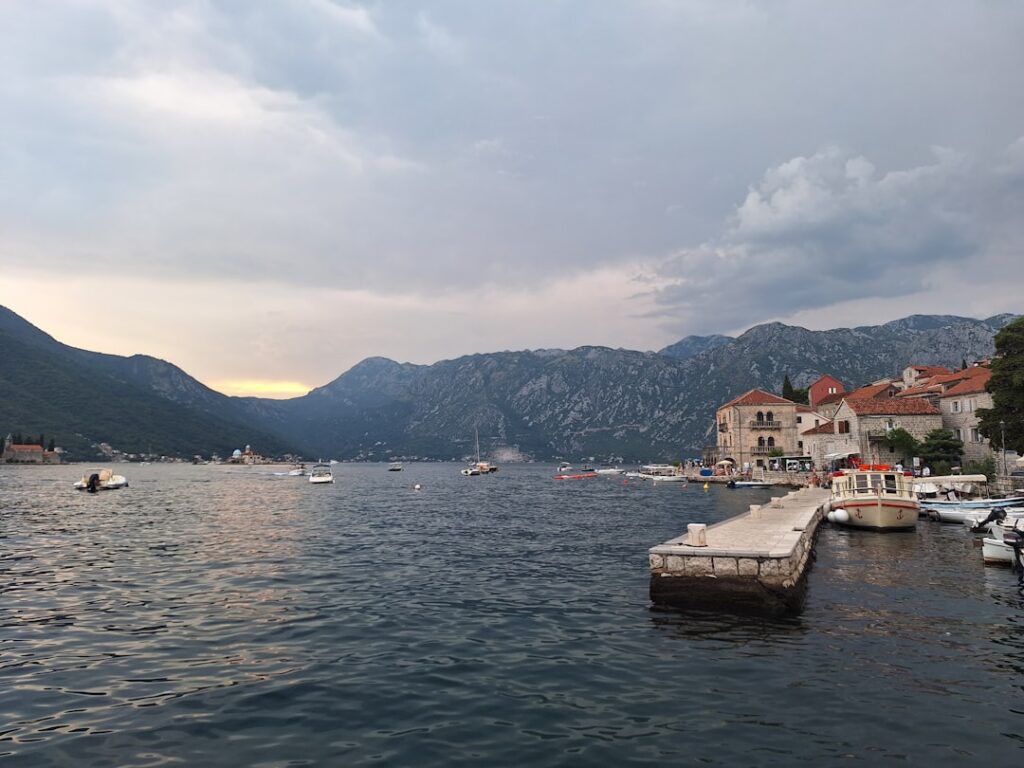
The Montenegrin coast, stretching from Herceg Novi down to Bar, is a seafood lover’s realm and a place for light salads. Freshness is everything here. Local fishermen bring in their catch daily; many konobas (taverns) display the catch of the day on a board by the door. Typical dishes include brudet (fish stew), calamari on the griddle, grilled prawns and whole roasted fish. Sides are often simple: roasted potatoes, grilled vegetables and a Mediterranean salad of tomatoes, cucumber, red onion, peppers and local first-press olive oil.
Concrete recommendations:
- Restaurant Konoba Catovica Mlini — set by a river, traditional coastal-inspired Montenegrin cuisine. Address: Donji Muo bb, 85330 Muo, Risan. Opening hours: daily 11:00–23:00. Prices: mains €12–€30. Description: romantic setting in an old mill, excellent brudet and grilled calamari. Tip: book a waterside table in high season.
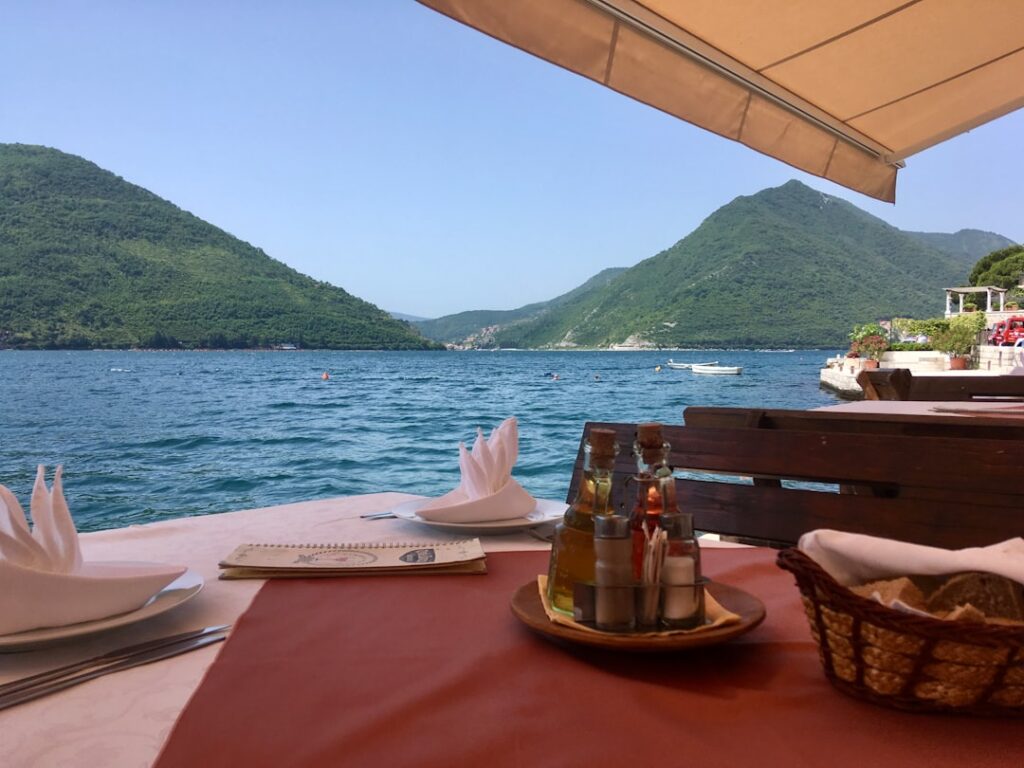
- Restaurant Galion, Perast — Obala sestre Jakićeve 3, 85333 Perast. Opening hours: 12:00–22:30 (closed Mondays off-season). Prices: whole fish €18–€35, tasting menus €35–€45. Description: views of the bay’s islets, seafood specialties. Tip: ask for the day’s special and pair it with a local white like Krstač or Pošip.
- Restaurant Špina, Budva — Obala Maračića 4, 85310 Budva. Opening hours: 11:00–23:00. Prices: pizzas €6–€12, seafood mains €10–€28. Description: popular with locals and tourists alike, great for a terrace lunch near the beach.
Local tip: to guarantee freshness, order fish “na gradele” (grilled) or brudet and ask which fish was caught that morning. Avoid peak hours without a reservation in July and August; opt for an earlier dinner (19:00–20:00) to enjoy a quieter table and service. Coastal restaurants often charge higher à la carte prices for front-line views: a seafood platter at a top-tier seafront spot can run up to €40.
The Bay of Kotor and Perast: historic taverns and hinterland cheeses
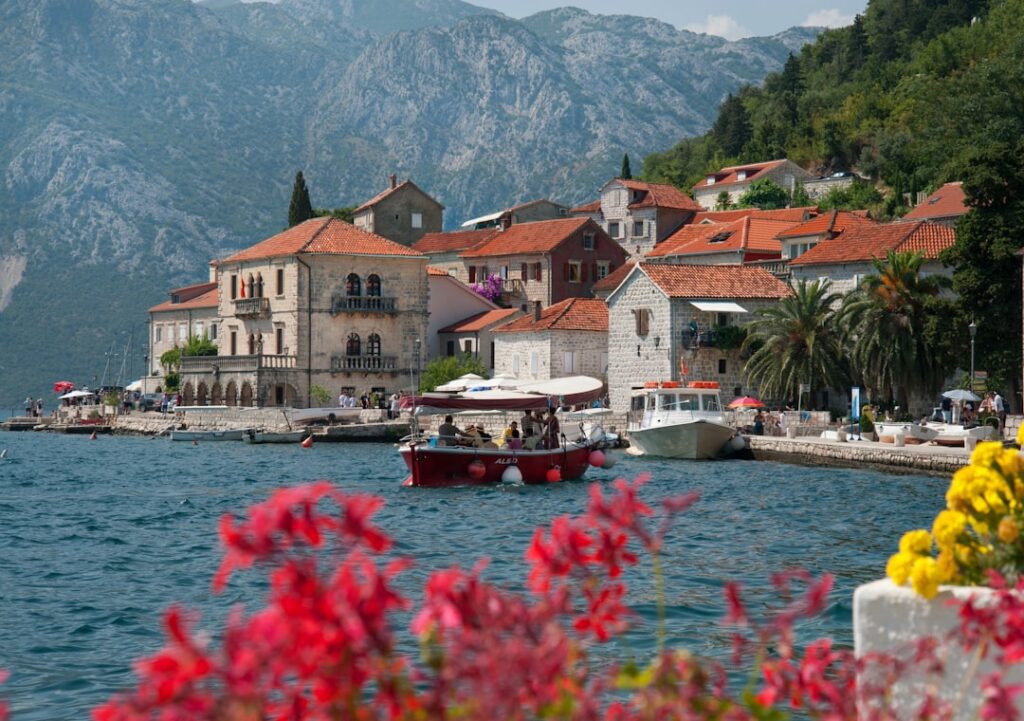
The Bay of Kotor, with its medieval villages and intimate harbors, serves food steeped in history. In Kotor, Herceg Novi and Perast, restaurants focus on both seafood and mountain-sourced specialties brought down from the hills. Family konobas serve rustic dishes — roasted meats, goulash, pâtés and matured cheeses — while more upscale restaurants present contemporary assortments that still showcase local products.
Concrete recommendations:
- Restaurant Konoba Portun, Kotor — Obala 13, 85330 Kotor. Opening hours: 10:00–22:00. Prices: mains €8–€20. Description: a small konoba in the old town, Montenegrin specialties and generous portions; ideal for trying local mezzes and the Montenegrin salad (pržena paprika, tomatoes, cheese).
- Restaurant Palazzo Radomiri (Perast) — Trg Svetog Nikole 1, 85333 Perast. Opening hours: 11:00–23:00. Prices: menus €25–€50 depending on choices. Description: charming palace converted into a restaurant with sea and island views. Tip: order a platter of coastal cheeses and charcuterie with a glass of Vranac.
- Njeguši Cheese Producer (family dairy) — Njeguši village, 81310 Cetinje (route from Njeguši). Opening hours: 08:00–18:00 (check market days). Prices: Njeguški cheese €10–€15/kg, prsut (smoked ham) €18–€28/kg. Description: historic village known for smoked cheese and prsut; artisanal products aged in the traditional way. Tip: tasting here is a must after visiting the Njegoš monument.
The bay is also excellent for urban food markets. In Kotor, the covered market near the harbor offers vegetables, herbs and fish caught that morning. Expect to pay €2–€5 for a kilo of in-season tomatoes, and €8–€20 per kilo of fish depending on the species.
Tasting tip: pair a Njeguši cheese (smoked cow’s milk cheese) with rye or wood-fired country bread and a local red wine to balance the smoky flavor. Montenegrin tradition serves prsut in paper-thin slices, often alongside melon or figs in summer — a much-loved sweet-and-salty combo.
Central Montenegro: Cetinje, Podgorica and inland comfort food
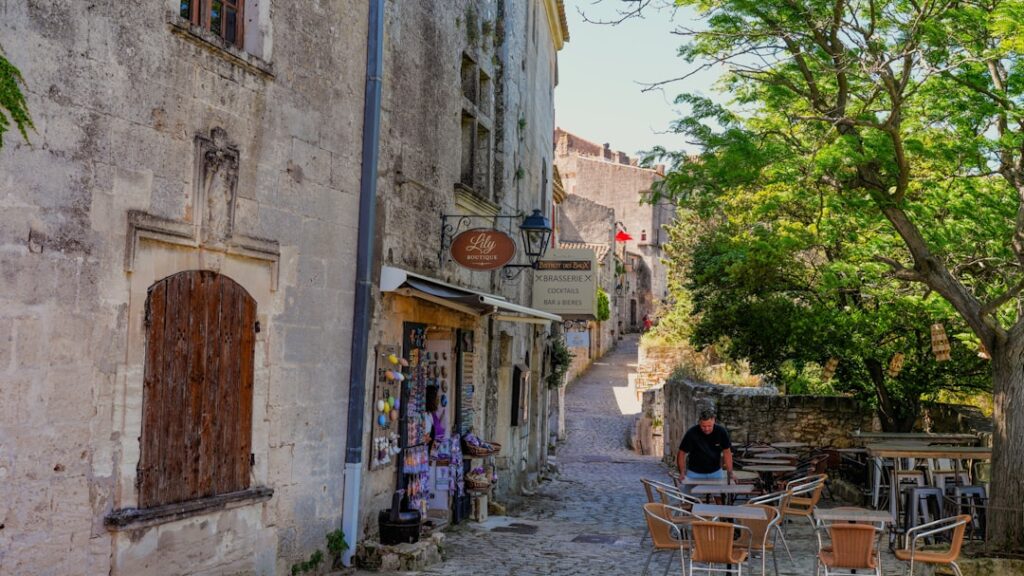
Heading away from the coast, dishes become heartier. In Cetinje, the old royal capital, and in modern Podgorica, the cuisine highlights meats, stews and dairy products. Urban markets, artisan bakeries and charcuterie shops are essential stops to understand the country’s culinary range. Bread (proja made from cornmeal, various flatbreads) often accompanies meals, and homemade yogurt (kiselo mleko) is common at breakfast or as a side.
Concrete recommendations:
- Restaurant Pod Volat, Podgorica — Njegoševa 36, 81000 Podgorica. Opening hours: 09:00–23:00. Prices: mains €10–€25. Description: a fusion of traditional and modern cooking, great for Montenegrin stews and grills. Tip: try the čorbast (thick soup) and local kebabs.
- Restaurant Stari Grad, Cetinje — Njegoševa 1, 81210 Cetinje. Opening hours: 08:00–22:00. Prices: breakfasts €3–€7, mains €8–€18. Description: located near the Cetinje monastery, with historic ambiance and local dishes: goulash, scrambled eggs with cheese and homemade bread.
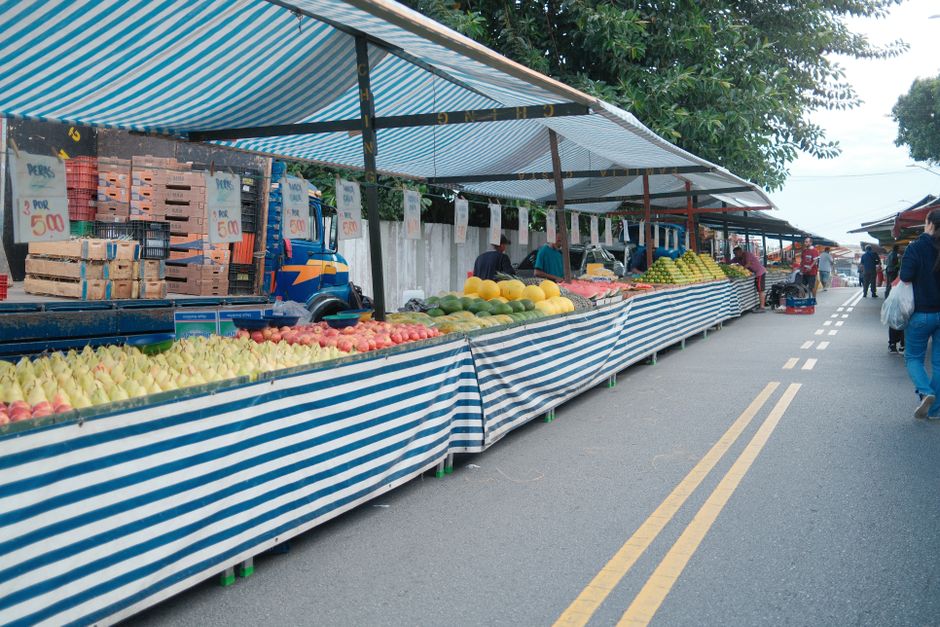
- Green Market (Zelena Pijaca), Podgorica — Bulevar Ivana Crnojevića, 81000 Podgorica. Opening hours: 06:00–14:00 (main morning market). Prices: fresh produce €1–€5 depending on season. Description: a lively market to buy fruits, vegetables and local cheeses. Tip: arrive early for the best produce and negotiate prices directly with producers.
Mountain traditions from the center also show up in desserts. Honey pastries, milk cakes and filled crepes (palačinke) are classics to enjoy after a big lunch. Cafés in Podgorica and Cetinje serve these sweets alongside Turkish coffee or a strong espresso — coffee is an integral part of Montenegrin social ritual. Expect generous portions and friendly service, often from families happy to share the story behind each dish.
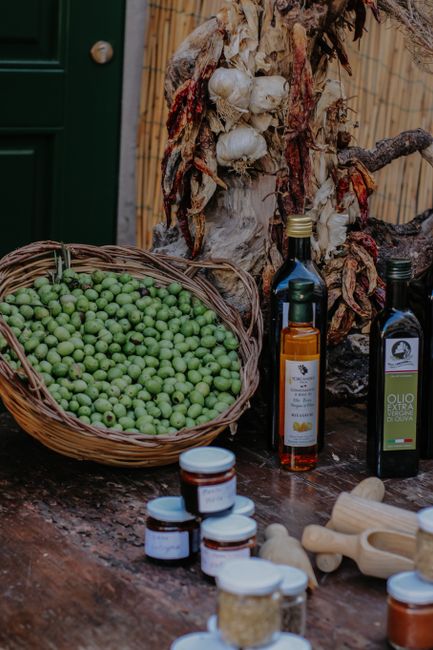
Practical tip: if you want to bring home artisanal products, look for vacuum-packed cheeses or well-wrapped prsut; many shops will slice and vacuum-seal ham for travel. For lighter packing, opt for jars of marinated herbs and small bottles of local olive oil (0.25–0.5 L usually cost €6–€15 depending on quality).
Mountains and plateaus: Njeguši, Durmitor and mountain feasts
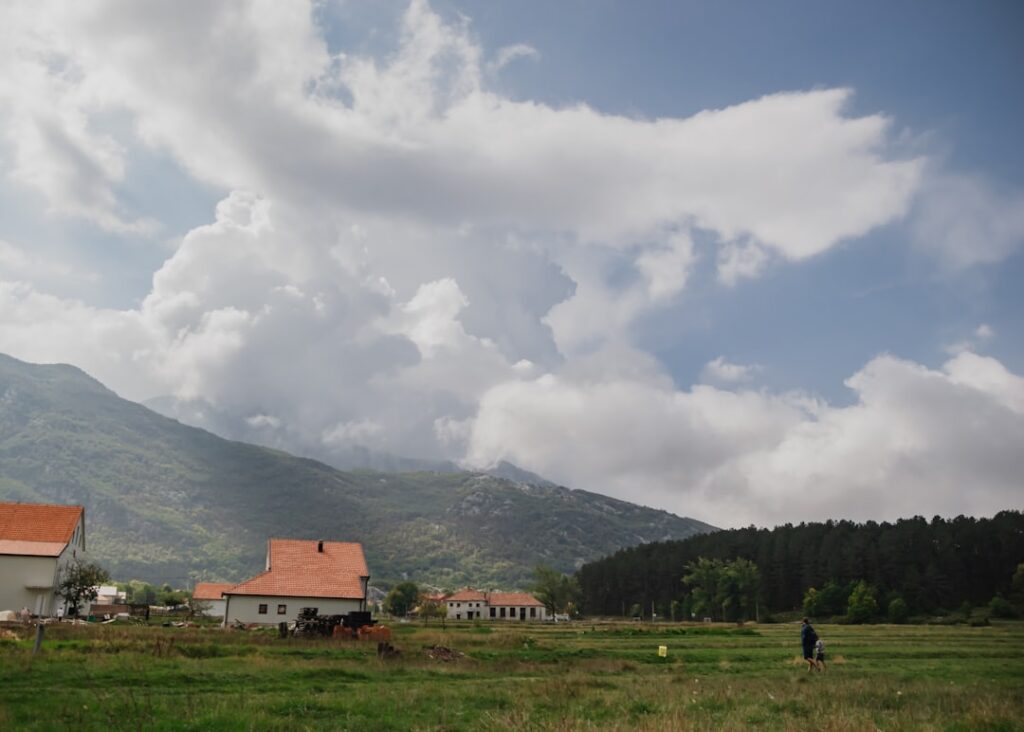
The Montenegrin mountains serve comfort food that warms the soul: stews, smoked meats, aged cheeses and wood-fired breads. Njeguši, a small village on the road between Kotor and Cetinje, is famous for its prsut (smoked ham) and smoked cheese — visiting is almost a culinary pilgrimage. Higher up in Durmitor National Park, after a day of hiking, travelers gather around hearty dishes like kacamak (a mashed potato-and-cheese dish), lamb stews and thick vegetable soups.
Concrete recommendations:
- Konoba Vranac, Njeguši — Main Road Njeguši, 81310 Njeguši. Opening hours: 09:00–20:00 (closed some days off-season). Prices: prsut and cheese platter €8–€18, mains €10–€20. Description: a family konoba with local specialties, often lively with residents. Tip: try the prsut with homemade bread and a glass of rakija (local brandy).
- Restaurant Buffet Durmitor, Žabljak — Trg Oslobođenja 2, 84220 Žabljak. Opening hours: 08:00–22:00. Prices: mains €8–€18. Description: an ideal stop after a hike, offering mountain classics like kacamak and thick soups. Tip: ask for family-style portions if you’re in a group.
- Hotel Soa – Mountain Restaurant — Trg Palih Boraca 1, 84220 Žabljak. Opening hours: 07:00–23:00. Prices: evening menu €15–€30. Description: a guesthouse restaurant serving local produce and seasonal menus; perfect for a cozy evening after time on the trails.
Local advice: in the mountains ingredients are seasonal. Wild mushrooms, berries and aromatic herbs shape the menus. Dishes are often simple but deeply flavorful, cooked slowly to concentrate taste. Kacamak, for instance, requires time and good cheese to reach a creamy, sticky texture — it’s a perfect sharing dish. Pack warm shoes and clothing if you plan to dine at altitude in the evening, as temperatures drop quickly.
If you love charcuterie, seek out small artisan shops in mountain villages; producers often offer tastings and explain their smoking and curing methods — a great way to learn and to buy authentic, sustainable products.
Practical tips for traveling and eating like a local
To get the most out of Montenegrin food, here are practical tips and local habits:
- Reservations: During high season (June–September), book coastal restaurants and bay-view spots at least 24–48 hours in advance. Mountain konobas often accept same-day reservations.
- Meal times: Lunch is usually eaten between 12:00 and 15:00, dinner from 18:00 onward. Cafés serve breakfast early (07:00–10:00), especially in larger towns.
- Budget: plan €10–€25 per person for a full meal in a modest konoba, €20–€45 in a tourist or gourmet restaurant. Markets and street food offer very affordable meals (€3–€8).
- Payment: the euro (€) is the national currency. Most places accept cards, but carry cash for small konobas and markets (especially in the mountains).
- Dietary needs: local cuisine uses a lot of olive oil, herbs and fresh produce; ask for “bez soli” (without salt) if you’re reducing salt, and “bez luka” (without onion) if needed. Vegetarian options exist but are more limited in mountain areas — favor salads, cheeses and potato- or grilled-vegetable dishes.
- Meet the producers: visit local markets and farms when possible. Many producers offer tastings and explain their methods (cheesemaking, beekeeping, olive pressing).
Finally, slow down: in Montenegro a meal is often a social experience. Take time to savor, talk with the server or owner, and ask where ingredients come from. It’s often the best way to learn and to leave with authentic culinary memories.
Conclusion — Between sea and mountains, a cuisine to discover
Montenegrin cuisine is a mosaic in which every region adds its own note: the coastal freshness, the historic flavors of the Bay of Kotor, the generosity of inland dishes and the authenticity of the mountains. This guide has given you specific places, addresses, opening times and price ranges to plan your meals and tasting adventures, while reminding you that the best of Montenegrin food is often found in small family konobas and morning markets. Whether you’re eating a grilled fish overlooking the bay, sharing a plate of prsut and cheeses in Njeguši, or warming up with kacamak after a hike, each culinary experience is rooted in the country’s landscape and culture.
Know that Montenegro is evolving: new spots are popping up, chefs are reinterpreting classics and local agricultural initiatives are highlighting organic and sustainable produce. Don’t be afraid to explore beyond the recommendations: ask locals, request the day’s special and follow the aromas and atmosphere. Montenegrins are welcoming and proud of their culinary heritage; a polite word in Montenegrin (hvala for thank you) and a smile often open the door to extra stories or even a complimentary taste.
To wrap up, give yourself enough time to taste regional contrasts, bring a small packing kit for preserving artisanal purchases, and above all, let local conviviality guide you. The best way to know Montenegro is to taste it — its flavors tell a story of sea, mountain and shared traditions. Bon culinary journey and cook up your memories!