





Introduction — Kotor vs Budva: picking the right season for the vibe you want
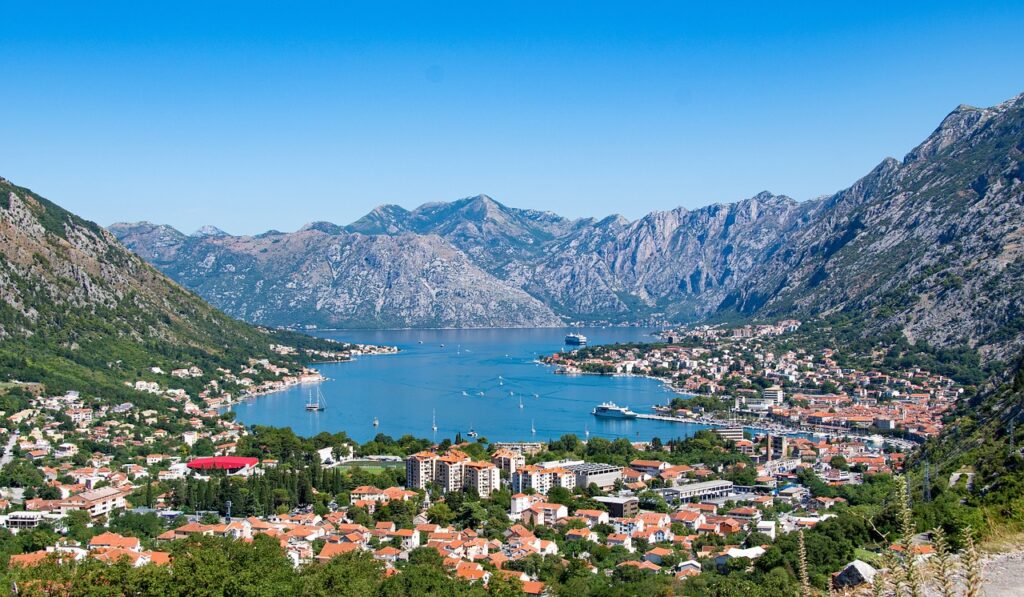
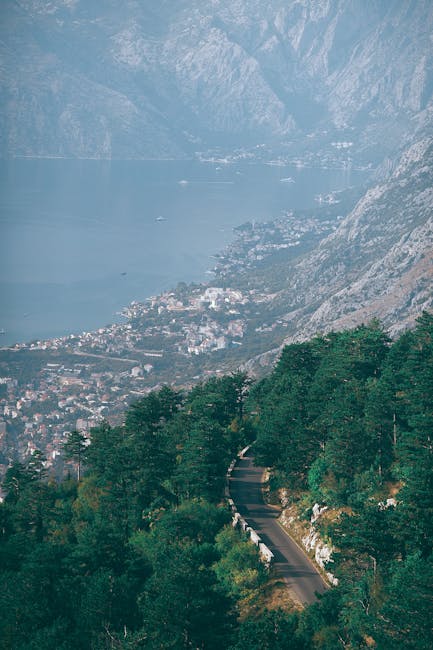
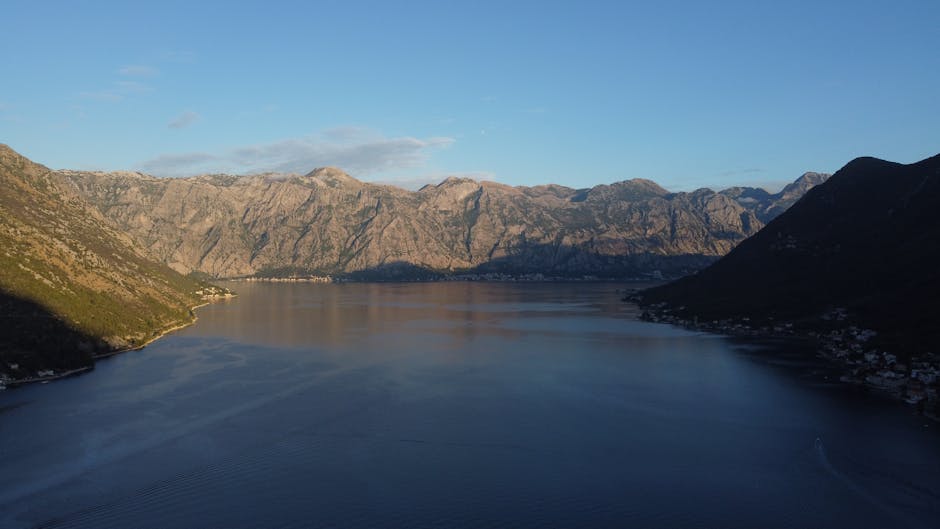
Montenegro, a small country tucked between mountains and the Adriatic, is home to two of the coastline’s best-known spots: Kotor and Budva. Less than an hour’s drive apart, these towns take on very different personalities depending on the time of year. Kotor charms with its medieval old town, epic fortifications and intimate setting at the head of the Bay of Kotor (Boka Kotorska). Budva, on the other hand, is synonymous with beaches, lively nightlife and modern resort life — think Stari Grad (the fortified old town), the Riva promenade and popular beaches like Mogren and Jaz. Knowing how each place changes through the seasons will help you choose not only when to go, but also how to plan your itinerary, pace your trip and set your priorities.
This in-depth guide compares Kotor and Budva season by season — spring, summer, autumn and winter — covering local atmosphere, which attractions are open, cultural events, typical weather, price and schedule expectations, plus practical local tips to get the most out of your visit. You’ll find exact addresses, indicative prices in euros (€), usual opening hours, vivid descriptions to help picture each time of day and logistical recommendations (transport, accommodation, restaurants). Whether you’re after peace and quiet, swimming, partying or heritage discovery, this seasonal comparison will help you decide between Kotor’s picturesque intimacy and Budva’s beachy buzz — or plan a trip that combines both with optimal timing.
We’ll also point out when to avoid crowds, the best windows for photography (sunrise/sunset), and how to set expectations based on seasonal pricing (hotels, restaurants, services). Recommendations include specific addresses: monuments, museums, beaches, harbors and restaurants, with price ranges and typical hours — useful info to prepare bookings and daily plans. Finally, practical local tips (best viewpoints, recommended time to climb Kotor’s walls, where to watch Budva’s sunset, how to catch the boat to Our Lady of the Rocks) will help you make the most of every season and every moment of your stay.
Spring (March–May): gentle awakening and discovery — who gets the edge?
Spring is a transition period: the weather gets milder, the landscape colors up and the summer crowds haven’t yet arrived. Between March and May, Kotor and Budva offer very different but complementary experiences.
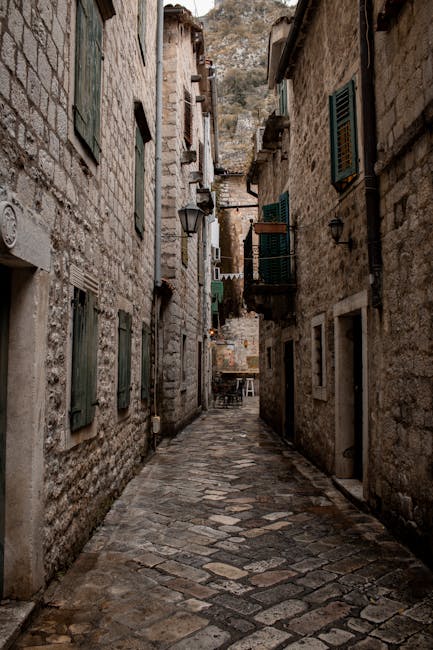
Kotor (edge: cultural calm). In spring Kotor slowly comes back to life. Temperatures typically range from 12°C to 20°C in April–May, with many sunny days but cool mornings and evenings. It’s the perfect time to explore Kotor’s medieval old town without the cruise-ship crowds. Address: Stari Grad, 85330 Kotor, Montenegro. Main sites are accessible:
- Saint Tryphon Cathedral (Katedrala Svetog Tripuna) — Address: Trg od Oružja 6, Stari Grad, 85330 Kotor, Montenegro. Typical hours: 09:00–17:00 (April–October), admission: around €3 to visit the nave and treasury. Description: Romanesque architecture, the saint’s reliquary, a hushed atmosphere.
- St. John’s city walls and fortress (Kotor City Walls) — Entrance from the stairway near the main gate in Stari Grad. Hours: roughly 07:00–19:00 in spring. Price: €8–10 depending on season. Description: a steady climb with panoramic views over the bay, ideal at sunrise for soft light and few people; allow 1.5–2 hours round trip depending on pace and photo stops.
- Kotor Maritime Museum — Address: Dobrota 4, Stari Grad, 85330 Kotor, Montenegro. Hours: 09:00–17:00, price: ~€6. Description: a rich collection of navigation artifacts and the maritime history of the Boka.
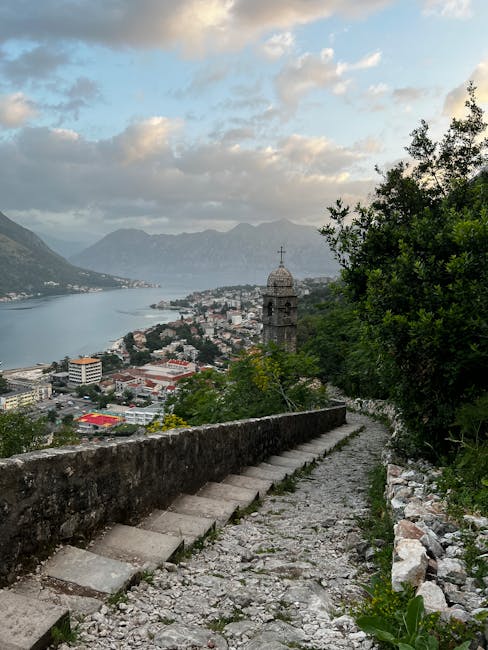
Local tips for Kotor in spring: start early for the walls climb (07:00–09:00); have lunch in a traditional konoba to try seafood rice (rizići) — Konoba Scala Santa, Address: Stari Grad 18, 85330 Kotor, Montenegro, usually open 12:00–22:00, dishes €8–18.
Budva (edge: early beaches and gentle activity). Budva starts to wake up in spring, especially in May. Temperatures are often a bit warmer than Kotor on the southern coast, ranging from 14°C to 22°C. Beaches become accessible, some cafés and restaurants along the Riva open up gradually, and prices remain moderate before high season.
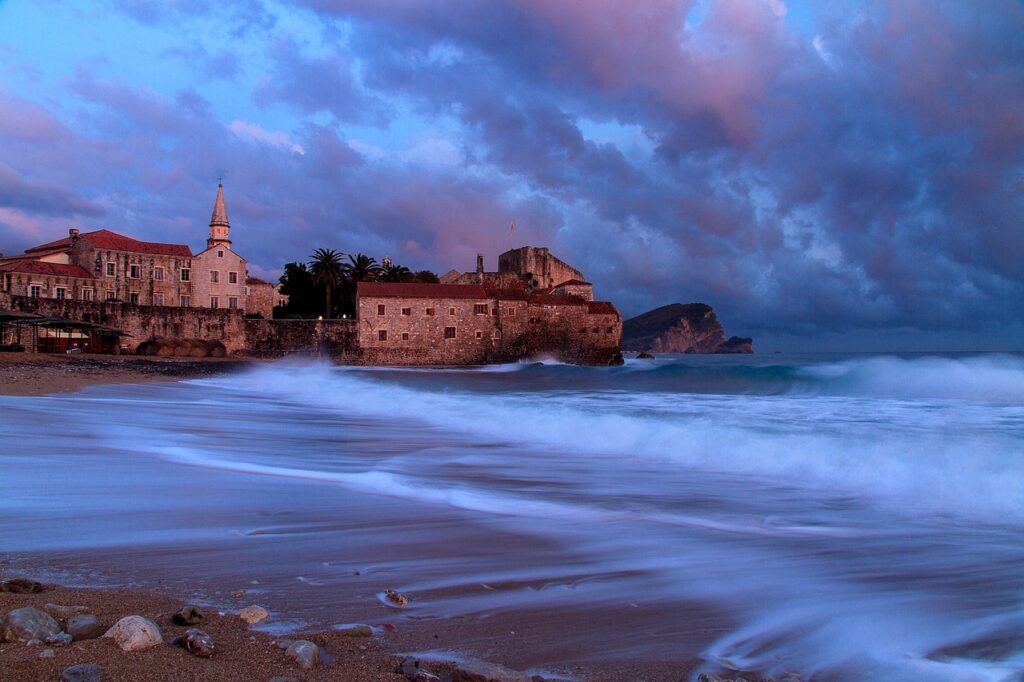
- Budva Old Town (Stari Grad Budva) — Address: Stari Grad, Budva 85310, Montenegro. Always open (pedestrian area), free to explore. Description: cobbled alleys, artisan shops, small shaded squares.
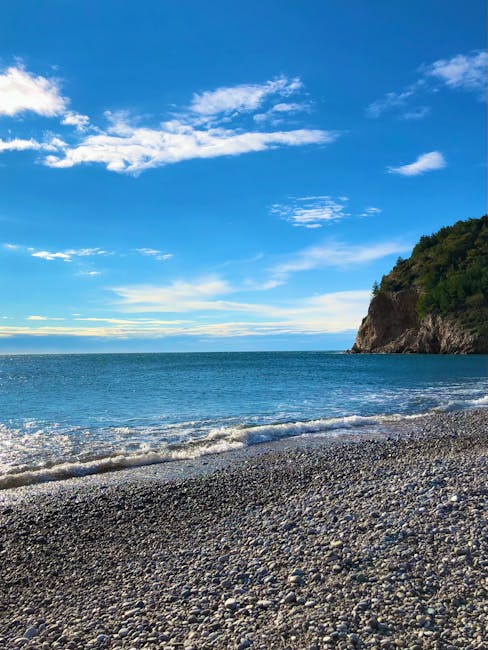
- Mogren Beach (Plaža Mogren) — Address: Mogren Beach, Budva 85310, Montenegro. Access via steps from the old town. Open access; sunbeds payable from €6–12 per day in May. Description: a rocky cove with clear water, perfect for the season’s first swim if the temperature allows.
- Jaz Beach — Address: Jaz Beach, Budva 85315, Montenegro. Hours: beach open, cafés and car parks operating at weekends in spring. Description: a long pebble stretch, venue for concerts and events (program often announced for summer). Parking may be paid, around €3–5 per day.
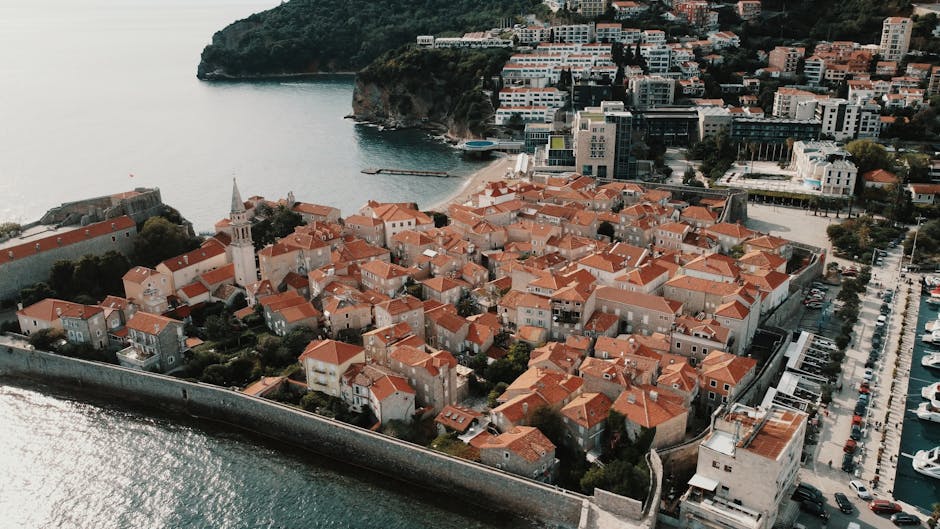
Local tips for Budva in spring: take advantage of lower prices to book accommodation close to the beach; enjoy the first terraces along the Slovenska Obala promenade. Recommended restaurant: Jadran Kod Krsta, Address: Slovenska Obala 3, 85310 Budva, Montenegro. Hours: 11:00–23:00, seafood dishes €12–30.
Comparison: in spring Kotor is perfect for calm cultural visits and fortress hikes, while Budva offers a gentle coastal preview for those who want early swims and relaxed evenings. If you want serenity and great architectural light for photos, pick Kotor; if you want your first dips and a livelier atmosphere, choose Budva.
Summer (June–August): high season, popular beaches and lively nights
Summer is the undisputed high season on Montenegro’s coast. June, July and August bring heat, long days and growing crowds. But the vibe differs hugely between Kotor and Budva.
Kotor (edge: spectacular setting but busier). Cruise passengers, tour groups and day-trippers significantly increase foot traffic. Temperatures range from 25°C to 35°C with little rain. The upside is that all sites and attractions are fully open and events are frequent — classical concerts or local festivals pop up in the old town.
- Walls/fortress climb — Extended hours: often 07:00–20:00 in summer. Price: €8–10. Tip: go very early (before 08:00) or after 18:00 to avoid both heat and crowds; late in the day you get golden light over the bay.
- Day trip to Perast and Our Lady of the Rocks — Perast Address: Perast 85333, Montenegro. Boats depart from Perast harbour (Perast Pier). Round-trip tickets to Our Lady of the Rocks: €6–10 depending on boat and season. Boat hours: more frequent — typically 09:00–18:00 in summer. Description: a small baroque village with pastel facades and island views.
- Restaurants and prices — Example: Restaurant Galion, Address: Cattaro Marina, Obala Kralja Nikola I 5, 85330 Kotor, Montenegro. Hours: 12:00–23:00. Seafood mains: €15–35. Booking is recommended in July/August.
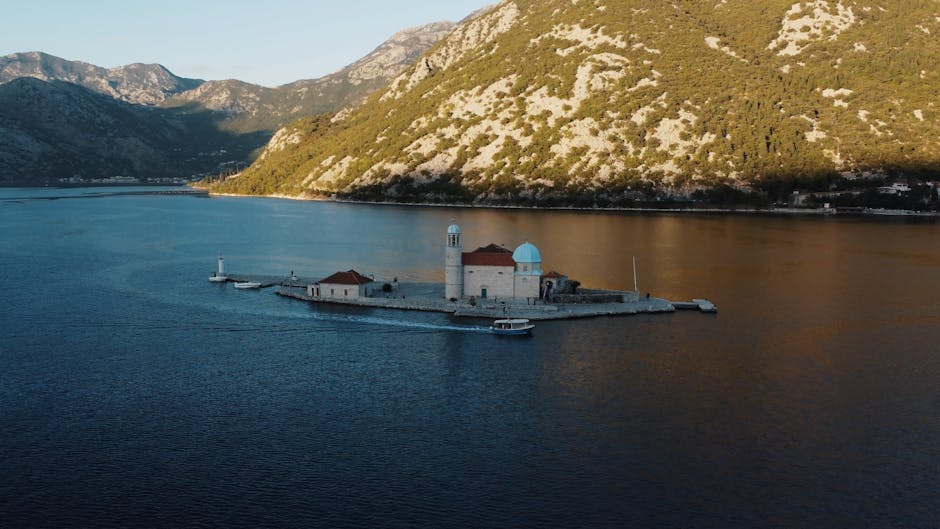
Practical tips for Kotor in summer: book accommodation well in advance (prices can double or triple), bring water and a hat for the fortress climb, and prioritize morning visits. If you want to avoid cruise crowds entirely, visit in the evening or stay in neighboring villages like Dobrota (general address: Dobrota, Kotor Municipality) for a quieter stay.
Budva (edge: nightlife and beaches, very lively). Summer turns Budva into one of the Adriatic’s most dynamic beach destinations. Beaches are packed, clubs and bars along the Riviera host international DJs and festivals, and events go full throttle. Temperatures mirror Kotor’s, often a touch higher in August.
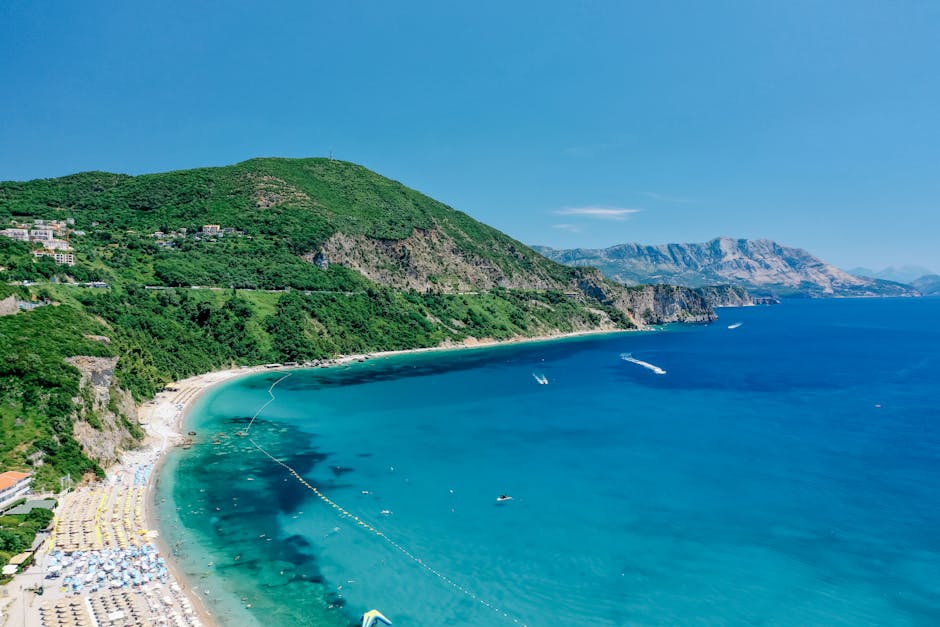
- Budva Riviera and beaches — Slovenska Obala (promenade), general address: Slovenska Obala, Budva 85310, Montenegro. Sunbeds: €8–20 per day on private beaches (Mogren, Slovenska); some places include drinks or towels. Public beaches are free but fill up at peak times.
- Sveti Stefan (viewing and access) — Address: Sveti Stefan, 85315 Pržno, Montenegro. The islet-hotel (Aman Sveti Stefan) is private; entry is restricted to hotel guests. Description: spectacular views from the coastal road and public viewpoints. Nearby beaches: Pržno Beach (public), free access, parasols €6–15.
- Budva Citadel & nightlife — Citadel Address: Prijeka Street, Stari Grad, Budva 85310, Montenegro. Hours: 10:00–22:00. Citadel entry: ~€3–5 depending on exhibitions. Clubs and bars along the promenade (Top Hill Club, address: Reževići – Top Hill, Budva area) often charge entry or host themed nights (drinks €5–15).
Practical tips for Budva in summer: reserve restaurants and club entries ahead, arrive early to the beach (07:00–10:00) to secure free spots, and check festival schedules (Budva Summer Festival usually runs June–August). Beach parking is paid — expect €3–10 per day depending on proximity.
Comparison: if you’re after parties, beaches and a full-on summer vibe, Budva is the obvious pick in summer. If you prefer a mix of history and dramatic coastal scenery, Kotor delivers both but you’ll need to cope with crowds. For photographers, Kotor offers more dramatic bay compositions, while Budva shines for beach scenes and sea sunsets.
Autumn (September–November): mild weather, harvest colors — the best compromise?
Autumn in Montenegro is often underrated. September can still feel summery, and October and November grow cooler but remain great for off-season visits. This is frequently the best time to combine Kotor and Budva: fewer crowds, lower prices and generally pleasant weather, especially in September and early October.
Kotor (edge: soft light and cultural activities). In September and into mid-October, the Bay of Kotor often enjoys excellent weather — temperatures from 18°C to 26°C — ideal for hiking, boat trips and local tastings. Autumn’s gentler light flatters the old town’s stonework and the surrounding foliage.
- Boat trips and islands — Boat operators to Perast and Our Lady of the Rocks remain active: departures from 09:00 to 17:00, prices €6–12. Tip: in September favor late-afternoon departures for calmer seas and golden light.
- Events — The cultural calendar often includes small conferences, concerts and exhibitions in Kotor (especially in September). Check the tourist office: Kotor Tourist Board, Address: Trg od Oružja 1, Stari Grad, 85330 Kotor, Montenegro. Hours: 09:00–17:00, closed Sundays in low season.
- Food & wine — Seasonal produce: migratory fish, local wines (from Podgorica and nearby Crmnica). Autumn tasting menus in konobas — average dish: €8–20.
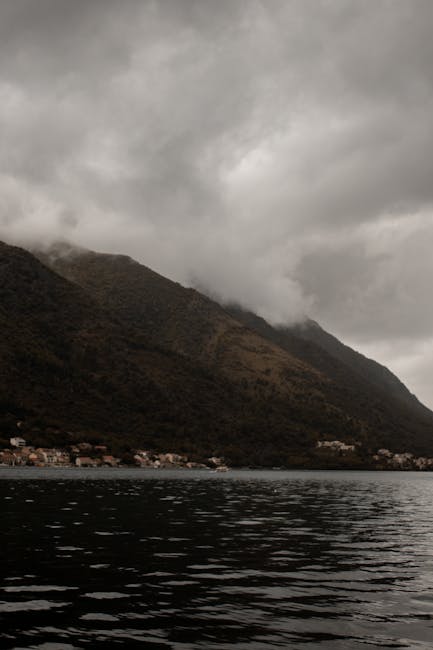
Practical tips for Kotor in autumn: rent a car to move easily between Boka villages (Dobrota, Perast), take advantage of lower accommodation rates (20–40% off compared with July/August) and pack a light jacket for seaside evenings.
Budva (edge: beaches still doable in early September, calmer afterwards). In September Budva often enjoys warm sea temperatures (22–25°C): pleasant swimming, fewer people and a more relaxed beach atmosphere. From October the tourist rhythm drops sharply, many clubs close, but the old town keeps its cafés and restaurants open.
- Beaches in autumn — Mogren, Slovenska, Jaz remain accessible. Sunbed prices in September: €5–15; in October there are fewer services and often no beach staff.
- Hikes and viewpoints — Coastal walks (St. Stefan viewpoint trail) are especially nice with autumn foliage and comfortable walking temperatures. Parking & access are usually free. Walk duration: 30–60 minutes to the main viewpoint.
- Restaurants and prices — Low season brings better restaurant deals. Example: Restaurant Porto, Address: Štamparska bb, Budva 85310, Montenegro. Hours: 12:00–23:00 (may reduce in November), mains €10–25.
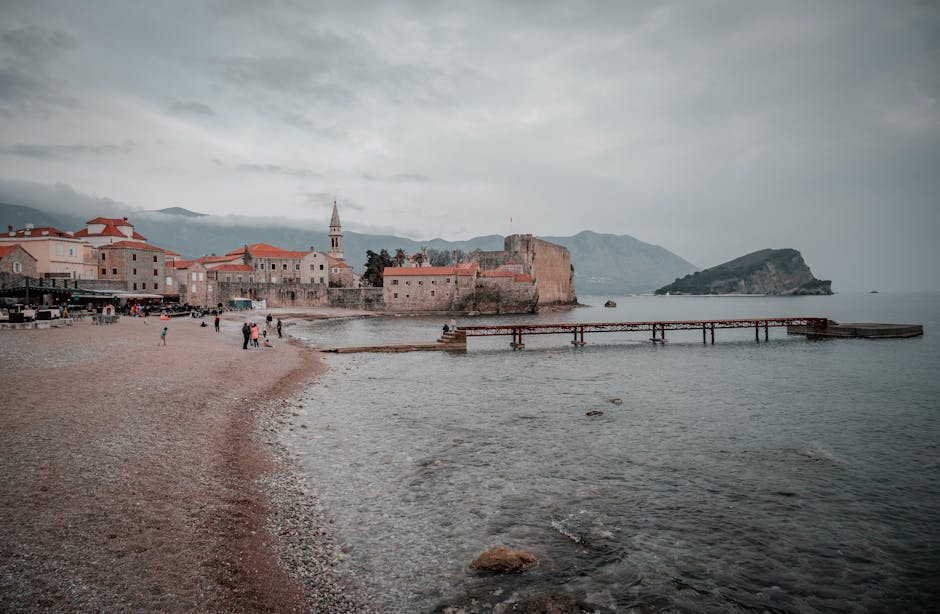
Practical tips for Budva in autumn: September is perfect for mixing beach time and sightseeing. In October–November focus on exploring the old town, coastal walks and trips to Sveti Stefan for dramatic photos. Traffic and parking are easier off-season.
Comparison: autumn (especially September) is the best compromise to visit Kotor and Budva together: the sea is still warm, crowds thin out, prices drop and the light is superb for photography. If you want to avoid crowds and still swim, plan for late September–early October. For a tranquil, culture-focused autumn break, Kotor is ideal; for relaxed seaside time with easy restaurant access, stay in Budva.
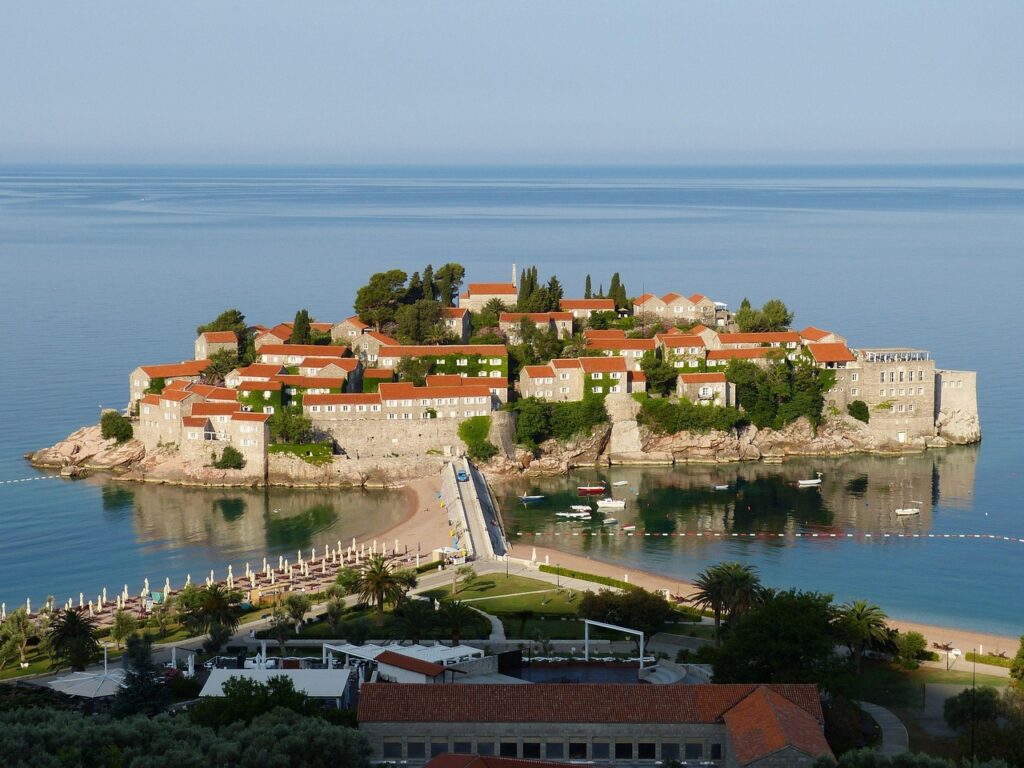
Winter (December–February): quiet, local atmosphere and off-season discoveries
Winter on the Montenegrin coast is mild compared with Northern Europe but still cool and occasionally rainy. December to February sees a big drop in international tourism: many services scale back, some hotels and restaurants close, but it’s a genuine chance to experience local life and visit sites without queues.
Kotor (edge: local immersion and tranquility). In winter Kotor is largely a town of residents. Average winter temperatures range from 5°C to 12°C. Days are shorter but the deserted old lanes are highly photogenic. Many indoor visits remain possible:
- Saint Tryphon Cathedral — Winter hours often reduced (09:00–15:00). Admission: ~€3. Benefit: quiet visits and the chance to attend local services.
- Maritime Museum — Hours may be limited: check ahead (often 10:00–14:00). Price: ~€6.
- Hiking — The walls are open but watch the weather (wind, rain). Hours: often 08:00–16:00, entrance: €6–10 depending on management. Bring warm clothes and sturdy shoes.
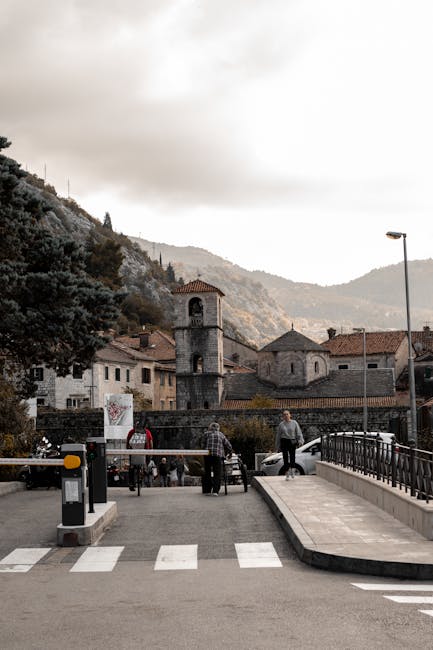
Local tips for Kotor in winter: contact the tourist office and restaurants in advance to confirm opening times (many close certain days in low season). Taxis and buses run but less frequently — allow for private transfers from Tivat airport (TGD/Tivat -> Kotor: taxi €20–30, journey ~20–30 minutes depending on traffic).
Budva (edge: low prices and peaceful coast, but nightlife largely paused). Budva is very quiet in winter. Clubs and most beach facilities are closed. Still, the old town keeps some cafés open and a few restaurants welcome locals and intrepid visitors.
- Old Town and Citadel — Reduced hours (Citadel often 10:00–16:00), entry: ~€3–5. Visiting offers a deep dive into history with almost no mass tourism.
- Access to Sveti Stefan — The islet is visible from the coast; Aman hotel maintains minimal activity. Public viewpoints are free and great for dramatic winter photos.
- Transport — Intercity buses Budva–Kotor operate but less frequently in winter (tickets €3–5). Taxi Budva–Tivat airport: €20–35 depending on season and luggage.
Practical tips for Budva in winter: take advantage of deep hotel discounts (sometimes 40–60% off summer rates), book restaurants in advance for weekend nights, and plan day trips to Cetinje or Njeguši to taste mountain cuisine (cheeses, smoked ham).
Comparison: winter favors Kotor for an immersive, calm cultural experience, while Budva offers low prices and an almost deserted coast ideal for refreshing walks. For travelers who want to avoid crowds completely and experience authentic local life, winter is a rare and rewarding time to visit.
Year-round practical tips: transport, accommodation, safety and budgets
Transport:
- Airport access — Tivat Airport (TIV/Tivat) is the closest to Kotor (Address: Tivat Airport, Donja Lastva, 85320 Tivat, Montenegro). Shuttles, taxis and buses: taxi Tivat–Kotor ~€15–25 (15–20 minutes), taxi Tivat–Budva ~€20–30 (20–30 minutes). Podgorica Airport (TGD/Podgorica) is about a 90-minute drive.
- Intercity buses — Kotor–Budva line: high frequency in summer, reduced off-season. Price: €3–5 per trip. Check local ticket offices for same-day schedules.
- Car hire — Book in advance for summer; coastal roads are narrow but well maintained. Price: €25–60/day depending on season and car class.
Accommodation and budgets:
- Kotor — Hostels and family guesthouses: €25–60/night in low season; boutique hotels and apartments: €60–180/night in summer. Example: Palazzo Radomiri Suites, Address: Stari Grad 51, 85330 Kotor. Rates vary by season.
- Budva — Beach hotels and club properties: €40–250/night in high season; budget stays: €20–50/night off-season. Book early for July/August.
Safety & health:
- Montenegro is generally safe. Keep an eye on belongings on busy beaches in summer.
- Cash and cards: the euro (€) is the official currency — convenient, but carry small notes for minor purchases; most places accept international cards.
- Travel insurance is recommended, especially if you plan hikes or water activities.
Photo tips and timing:
- For Kotor: sunrise above the walls (06:00–07:30 depending on season) for people-free shots; sunset near Perast yields incredible colors.
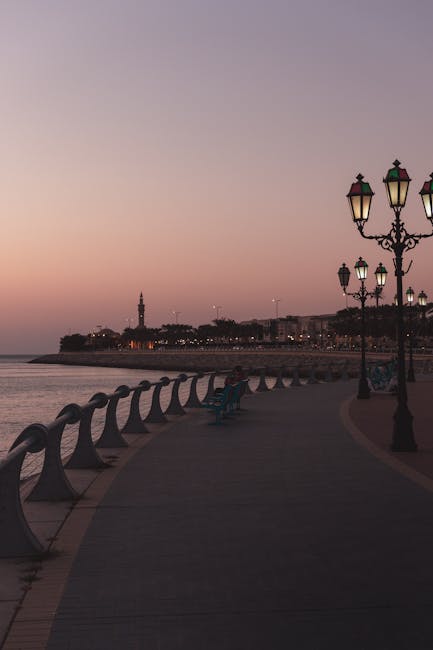
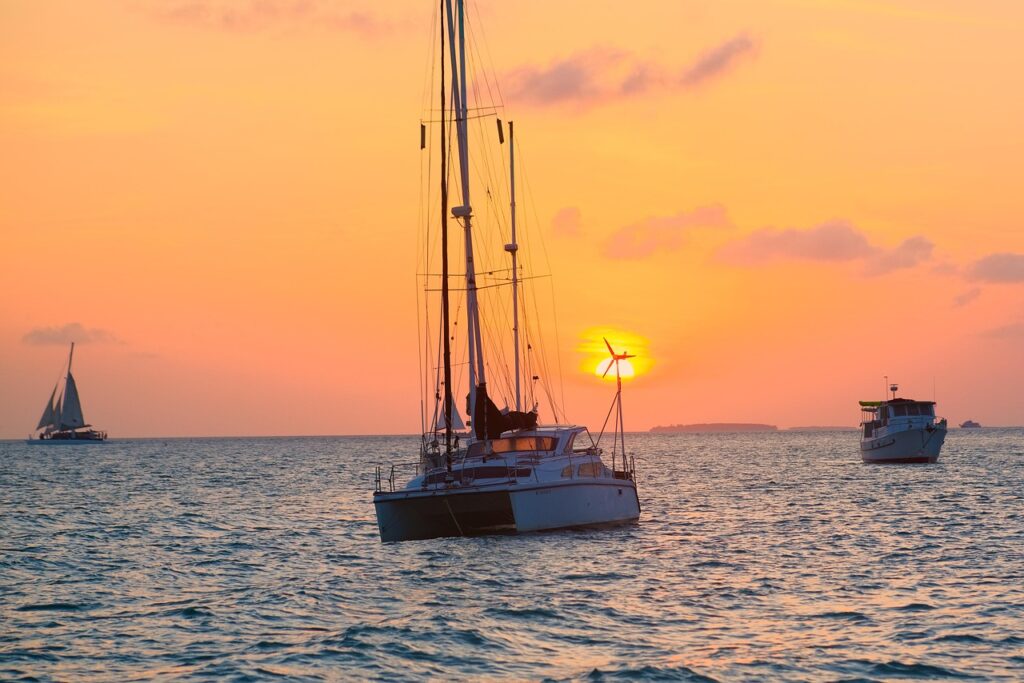
- For Budva: sunset from the Slovenska Obala promenade or the Sveti Stefan viewpoint. Beaches are most photogenic early morning or after 18:00 in summer.
Season-by-season recap: which town to choose based on your priorities?
Here’s a quick summary to help you decide fast:
- Spring (March–May) — If you prioritize cultural quiet, hikes and monument visits, choose Kotor. If you want a light beach/city mix with early swims and easier access, choose Budva (especially May).
- Summer (June–August) — For beaches, parties, concerts and nightlife: Budva. For dramatic scenery, boat trips and historic heritage (but with crowds): Kotor.
- Autumn (September–November) — Best compromise: September is ideal to combine Budva (late swims) and Kotor (calm and beautiful light). October–November favor cultural visits and lower prices.
- Winter (December–February) — For local immersion, low prices and total calm: Kotor. Budva remains somewhat alive but most nightlife is paused.
Conclusion — Kotor or Budva: the right season depends on the vibe you want
Choosing between Kotor and Budva basically comes down to what you expect from a Montenegro trip. If you’re focused on heritage discovery, architectural photography and an intimate seaside setting, Kotor shines in spring and autumn. Its medieval old town (Stari Grad, Trg od Oružja 1, 85330 Kotor), Saint Tryphon Cathedral (Trg od Oružja 6) and the climb up St. John’s fortress offer memorable experiences, especially off-season. Wall entrance fees (€8–10) and museum prices (€3–6) remain reasonable and the panorama over Boka Kotorska is unmatched.
Budva, meanwhile, is the quintessential beach destination: beaches (Mogren Beach, Slovenska Obala, Jaz Beach), nightlife and summer festivals create a dynamic atmosphere, especially in July–August. If your priorities are swimming, partying, clubs and long beach days, summer in Budva is hard to beat. In September Budva mellows and becomes ideal for those who want both swimming and sightseeing, while in winter the town quiets down — an option for travelers seeking rest and good deals.
Final practical tip: if your schedule allows, combine both towns to enjoy their contrasts. For example, a September trip could start with a few days in Budva to enjoy the still-warm sea, then move to Kotor for hikes, cultural visits and bay sunsets. Transfers cost about €3–5 by bus or €20–40 by taxi (Tivat airport transfers: €20–35). Book summer nights well in advance and be flexible off-season to score the best offers.
Finally, don’t forget these useful addresses and contacts:
- Kotor Tourist Board — Trg od Oružja 1, Stari Grad, 85330 Kotor, Montenegro. Hours: 09:00–17:00 (seasonal).
- Perast Harbour (boat departures) — Perast 85333, Montenegro. Boats to Our Lady of the Rocks, tickets €6–10.
- Jadran Kod Krsta (Budva restaurant) — Slovenska Obala 3, 85310 Budva, Montenegro. Hours: 11:00–23:00, mains €12–30.
- Konoba Scala Santa — Stari Grad 18, 85330 Kotor, Montenegro. Hours: 12:00–22:00, dishes €8–18.
Whether you seek medieval calm, beach parties or a mix of both, Kotor and Budva each have seasons when they perform at their best. Plan around the atmosphere you want, check opening hours and bookings ahead, and get ready to be surprised by the variety of this remarkable coastline.