





Introduction — Kotor vs Budva: first visit to Montenegro, why this choice matters
Montenegro, a compact country hugged by the Adriatic Sea and the dramatic mountains of the Balkans, is drawing more and more travelers looking to mix medieval heritage, Mediterranean beaches and alpine scenery. If you’re planning your first trip to Montenegro, the big question often becomes: should you base yourself in Kotor or in Budva? These two iconic towns share the coastline and a maritime past, but they deliver noticeably different experiences. Picking the right base affects not only the vibe of your stay, but also travel times, your budget and what you’ll prioritise (culture, beaches, nightlife or day trips).
In this practical, in-depth comparison I lay out the strengths and limits of Kotor and Budva: exact sights, precise addresses, prices in euros, typical opening hours, useful routes and local tips to get the most from your first visit. The aim is to give you a clear, factual and sensory foundation so you can decide intentionally—whether you’re into medieval architecture, landscape photography, budget backpacking, a romantic getaway or a family-friendly beach trip.
You’ll find immersive descriptions of key spots like the Old Town of Kotor (Stari Grad) and the climb along Kotor’s famous city walls, Mogren Beach and Budva’s Citadel, plus practical recommendations: how to get from Tivat Airport (TIV), how much an intercity bus ticket costs, and opening times for major sites. The guide also includes suggested day itineraries and local advice—for example where to eat to avoid tourist traps, when to visit for the best photos, and which boat trips are actually worth it.
Finally, to keep this text as visual as possible without embedded galleries, I’ve inserted image markers 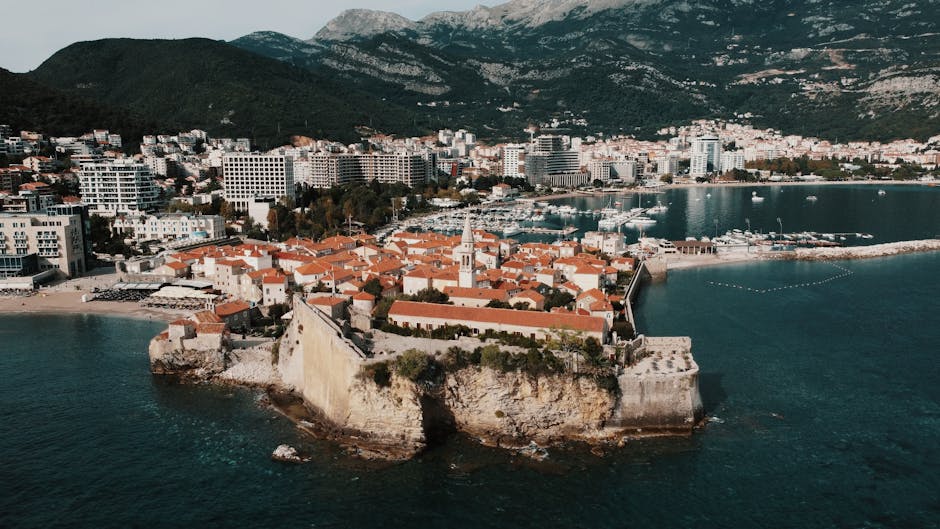 at key places in the text: these cues will help you immediately picture perspectives, colours and photo compositions (old quays at sunset, sunlit cobbled alleys, rampart panoramas, crystal-clear beaches). Get ready to compare Kotor and Budva in a pragmatic and sensory way so you can pick the town that best suits your first glimpse of Montenegro.
Kotor: medieval charm, a dramatic bay and a quieter cultural vibe
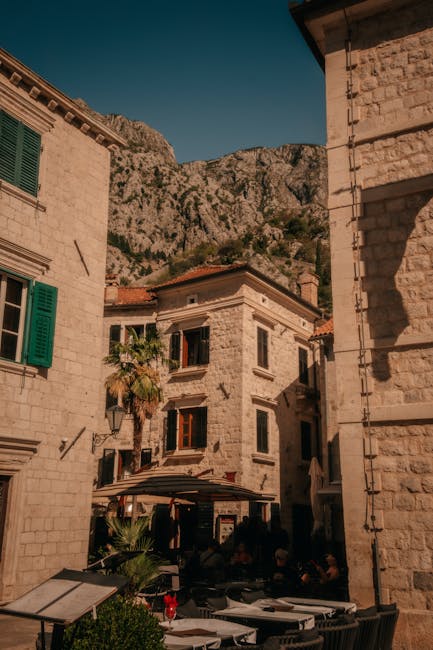
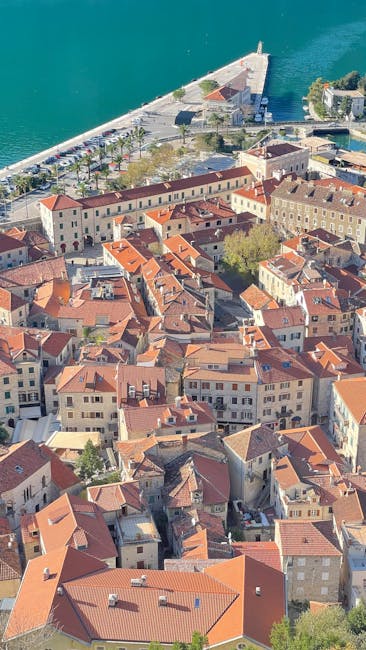
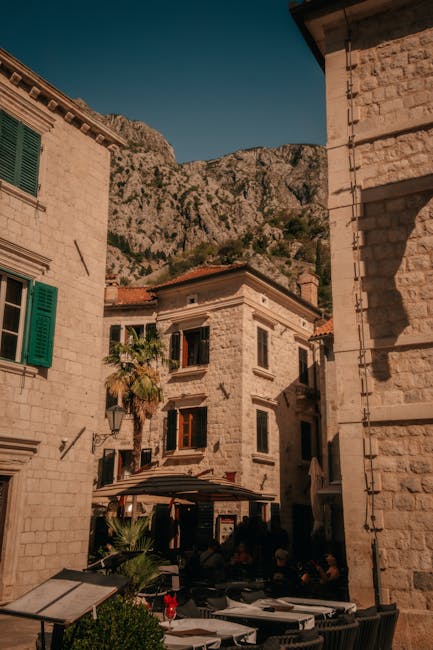
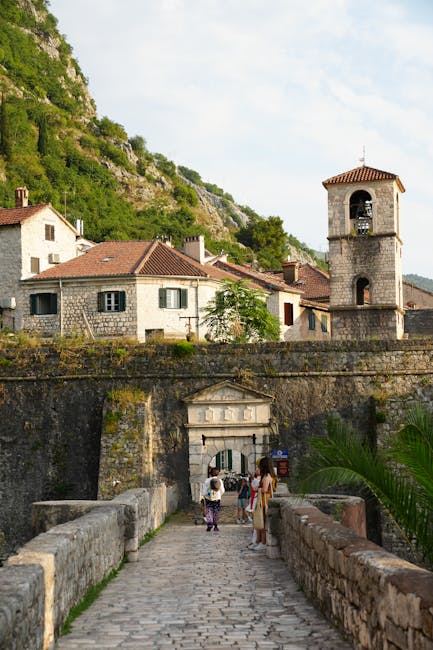
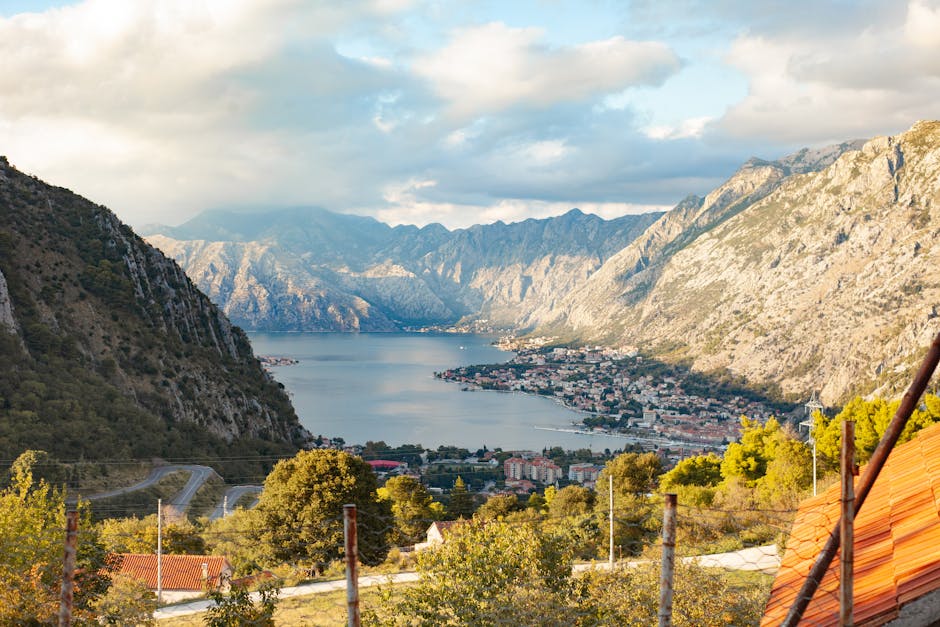
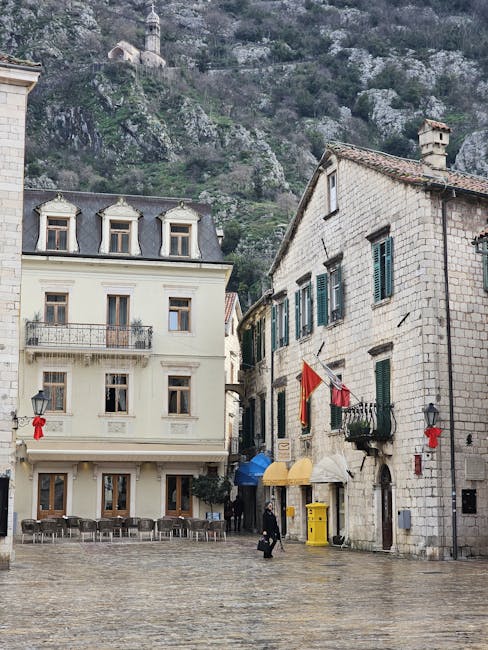
Kotor is often seen as the most “authentic” destination on Montenegro’s coast. Nestled at the head of the spectacular Bay of Kotor (Boka Kotorska), the town is a UNESCO World Heritage site for its fortified old town, medieval churches and narrow lanes. The Old Town of Kotor (Stari Grad) centres around the symbolic address Trg od Oružja 1, 85330 Kotor, Montenegro — a pedestrian area where you can wander easily between squares, palaces and small museums.
Highlights:
- Kotor City Walls — Climb: wall trail from the Old Town up to the Saint John (San Giovanni) fortress. Starting point: Vrata od Mora, Stari Grad, 85330 Kotor. Hours: typically 07:00–19:00 in high season (May–Sep); check locally in low season. Price: around 8 EUR per adult (subject to change). The ascent rewards you with unbeatable views over the bay and terraced villages.
- Maritime Museum of Montenegro — Trg od Oružja 2, 85330 Kotor. Hours: 09:00–16:00 (high season 09:00–18:00). Price: about 6 EUR. A rich display on local naval history and the Boka’s seafaring traditions.
- Cathedral of Saint Tryphon (Katedrala Svetog Tripuna) — Trg Sv. Tripuna, 85330 Kotor. Hours: 08:00–19:00 (may vary with religious services). Entry usually free; small donation recommended.
Vibe and crowd: Kotor attracts visitors after history, landscape photography and relaxed itineraries. Cafes and taverns serve carefully prepared local food (try Montenegrin kačamak or fresh fish dishes). Practical tip: arrive early in the Old Town (before 09:30) to beat cruise-day crowds. Cruise ships anchor in the bay and the busiest hours are often 10:30–16:00, especially in July and August.
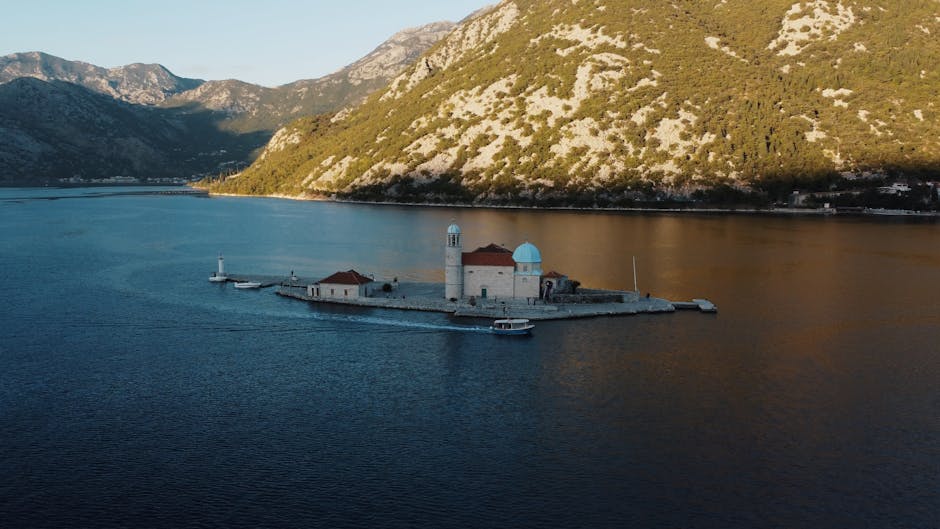
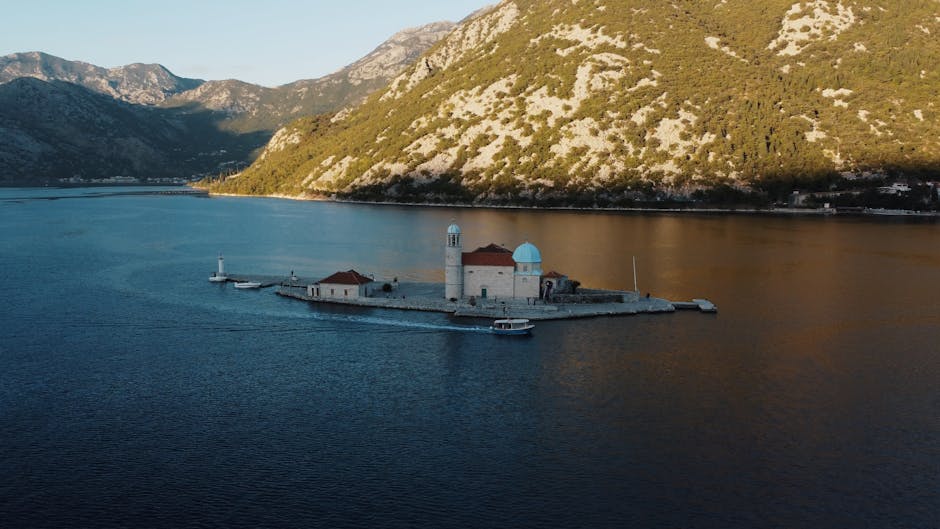
Getting there and logistics: from Tivat Airport (TIV), Kotor is about 8–12 km (10–20 minutes by car). Tivat airport taxi to Kotor: roughly 20–30 EUR depending on time and luggage. Bus Tivat → Kotor: regular service, ticket about 2–3 EUR (buy at the kiosk or from the driver). For bay excursions (Perast, Our Lady of the Rocks), boat departures are at Perast (address: Perast, Boka Kotorska); prices for short cruises: 6–15 EUR depending on destination and season.
Local tips for Kotor:
- Do the city-wall climb early or late afternoon for softer light and fewer people.
- For an authentic meal try « Konoba Scala Santa », address: Trg od Oružja 7, 85330 Kotor — fish dishes 8–18 EUR per plate, open 11:00–23:00.
- Book in advance if you want a private guide for the bay (private guide roughly 40–70 EUR for 3–4 hours).
Budva: beaches, lively nightlife and beach-focused convenience
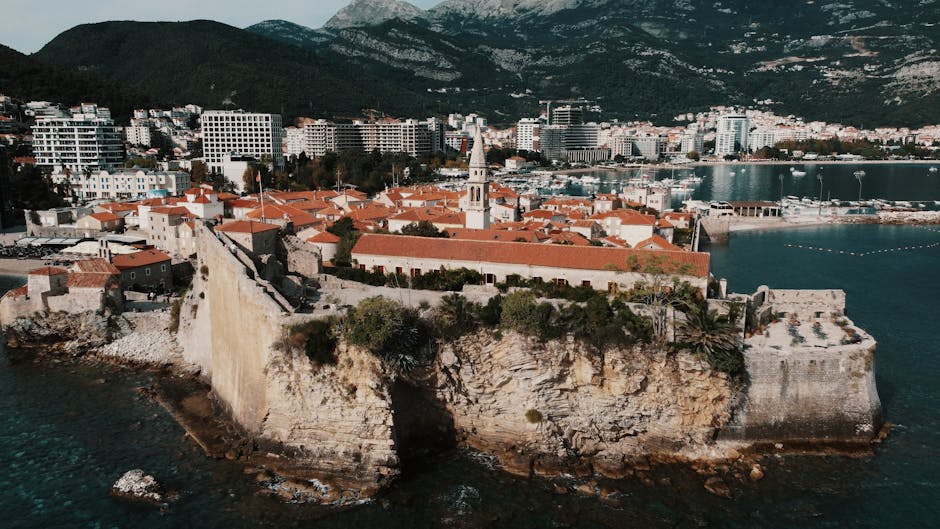
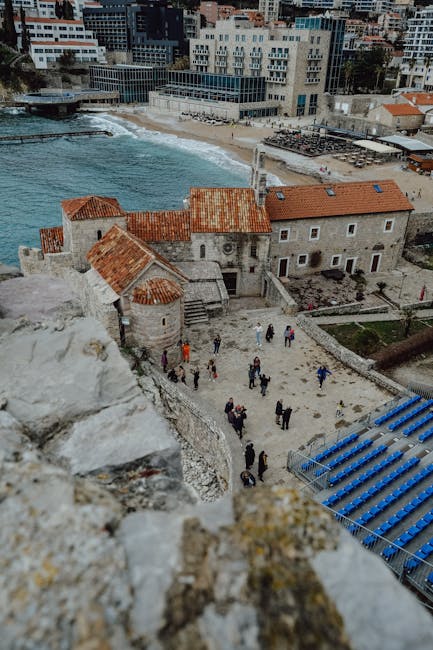
Budva is Montenegro’s main seaside resort, known for beaches, nightlife and a bustling waterfront. Budva’s Old Town (Stari Grad, Budva) centres around Stari Grad, 85310 Budva, and is notable for its walls, charming lanes and the Citadel (Citadela). Budva feels more like a traditional beach holiday destination than Kotor, with a wide network of hotels, bars and restaurants catering to European tourists.
Highlights:
- Mogren Beach (Plaža Mogren) — Access: Mogren Beach, 85310 Budva. Two small coves separated by a pedestrian tunnel, clear water and fine pebbles. Hours: beach open 24/7 (areas with paid sunbeds). Sunbed prices in high season: 8–15 EUR per day for a pair (varies by location).
- Budva Citadel — Ul. Stari Grad 1, 85310 Budva. Hours: 09:00–20:00 (high season). Price: around 3–5 EUR to enter and walk the ramparts; the terrace gives direct sea views and nearby islands.
- Shows, bars and clubs — The promenade (Riva) and Slovenska Plaza host bars and clubs. For example: « Top Hill » (an open-air club on the plateau above town) is a famous venue; summer shuttles run from the town centre, entrance fees usually 10–25 EUR.
Accessibility: Budva sits about 35–40 km from Tivat (roughly 25–40 minutes by car depending on traffic) and 60–70 km from Podgorica Airport (about 1h20 by car). Intercity buses run frequently in summer between Budva, Kotor and Podgorica; fares typically range 3–8 EUR depending on distance. Example route: Budva → Kotor by bus, multiple daily departures, journey 30–40 minutes, ticket ~3–4 EUR.
Vibe and crowd: Budva attracts families and younger travellers looking for swimming and entertainment. The Old Town, smaller than Kotor’s, is lovely in the morning and evening; during the day the coastal strip is busy and sometimes noisy. For a calmer stay, avoid July and August or head to less central beaches (beach-hopping to Jaz, Sveti Stefan or Trsteno).
Local tips for Budva:
- If you want a good lunch try « Konoba Porto » — Ul. Pizana 13, 85310 Budva. Fish plates 10–20 EUR. Open 11:00–23:00.
- For a quieter beach day take a taxi or bus to Jaz Beach (address: Jaz Beach, 85316 Budva), about 10 minutes by car; some organised areas charge for entry and sunbeds, which cost 6–12 EUR.
- The citadel is a great sunset photo spot; arrive 45 minutes early to catch the light and avoid bar crowds.
Comparing the experience: culture, beaches, access and budget
To choose between Kotor and Budva for a first visit, consider several practical and emotional factors. Below is a comparison across four axes: heritage & atmosphere, beaches & swimming, accessibility & transport, budget & services.
Heritage and atmosphere
Kotor is clearly heritage-focused: a larger Old Town, dramatic ramparts, museums and churches. The mood is quieter and better suited to cultural strolls. Budva, by contrast, mixes heritage (a charming Old Town) with a lively seaside scene; its historic centre is smaller, but the nightlife and waterfront restaurants define its reputation.
Beaches and swimming
If beaches are your priority, Budva wins: Mogren, Slovenska Plaza and Jaz offer a wide selection of spots, services and water activities (jet ski, diving). Kotor, while set in a stunning bay, doesn’t have large sandy beaches right next door; beach time there is more about boat excursions and small coves around Perast and Herceg Novi.
Accessibility and logistics
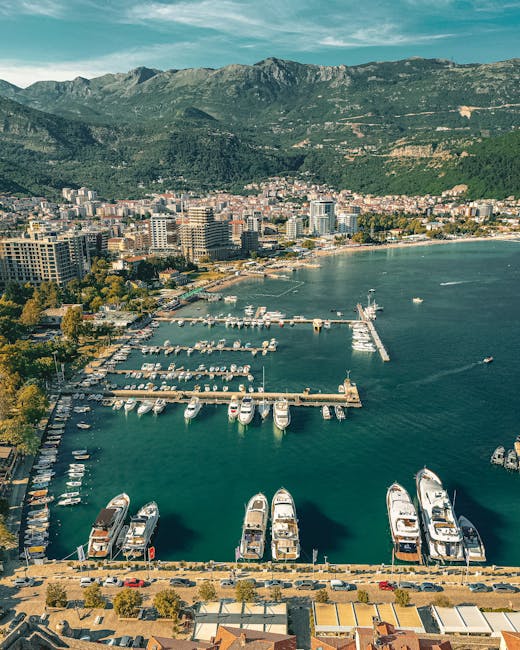
The two towns are close to each other (roughly 20–30 km, 30–45 minutes by car on the coastal road). Kotor is more convenient if you plan to explore the Boka Kotorska and want a base for mountain hikes (e.g., Lovćen National Park). Budva is better served for beaches, summer events and tourist services (excursion agencies, car rental). If you fly into Tivat (TIV), Kotor is closest (10–20 minutes); Budva is still reachable in about 25–40 minutes by road.
Budget and services
Generally, Kotor can be a bit cheaper for accommodation off-season if you’re after a guesthouse in the old centre; in high season prices rise sharply in both towns. Example ranges: mid-range accommodation in Kotor: 50–120 EUR per night; in Budva seaside hotels or apartments: 60–150 EUR per night (high season). Meals: mid-range restaurant 10–25 EUR per person, street food/simple meals around 5–8 EUR.
Practical tip: for a good compromise, stay in Kotor if you prioritise culture and tranquillity, and book a day or half-day in Budva for a big beach day and a lively evening. Conversely, if your trip is mainly about sunbathing and nightlife, choose Budva and make a day trip to Kotor (bus or car are both easy and quick).
Recommended itineraries: ideas for 1, 3 and 5 days
Here are some practical itinerary suggestions depending on how long your first visit lasts. I include addresses, typical hours and estimated budgets for each activity so you can plan effectively.
1 day — Quick escape (pick: Kotor or Budva)
If you only have one day for a first look:
- In Kotor: Morning — explore the Old Town (Trg od Oružja 1, 85330 Kotor), 2–3 hours; strolling is free, Maritime Museum (Trg od Oružja 2) 09:00–16:00, 6 EUR if you want a historical snapshot. Midday — lunch at « Konoba Scala Santa », Trg od Oružja 7 (meal 10–18 EUR). Afternoon — climb the walls (Vrata od Mora), 8 EUR, 1.5–2h. Evening — waterfront stroll and dinner.
- In Budva: Morning — Mogren Beach (Mogren Beach, Budva); free access. Midday — lunch on the Riva (e.g., Konoba Porto, Ul. Pizana 13, 10–20 EUR). Afternoon — visit the Citadel (Ul. Stari Grad 1), 3–5 EUR. Evening — drinks on the promenade or a club if it’s high season.
3 days — Balanced discovery
Sample plan: based in Kotor, day trip to Budva:
- Day 1 (Kotor): Old Town, Maritime Museum (6 EUR), city walls climb (8 EUR). Dinner in a historic setting.
- Day 2: Boat trip to Perast and Our Lady of the Rocks (Perast, Boka Kotorska — boats depart from Perast Old Harbor). Boat price: 6–12 EUR return, half-day trip. Return to Kotor for an easy evening.
- Day 3: Early departure to Budva (bus ~3–4 EUR, 30–40 min). Beach day (Mogren or Jaz), visit the Citadel late afternoon, return to Kotor or stay overnight in Budva depending on preference.
5 days — Deeper immersion
Base yourself in Budva or Kotor depending on your choice, with day trips:
- Day 1: Arrival and exploration of your chosen town (Kotor or Budva).
- Day 2: Boat trip on the Boka (Perast, Our Lady of the Rocks), 6–15 EUR.
- Day 3: Visit Lovćen National Park and the Njegoš Mausoleum (entry ~3–5 EUR, address: Njegoševa 1, Cetinje — arrange transport). Drive time: from Kotor ~1h30 by car.
- Day 4: Beach day at Jaz or Sveti Stefan (Sveti Stefan access near 85310 Pržno); some private beaches charge for entry/beds/towels (8–20 EUR).
- Day 5: Return, shopping in Kotor/Budva and departure from Tivat or Podgorica airport.
Must-know local tips and mistakes to avoid on your first trip
Here’s a summary of practical tips and common pitfalls to avoid so you make the most of your first visit to Montenegro:
- Avoid high season if you can — July and August bring crowds, higher prices and booking headaches. May–June and September–October offer pleasant weather and far fewer people.
- Local transport: buses are reliable but can be packed in summer; for flexibility consider renting a car (average price 30–60 EUR/day depending on season and model). Parking in Old Towns is limited and often paid — check with your hotel.
- Money and payments: the euro (€) is the official currency — convenient for European visitors. Credit cards are accepted in most hotels and restaurants, but carry cash for small purchases, local ferries and market stalls.
- Safety: Montenegro is generally safe; stay mindful of pickpockets in very touristy spots (bus stations, cruise quays) and keep an eye on belongings on crowded beaches.
- Local food: try regional produce: fresh seafood, smoked ham (pršut), Njeguši cheese and Montenegrin wines. Typical meal price: 8–25 EUR depending on the restaurant type.
- Respect places of worship: churches and monasteries require modest dress (shoulders and knees covered). Some churches do not allow photography inside.
- Book popular excursions (boat trips, Top Hill transfers, Lovćen tours) at least 24–48 hours in advance during high season.
Common mistake to avoid: confusing a beach holiday with a cultural getaway. Kotor and Budva cater to different expectations — but you can easily combine both by staying in one and day-tripping to the other.
Conclusion — Which town should you choose for your first visit to Montenegro?
In short, your choice between Kotor and Budva will come down mainly to your priorities. If you care about heritage, seascape photography and a quieter, more authentic feel, Kotor is an excellent starting point. The Old Town of Kotor (Trg od Oružja 1, 85330 Kotor), the city-wall climb (Vrata od Mora) and boat trips to Perast and Our Lady of the Rocks deliver a rich cultural and visual immersion. Costs are reasonable for museums (Maritime Museum ~6 EUR, wall climb ~8 EUR) and local transport is inexpensive (Tivat → Kotor bus ~2–3 EUR).
If your focus is beaches, seaside comfort, nightlife and tourist convenience, Budva is the better fit. Mogren Beach (Mogren, Budva) and the Citadel (Ul. Stari Grad 1, 85310 Budva) combine swimming and a touch of culture. The beaches, clubs and restaurants are geared toward mass tourism, which is ideal if you want lively evenings and easy facilities (sunbeds 8–15 EUR, frequent transport, a wide range of accommodation from 60–150 EUR per night in high season).
Practical recommendation for a first visit: if your schedule allows, try both — spend 2–3 nights in Kotor to explore the bay and the Old Town, then 1–2 nights in Budva to enjoy beaches and nightlife. Trips between the two are short (bus Budva ↔ Kotor ~30–40 min, ticket ~3–4 EUR), making a combined approach easy and effective.
Finally, remember Montenegro is a land of striking contrasts: rugged mountains, clear seas and stone villages. Whether you choose Kotor or Budva for your first visit, you’ll leave feeling like you’ve discovered a Mediterranean coast that’s both wild and well-cultivated. Plan your route with the hours above in mind (double-check outside high season), book popular trips in advance and give yourself time to wander — the best finds often come from lingering in a side street, popping into a small konoba, or staying a little longer at a viewpoint.