





Introduction: Montenegrin Crafts, a Mirror of Deep-Rooted Identity
Montenegro, a small Balkan state with dramatic scenery — steep mountains, Adriatic fjords and fortified old towns — preserves a rich craft heritage shaped by its history. Montenegrin crafts are far more than decorative objects: they are skills passed down through generations, costumes that tell stories of social status and belief, and motifs woven, carved or embroidered as a visual language for local communities. This guide takes you deep into those traditions: where to see, buy, understand and appreciate artisan work, with addresses, opening times, indicative prices and practical tips for the curious traveler.
At the heart of this world are historic centers like Kotor and Cetinje, family workshops in the mountains, and small galleries in Podgorica or Budva that showcase contemporary pieces inspired by tradition. Traditional costumes — known locally as « nošnja » — vary from region to region: elaborate embroidery, dyed fabrics, and silver ornaments. These details reflect the local ethnography: you can read Venetian, Ottoman and Austro-Hungarian influences, alongside a strong cultural preservation movement dating back to the 19th century.
Among the most representative objects are silver and copper filigree (highly prized for jewelry), utilitarian and decorative ceramics, woodworking (carved furniture, ritual objects), and weaving — rugs, belts, pouches — often made on traditional looms. Common symbols — geometric motifs, rosettes, stars, crosses or stylized animal forms — carry meanings of protection, family order or regional belonging. This guide doesn’t just list addresses: it explains how to read those symbols, recognize an authentic piece, and talk with artisans for a respectful, lasting purchase.
We include concrete places where you can witness these skills: national museums, workshops in old quarters, craft markets and renowned artisan shops. For each address you’ll find practical info — opening hours, entrance fees or price ranges for pieces, and local tips for bargaining without offending. Finally, suggested routes (a day in Kotor and Perast, an excursion to Njeguši, a visit to Cetinje) will help you plan a craft-focused itinerary.
1) Kotor and the Bay: Filigree Jewelry, Carved Wood & Coastal Costumes
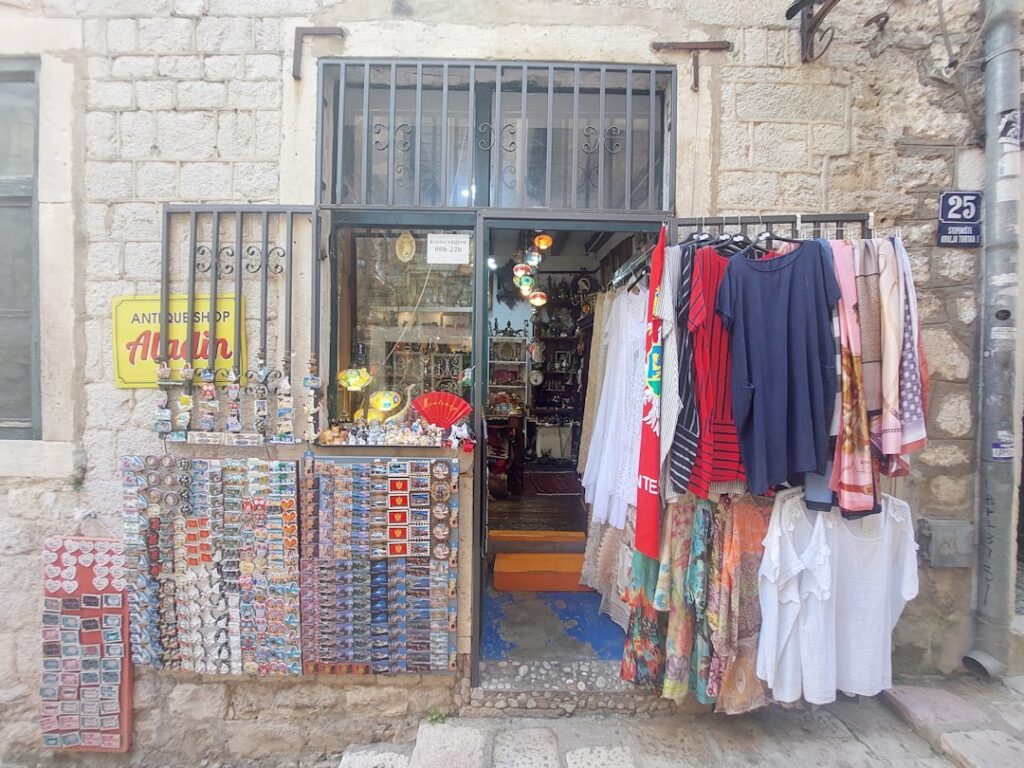
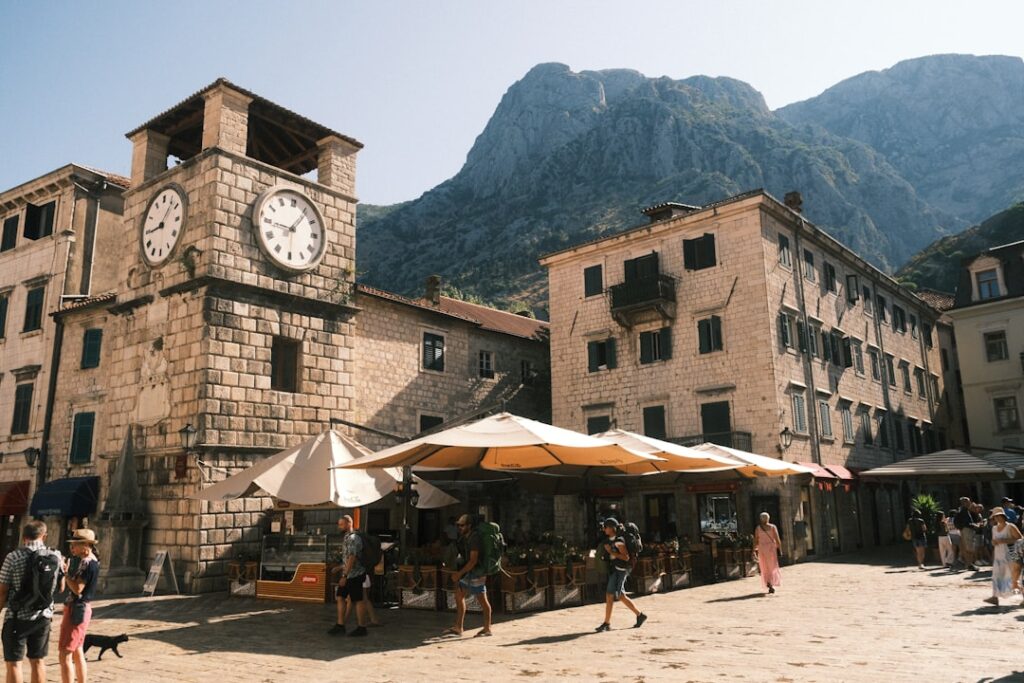
Kotor, a UNESCO World Heritage site, is a perfect starting point to explore coastal craft traditions. In the cobbled lanes of the Old Town (Stari Grad), jewelry workshops produce filigree inspired by Venetian and Ottoman styles, while galleries display traditional furnishings and restored ceremonial costumes.
Where to go:
- Maritime Museum of Kotor — Trg od Oružja 1, 85330 Kotor. Hours: daily 09:00–20:00 (high season), 10:00–17:00 (low season). Price: €6.00 adult, €3.00 student. Exhibition: ship models, historic marine clothing, sailors’ tools and jewelry showing the sea’s influence on local craft.
- Galerija Ars Nautica — Škaljari 12, 85330 Kotor. Hours: 10:00–18:00 (closed Monday). Price: free entry; items for sale €15–250 depending on the piece. Specialty: silver filigree jewelry, small wood sculptures.
- Atelier Ivanovic – Traditional Costumes — Stari Grad, Njegoševa 5, 85330 Kotor. Hours: by appointment 09:00–14:00/16:00–19:00. Price: guided workshop visits €10; custom costumes €150–900 depending on complexity.
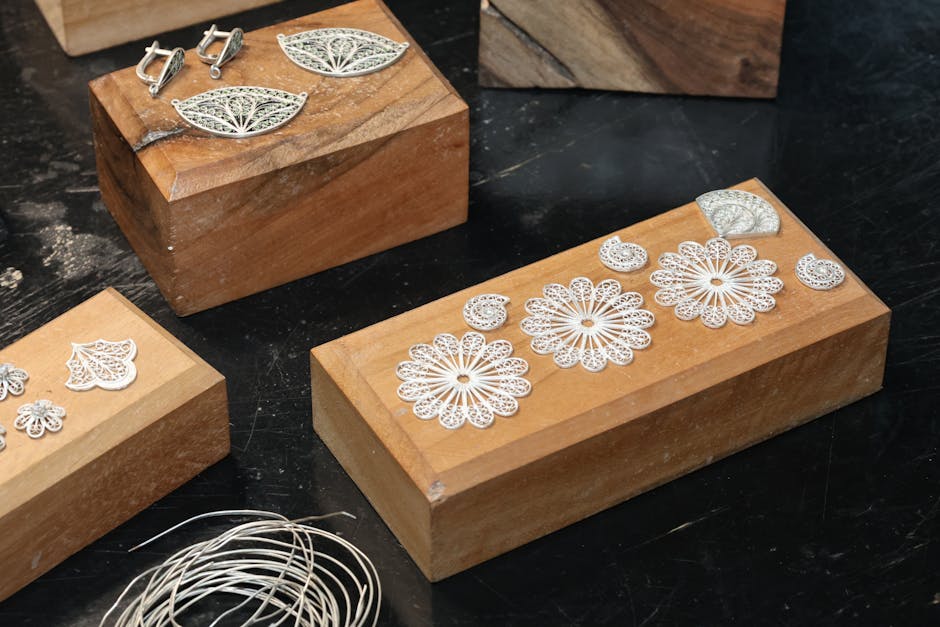
What you’ll see: Kotor’s workshops reveal the precision of filigree — fine silver wires soldered to form floral and geometric patterns — often set into brooches, earrings or necklaces. Coastal costumes tend to be lighter than their mountain counterparts, featuring embroidered shawls, short vests and flounced skirts. Carved woodwork was crafted for maritime-use furniture and religious icons, with dark varnishes and simple inlays.
Local tips: favor workshops where you can watch the making process; it’s easier to negotiate for bundles (for example, several small pieces); ask about the source of the silver (to check if it’s recycled). Shops often accept cards, but carry €20–50 in cash for small purchases at craft stalls.
2) Cetinje and the Cultural Capital: Museums, Embroidery & National Symbols
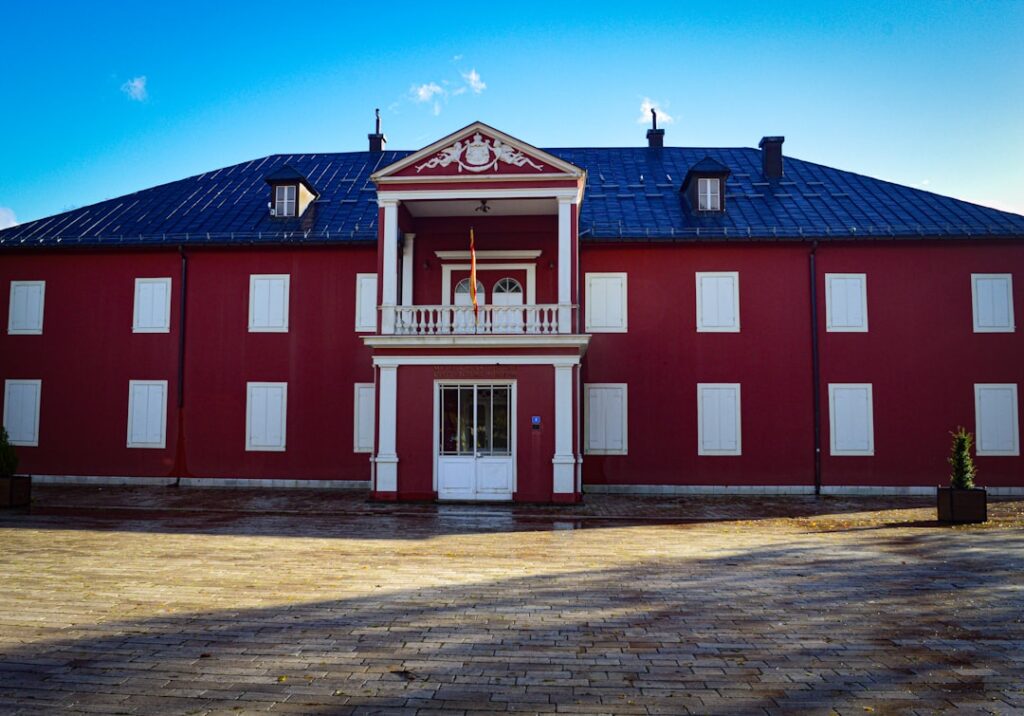
Cetinje, the former royal capital, is Montenegro’s intellectual and cultural hub. It houses the most representative collections of traditional costumes (nošnja) and heraldic symbols. Museums preserve period pieces: embroidered coats, gold and silver belts, and richly decorated liturgical objects.
Where to go:
- National Museum of Monténégro (Državni muzej Crne Gore) — Njegoševa 1, 81300 Cetinje. Hours: 09:00–17:00 (closed Monday). Price: €4.00 adult; temporary exhibitions €2–5 extra. Collections: folk costumes, historical documents, numismatic pieces and national iconography.
- King Nikola’s Palace (Muzej Kralja Nikole) — Njegoševa 2, 81300 Cetinje. Hours: 09:00–17:00. Price: €3.50 adult. The palace displays court life in Montenegro, with a collection of clothing, jewelry and everyday objects that reveal social codes and symbolism.
- Atelier Milic Handicrafts — Njegoševa 12, 81300 Cetinje. Hours: 10:00–18:00. Price: workshop visits €8; traditional textiles €50–400.
What you’ll see: Cetinje’s embroidery is often delicate and used for ceremonial garments. Motifs — rosettes, interlaces, small crosses — can signify protection or family belonging. Museum pieces show how national symbols (the double-headed eagle, crown elements) are integrated into clothing and objects. Local ateliers reinterpret these motifs on scarves, bags and small contemporary items.
Local tips: check for authenticity labels and favor workshops affiliated with cooperatives. For valuable pieces (antique jewelry), ask for certificates and compare prices: an authentic 19th-century embroidery can reach several hundred euros, while a quality contemporary reproduction typically costs €60–250.
3) Njeguši, Perast and the Hinterland: Rural Skills, Wood & Metalwork
Away from the coast, villages like Njeguši and towns around Perast offer a glimpse into rural techniques: woodworking, blacksmithing and utilitarian weaving. Njeguši, famous for its prosciutto (pršut), is also home to families that keep craft traditions alive — carved arbors, decorated tools, and small furniture.
Where to go:
- Njegusi Village Workshops — Njeguši Village, Cetinje Municipality, 81250 Njeguši. Hours: family workshops open by appointment, generally 09:00–16:00. Price: tastings and visits €5–12; wooden objects €10–200.
- Perast Cultural Center — Trg Sv. Ilije 4, 85333 Perast. Hours: 10:00–18:00 in season. Price: local exhibition €2–4; demonstration workshops €15–30 per person.
- Local Blacksmith – Sava’s Forge — Perast outskirts, Route R-23, near Perast 85333. Hours: 08:00–13:00/15:00–18:00 (closed Sunday). Price: small forged iron items €12–60; custom pieces from €80.
What you’ll see: local blacksmiths produce door fittings, hooks and small ornaments with geometric or stylized floral patterns. Woodworking includes engraved everyday utensils, chests and ritual tools. In homes, rectangular looms display woven bands used as belts or wall decorations, with earthy colors and repeating motifs.
Local tips: to visit Njeguši, take a suitable vehicle — mountain roads can be narrow — and plan morning visits to combine food tastings and workshops. Always negotiate respectfully: if an artisan invites you into their home, bring a small gift (coffee, chocolate) and pay in cash. Special orders can take several weeks; expect to pay a 30–50% deposit when ordering.
4) Podgorica, Ulcinj and Markets: Modernity, Integration & Reinvention of Tradition
Podgorica, the capital, and Ulcinj, down south with its Ottoman legacy and Albanian community, illustrate how traditional crafts are being reinvented. Urban galleries feature designers using old techniques (filigree, embroidery) to create contemporary objects, while Ulcinj’s markets offer a mix of Balkan and Mediterranean influences.
Where to go:
- Center for Contemporary Art Cetinje – Podgorica branch — Bulevar Džordža Vašingtona 43, 81000 Podgorica. Hours: 10:00–18:00 (closed Tuesday). Price: free entry for permanent exhibitions, €3–6 for special events.
- Old Town Ulcinj Market — Stari Grad, 85360 Ulcinj. Hours: market open daily 08:00–20:00; best stalls in morning and evening. Price: small crafts €5–40; rugs and textiles €60–400.
- Ulcinj Ethnographic Museum — Rruga Gjergj Kastrioti Skënderbeu, 85360 Ulcinj. Hours: 09:00–16:00. Price: €2–3 entrance. Collections: local costumes, jewelry and textiles reflecting cultural diversity.
What you’ll see: in Podgorica, young designers incorporate traditional motifs into minimalist jewelry, bags or lighting. In Ulcinj, the market blends Ottoman, maritime and Mediterranean influences: patterned rugs, complex embroidery and silver jewelry often featuring protective motifs or solar symbols. Prices are generally reasonable at markets, but check material quality: solid silver looks and feels different from plated items.
Local tips: in urban galleries, ask for the artisan card or the origin of materials; at markets, favor regular stallholders, avoid uncertified gemstones, and photograph items before bargaining. Shops near tourist sites accept cards, but markets prefer cash.
Conclusion: Respect, Learn and Bring Home the Spirit of Montenegro
Montenegrin crafts are a window onto the country’s soul: they connect sea and mountain, royal court and rural hearths, tradition and contemporary creation. By visiting museums, workshops and markets, the traveler collects more than objects — they gather stories of identity, resilience and adaptation. Buying a piece is not just a tourist gesture; it’s an economic and cultural act of support when you choose transparent sellers and authentic products.
Practice respectful curiosity: ask about material sources, request to see how items are made, learn about production times and remember that authentic pieces can take days or weeks to complete. For antique costumes or historic jewelry, expect higher prices and request certificates when possible. If you plan to bring back bulky textiles, check your airline’s baggage policy before purchasing.
Finally, the best way to preserve this heritage is to get involved: take part in workshops, support artisan cooperatives, share the stories tied to each piece and, above all, let yourself be transformed by the humble, meaningful beauty of these objects. When you leave, you won’t just take a souvenir — you’ll carry a deeper understanding of Montenegro: its symbols, its costume and the craftsmanship that continues to weave its collective memory.