





Introduction: Montenegro’s Folk Music and Dance — Between Rural Traditions and Coastal Scenes
Montenegro, a small Balkan state hugged by the Adriatic and framed by steep mountains, offers a musical and dance landscape as varied as its scenery. Here, music doesn’t just accompany life — it shapes it. From inland villages where age-old polyphonic singing still survives to the lively shores of Budva and Kotor where international DJs mix with local bands, Montenegro’s scene is a living, evolving culture rooted deeply in collective memory.
This guide is for the curious traveler: how to understand traditional forms like the kolo and ojkanje, where to catch live music in town, how to plan visits around must-see festivals, and practical tips (addresses, typical hours, indicative prices, local pointers). You’ll find immersive descriptions to help you picture the sounds — accordion, tamburica, gusle, harmonic polyphonies — and the movements — linked circle steps, syncopated footwork, jumps and collective gestures — that punctuate family celebrations, religious rites and public events.
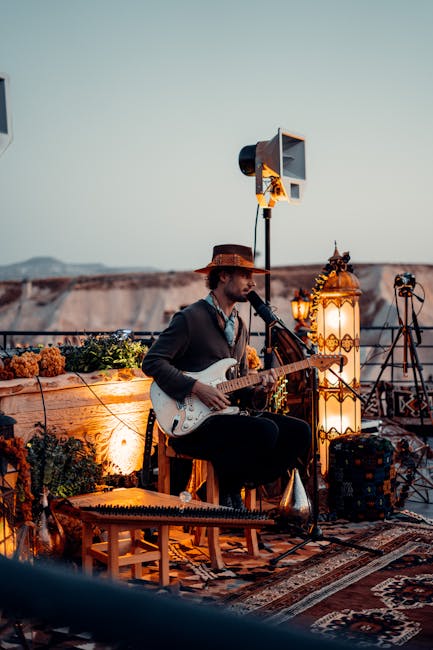
Montenegro has preserved musical elements characteristic of the southern Balkans while embracing modern forms. Inland, vocal polyphony — sometimes raw and close to guttural singing — remains a strong identity marker in places like Kolašin, Plužine and the Durmitor valleys. On the coast, Mediterranean influences mix with contemporary sounds: electric guitars, electronic percussion and young artists reworking traditional melodies. Festivals, whether classical, ethno or electronic, provide stages where tradition converses with international trends.
This guide targets several traveler types: the visitor seeking an authentic traditional show, the night owl wanting jazz or pop in a Podgorica club, the festivalgoer after a seaside or ethno event, and the curious guest who wants to learn kolo etiquette before joining a dance. Each section includes specific venue names, full addresses, price ranges in euros, typical schedules and practical tips (how to hold yourself while dancing, when to arrive, what to wear). Times and prices are indicative and can change with seasons and programming, but this overview will give you the bearings you need to plan a music-packed stay in Montenegro.
Musical Traditions and Folk Dances: From Kolo to Rural Polyphonies
The heart of Montenegrin folk music beats in villages and small towns, where community practices are passed down through generations. The most emblematic dance is the kolo — a circle dance common across the Balkans — built on codified, often fast and syncopated steps and a strong communal dimension. The kolo is traditionally danced to tamburica (a small Balkan mandolin), accordion, violin, or even modern guitar. Kolo ensembles may include simple percussion (tapan) and are distinguished by handholds or by the exchange of handkerchiefs to mark changes of leadership.
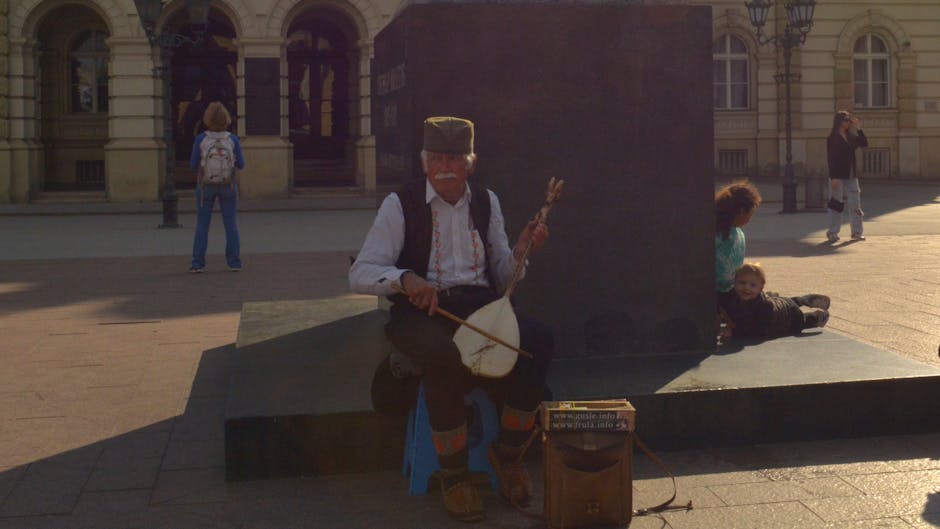
Another strong tradition is ojkanje, a polyphonic, shouted singing style originating from the Dalmatian region and present in some border areas of Montenegro. Ojkanje features vocal tremor and dissonant intervals that create an intense atmosphere, often used at vigils and neighborhood gatherings. Montenegrin singing also includes solo narrative forms, such as songs accompanied by the gusle — a one-string bowed instrument — which accompany heroic epics and historical tales.
Where to experience these traditions? Several local venues and events offer authentic performances:
- Ethno Club « Morača » — Podgorica: Morača Sports Center, Bulevar Svetog Petra Cetinjskog 29, 81000 Podgorica. Ethno nights on Fridays and Saturdays from 20:00. Entry: €5–10 depending on the concert. Description: a cozy small hall hosting vocal groups and traditional musicians, ideal for meeting performers after the show.
- Kolo Festival — Kolašin (seasonal events): usually held at the cultural center, Trg Partizana 1, 84210 Kolašin. Programming varies in summer. Access: €5–25 depending on the concert. Description: gathering of local and regional kolo groups, daytime kolo workshops, and costume demonstrations.
- House of Culture — Cetinje: Njegoševa 1, 81250 Cetinje. Regular programming of gusle recitals and traditional singing evenings; schedules depend on the cultural season (concerts often 19:00–20:30). Tickets: €3–12.
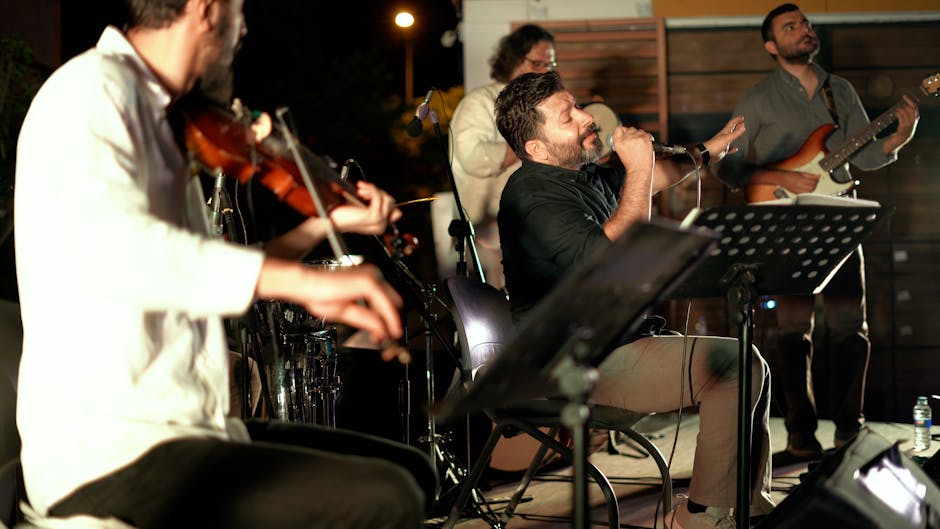
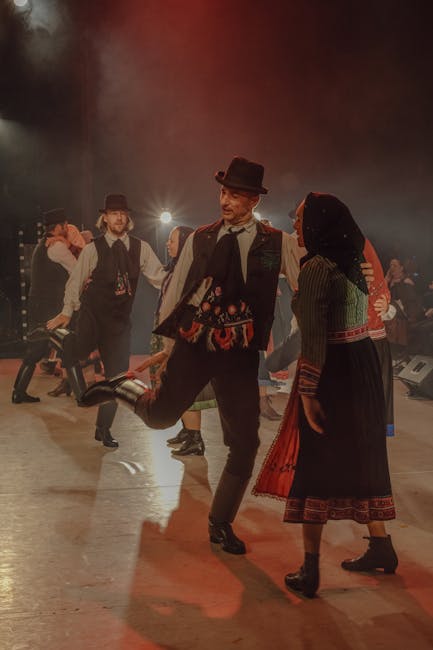
Technique and codes: the kolo is usually danced in a linked chain or tight circle, with hands held (sometimes with a handkerchief) and weight rapidly shifting from left to right foot. To join in, wear comfortable clothing (light trousers for men, flowing skirt/dress for women), arrive early to learn the first steps — often two or three measures are enough — and let the tempo guide you. Rural dances can last for hours: it’s common for celebrations to stretch late into the night, interspersed with musical pauses and guest appearances by local singer-songwriters.
Urban Scenes: Clubs, Live Café-Venues and Official Halls (Podgorica, Kotor, Budva)
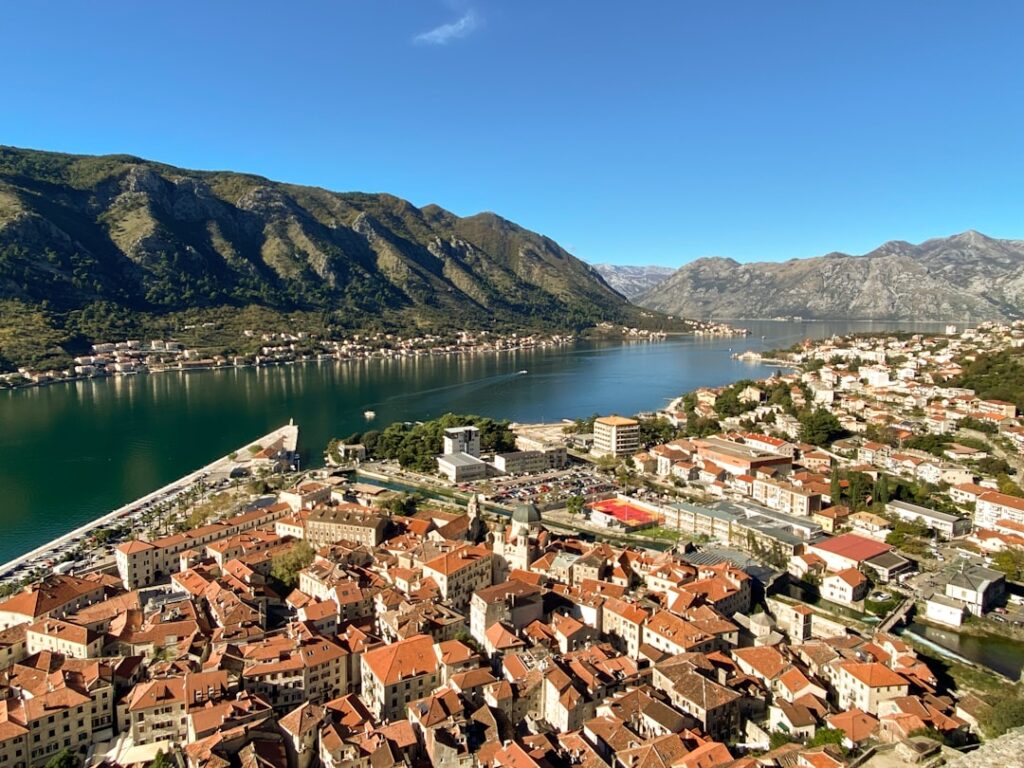
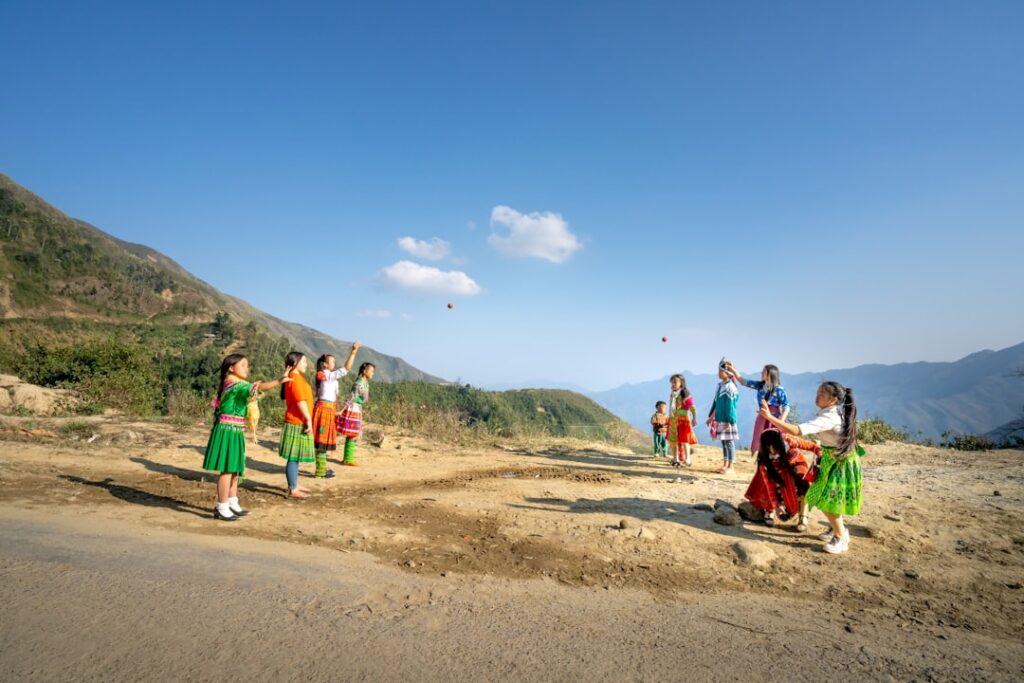
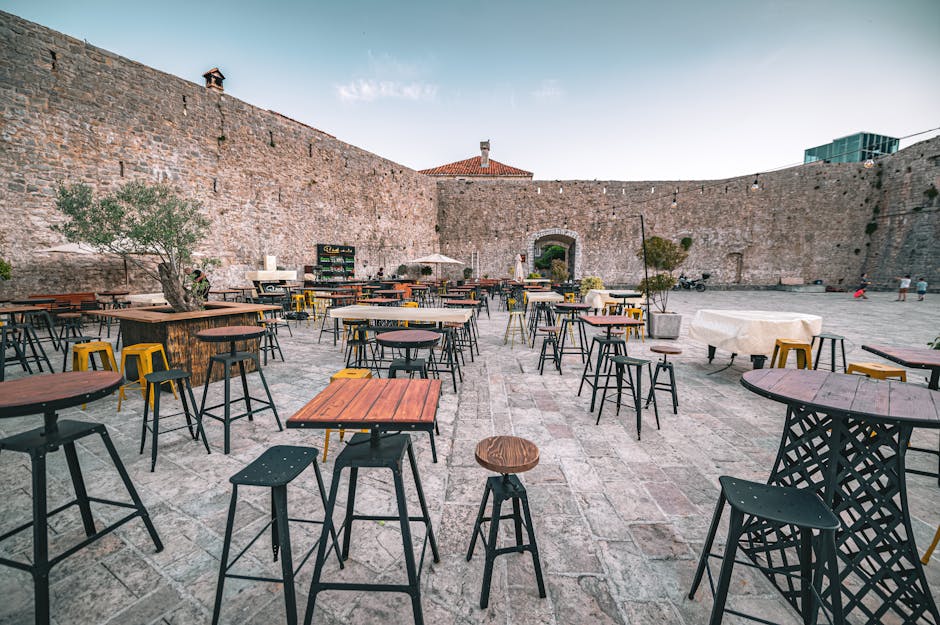
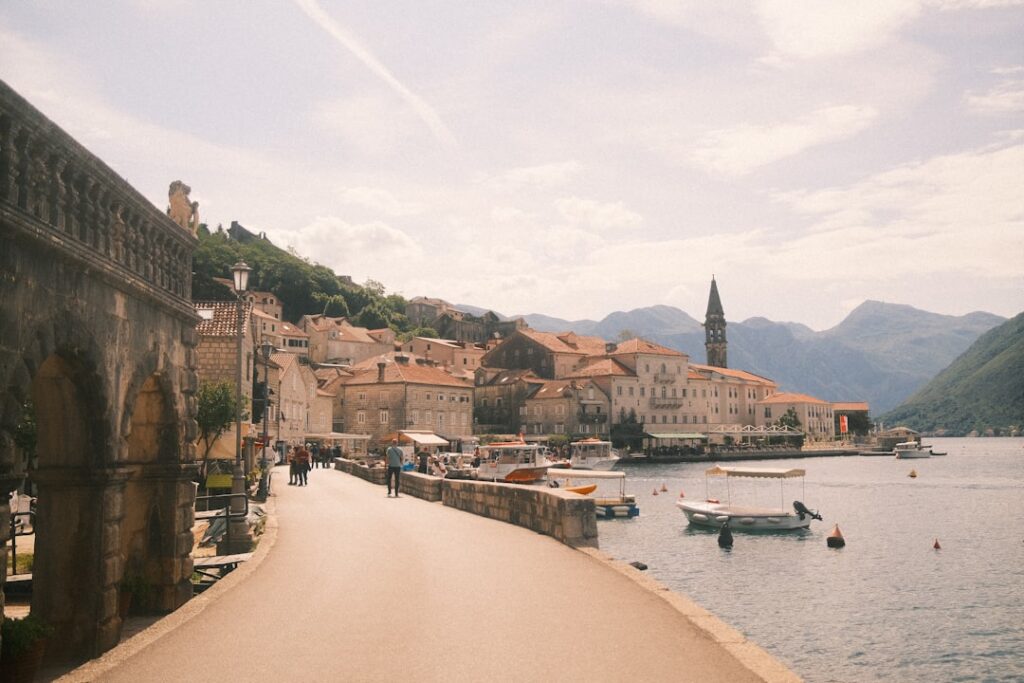
On the Adriatic coast and in the capital, music takes on very eclectic forms. Podgorica, the administrative capital, is the hub for modern concerts and clubs where you can hear jazz, rock, rap and electronic reinterpretations of traditional themes. Kotor and Budva, magnetized by tourism, offer a bustling nightlife: open-air concerts on ramparts, clubs with international line-ups, and intimate stages dedicated to world music.
Venues and spots to know:
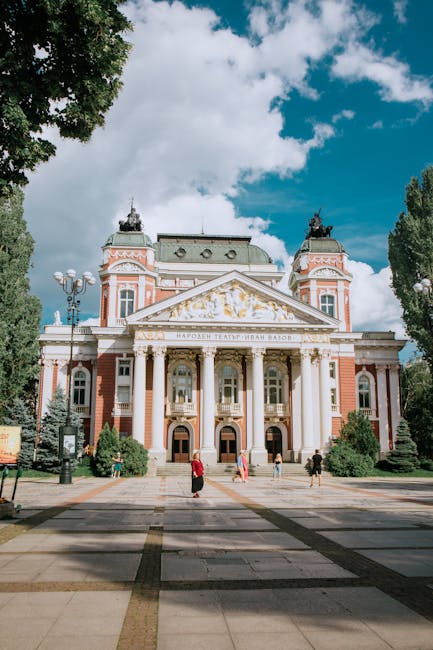
- Montenegro National Theatre — Podgorica: Bulevar Svetog Petra Cetinjskog 2, 81000 Podgorica. Programming: operas, ballets, symphonic concerts. Tickets: €10–50. Box office hours: Mon–Fri 09:00–18:00, shows mostly at 19:00–20:00. Description: a large hall with refined acoustics, programming that ranges from classical to crossover.
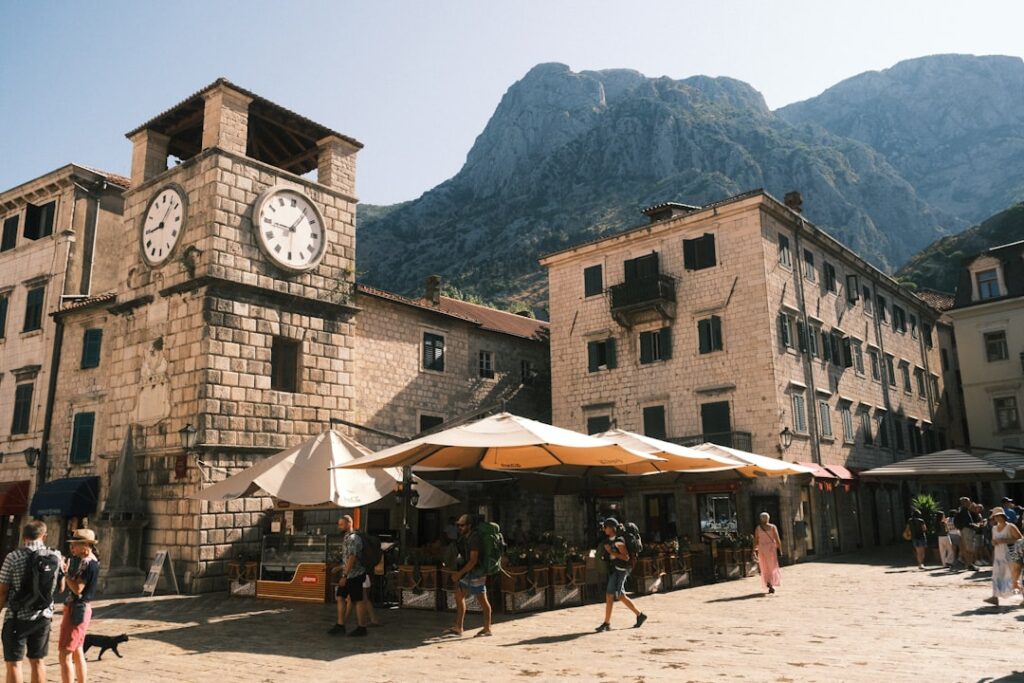
- City Pub « Jadran » — Kotor: Trg od Oružja 4, 85330 Kotor. Open daily 10:00–02:00. Live concerts most evenings in the high season; cover charge: €0–8. Description: historic spot on the main square, outdoor acoustic concerts, a mixed tourist-and-local vibe.
- Top Hill Club — Budva: Beach Resort Road, Budva (Top Hill Complex), 85310 Budva. Hours: vary by season, main parties 23:00–05:00. Entry: €10–40 depending on the event; VIP reservations available (higher prices). Description: Montenegro’s largest open-air club, hosting international DJs and electronic shows in summer.
- Jazz Bar « The Corner » — Bar: Njegoševa 12, 85000 Bar. Hours: 18:00–02:00, jam sessions Thursday night. Entry: usually free, sometimes €3–7 depending on artists. Description: a small cozy club where local musicians gather — good for discovering Montenegro’s jazz scene.
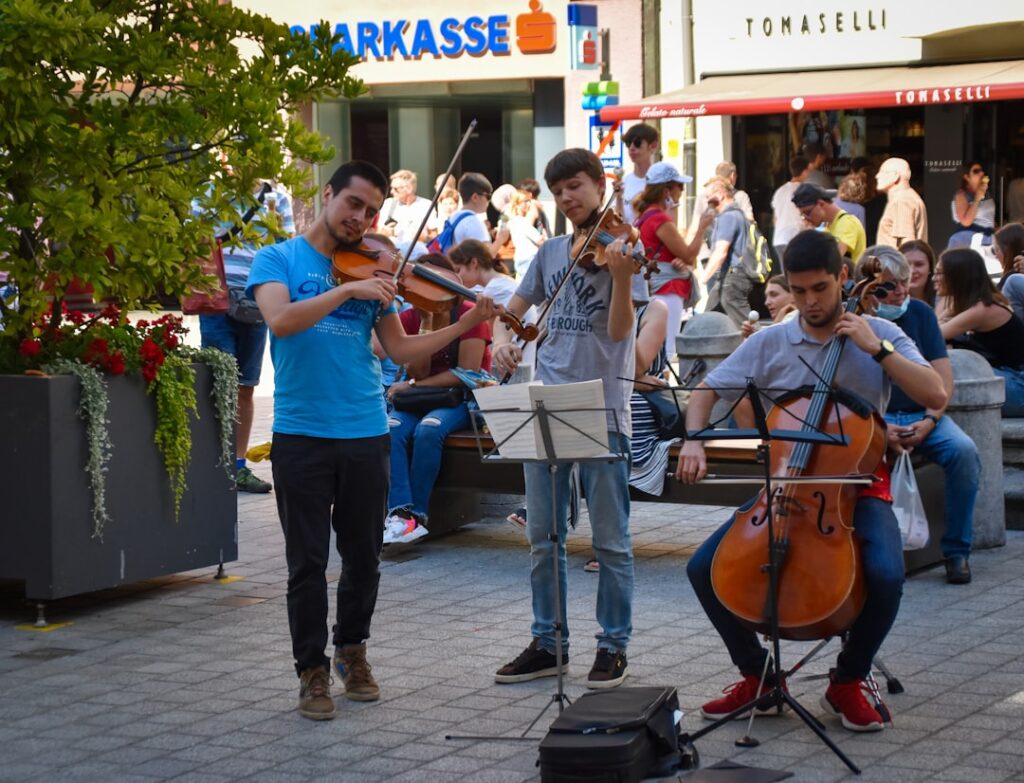
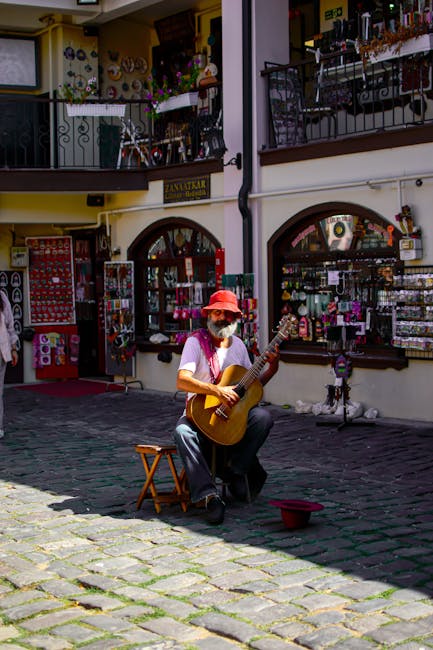
Practical tips: for city concerts, always check programming online (venues’ Facebook pages, official sites) and arrive 30–60 minutes early to secure seating. Prices vary widely with the tourist season: expect surcharges in July–August. Budva clubs and large parties often require reservations for groups. Also keep in mind that the alternative scene is mobile: impromptu concerts can pop up in art galleries, cafés or public squares.
Local Festivals: Calendar, Venues, Prices and Atmospheres
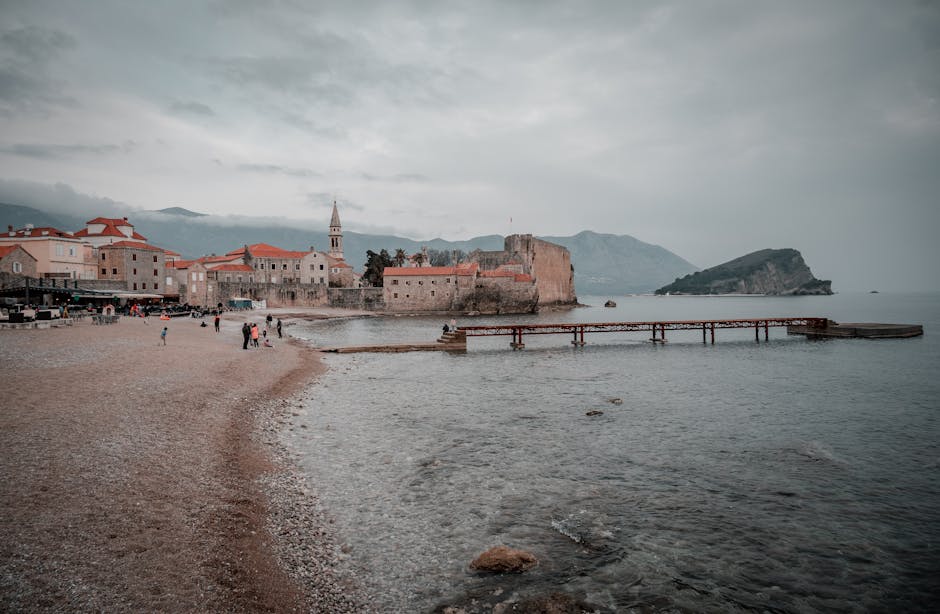
Festivals in Montenegro are prime opportunities to discover both folk music and contemporary interpretations: from KotorArt’s classical programs to the electronic vibes of Sea Dance, plus ethno and folklore events dotted across the country. Here’s an overview of standout festivals with venues, price ranges and visiting tips.
- KotorArt — International Festival of Theatre and Music
Venue: Various sites in Kotor Old Town (Grgurina Palace, Trg od Oružja), 85330 Kotor.
Period: July–August.
Prices: €10–60 depending on concerts (single tickets); festival passes vary (often €80–200 in presale).
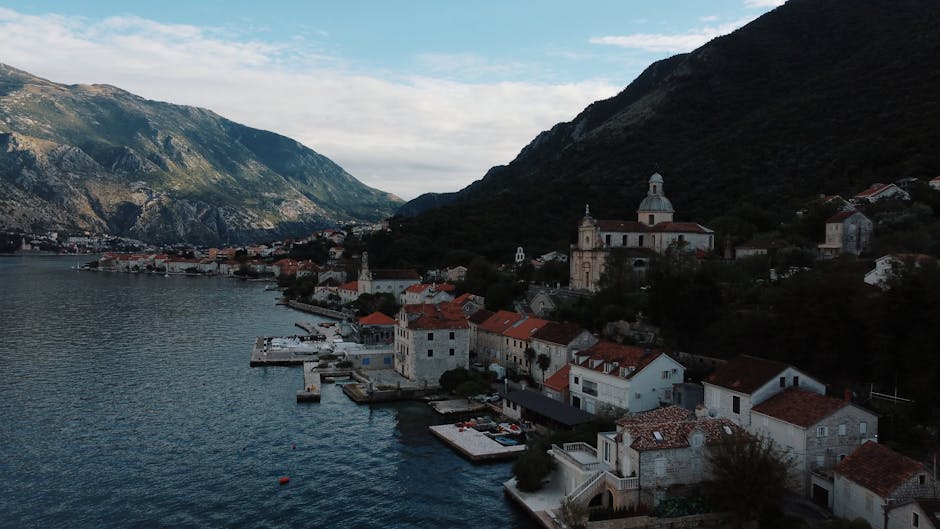
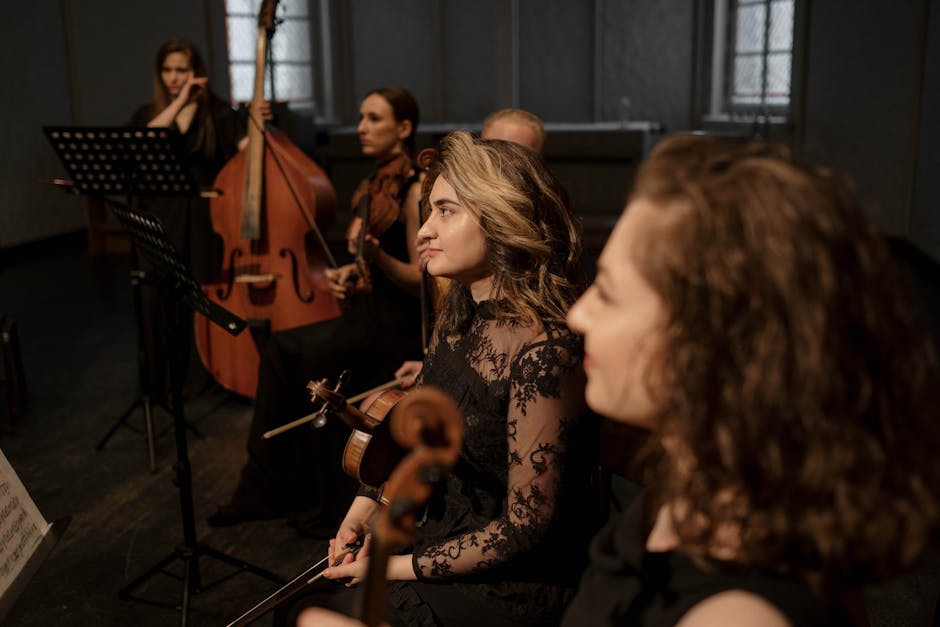
Description: a prestigious festival presenting classical music, chamber concerts, recitals and crossover programs. Historic venues (palaces and churches) offer a unique atmosphere and natural acoustics. Arrive 30–45 minutes before the concert to enjoy the venue and views over the Bay of Kotor.
Tips: bring a light shawl for evening outdoor concerts; temperatures drop by the sea despite daytime heat. - Sea Dance Festival
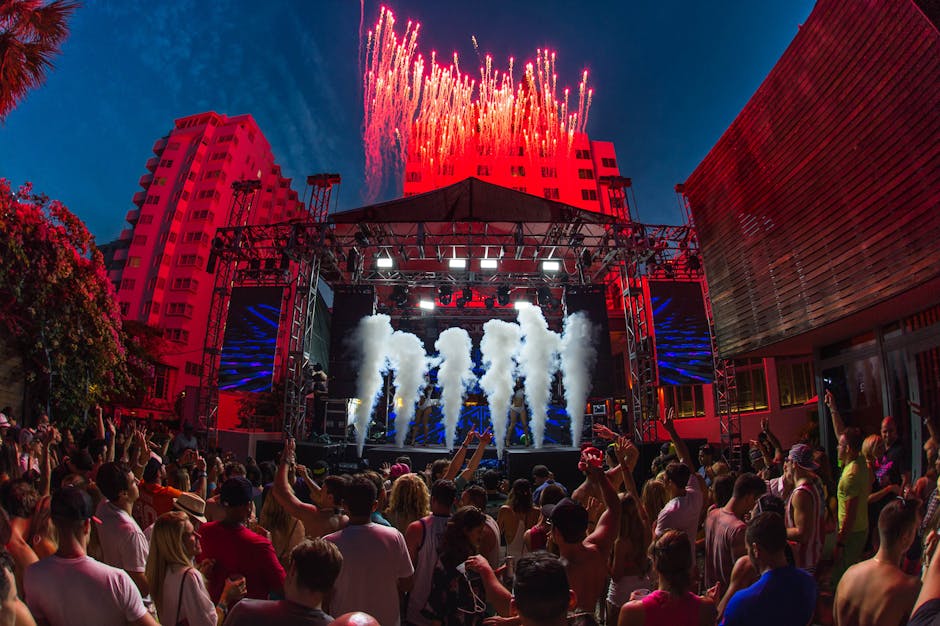
Venue: Buljarica / Jaz Beach depending on the edition; check official info for the year, 85310 Budva region.
Period: usually late June–July.
Prices: day passes €30–80, weekend passes €80–200, VIP packages €150–400 (prices vary with headliners).
Description: seaside electronic and pop festival, very popular with young travelers. Camping and nearby accommodation are usually organized. Main stages often start late afternoon and runs into the early morning.
Tips: bring sunscreen, a reusable water bottle (water points available), and earplugs for camping nights. - International Festival of Chamber Music « Lovćen Classic »
Venue: Cetinje, House of Culture (Njegoševa 1, 81250 Cetinje) and nearby historic sites.
Period: August–September.
Prices: €5–40 depending on the concert.
Description: program focused on classical and chamber music, often featuring renowned artists from the Balkans and Europe. Concerts, sometimes held in monasteries or palaces, add historical depth to the repertoire. - Folk Days / Local Folklore Festivals
Venues: various municipalities (Plužine, Kolašin, Berane). Exact addresses published by local tourist offices each year.
Period: mostly July–September.
Prices: often free or symbolic (€0–10); some workshops paid €5–15.
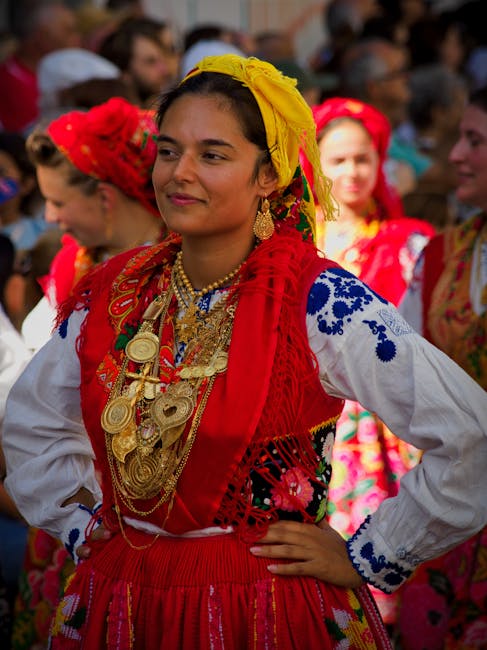
Description: gatherings of folklore groups, free concerts on village squares, craft markets. Perfect for seeing traditional costumes, learning steps and tasting local food.
Planning: book tickets in advance for popular festivals (KotorArt, Sea Dance). Traditional music festivals are often free and take place in public squares or cultural centers; if you want to join workshops, sign up the day before or early in the morning. For accommodation, favor family-run guesthouses (sobe) around Kotor and Budva, or a central hotel if you’re targeting Podgorica for urban concerts. Hotel rates rise sharply during festival periods.
Immersive Experiences and Workshops: Learn the Kolo and Play the Gusle
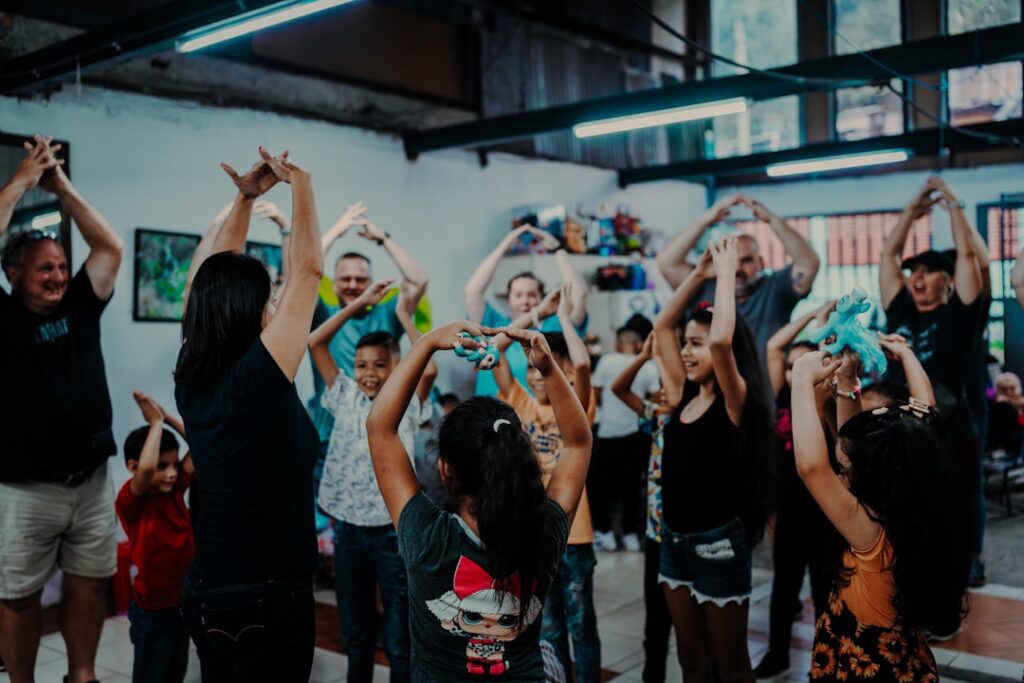
To fully appreciate Montenegrin music, hands-on learning is unbeatable. Several organizations offer dance and music workshops for beginners and experienced amateurs alike. These experiences connect you directly with local masters and give you a physical memory of rhythms and songs.
- Workshop « Dance with Kolo » — Cultural Centre Kolašin
Address: Trg Partizana 1, 84210 Kolašin.
Hours: half-day workshops (09:30–12:30) or evening sessions (18:00–21:00) in summer.
Price: €10–25 per session (depending on length), discounts for groups of 5+.
Description: practical class led by experienced dancers; bring comfortable shoes and a water bottle. At the end, there’s a short demonstration and sometimes a chance to join a local celebration if it aligns with the calendar. - Percussion and Tamburica Masterclass — Budva Music School
Address: Vuka Karadžića 7, 85310 Budva.
Hours: 1–2 hour sessions, generally 10:00–17:00 by appointment.
Price: €15–40 depending on duration and instrument.
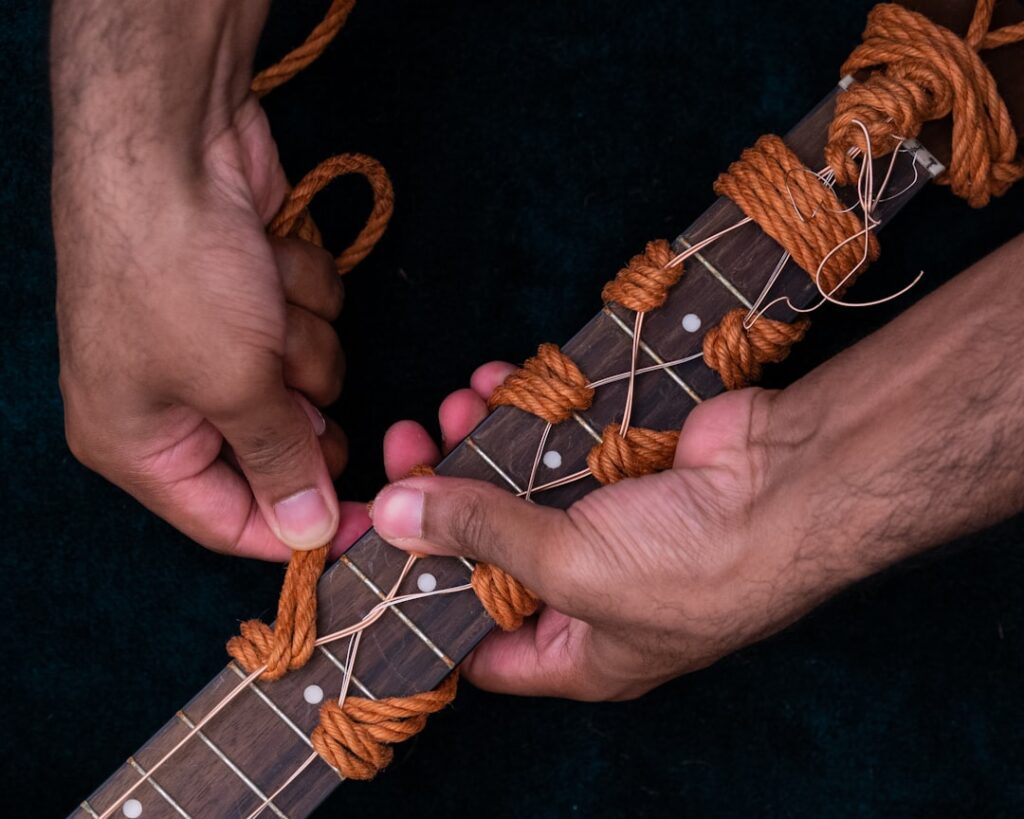
Description: introduction to the tamburica and rhythmic techniques; possibility to buy or rent an instrument for the session. - Gusle Experience — Cetinje Folk Museum
Address: Njegošev trg 4, 81250 Cetinje (confirm according to museum programming).
Hours: occasional afternoon workshops; sign up via Cetinje tourist office. Price: €10–30.
Description: introduction to epic singing and gusle technique, with historical storytelling and study of traditional texts.
Workshop tips: bring flexible shoes, comfortable clothes and a small towel. If you have hearing sensitivities, tell the instructor before starting. Summer classes often include a small local tasting (rakija, priganice): try them, but know your limits if you’ll be driving afterward.
Practical Tips and Useful Contacts for a Smooth Musical Stay
Getting to a musical event in Montenegro takes a bit of planning, especially in high season. Here are concrete recommendations and useful addresses to make the most of your trip.
- Montenegro Tourist Office — Podgorica: Bulevar Svetog Petra Cetinjskog 78, 81000 Podgorica. Hours: Mon–Fri 08:00–16:00. Services: festival info, tickets, maps and organizer contacts. Free advice or paid services for some bookings.
- Tourist Info Kotor: Trg od Oružja 11, 85330 Kotor. Hours: 09:00–17:00 in low season, 08:00–20:00 in summer. Services: KotorArt programs, guided musical walks in the old town.
- Transport: Intercity buses link the coast with Podgorica and Cetinje; local companies sell tickets at central stations. Taxis: prefer licensed taxis with a meter; approximate fares: Podgorica airport → city center €8–12, Podgorica → Budva €20–40 depending on season and negotiation. Renting a car makes reaching rural festivals and mountain sites easier.
- Money and payments: the euro (€) is the official currency. Cards are accepted in most restaurants and concert venues, but always carry cash for small bars and rural events (€5–20 recommended).
- Safety and cultural respect: Montenegrins are proud of their heritage; photograph and film discreetly at religious ceremonies and traditional performances. Ask permission before taking close-up portraits.
Take It Home: Where to Buy Records, Instruments and Souvenirs
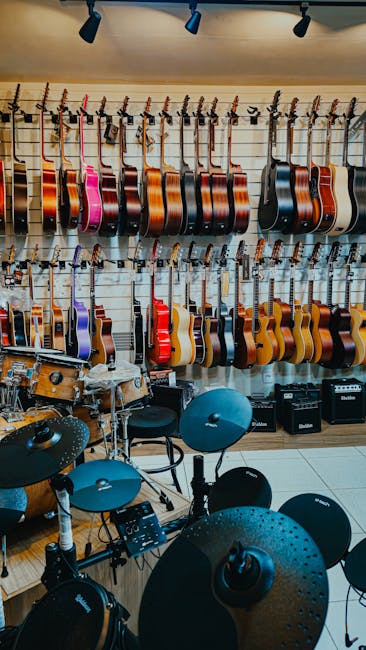
To extend the musical memory after you return home, consider buying local recordings, CDs and, if possible, a small traditional instrument (for example a tamburica or hand percussion). Here are useful shops and tips for purchases:
- Book & Music Shop « Knjižara Muzika » — Podgorica: Njegoševa 15, 81000 Podgorica. Hours: 09:00–18:00. Products: local CDs, sheet music, books on Balkan music. Prices: CDs €8–25.
- Artisan market — Kotor Old Town: Trg od Oružja, 85330 Kotor. Hours: 09:00–21:00 in season. Products: handcrafted instruments, costumes, traditional records. Prices: souvenirs €5–50, simple instruments (small tambourines) €15–60.
- Music Workshop — Budva Instruments: Vuka Karadžića 9, 85310 Budva. Hours: 10:00–17:00. Services: instrument making and repair, rentals possible. Prices: rental €5–15/day; small instruments for sale €20–120.
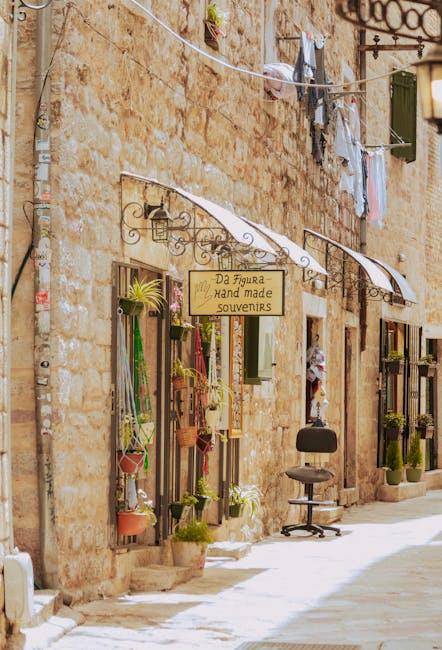
Export tips: check customs rules for exporting wooden instruments (some antique instruments may be restricted). For vinyl or CDs, ask if the shop can ship items or sell online to avoid overpacking your luggage.
Conclusion: A Musical Experience Both Local and Universal
Montenegro’s music and dance offer a sensory journey that blends the authenticity of rural traditions with the energy of urban and festival stages. From the kolo — a communal dance symbolizing unity and transmission — to festivals that pair heritage with modernity, each performance opens a door onto Montenegrin history, emotion and hospitality. Using this practical guide — addresses, hours, prices and tips — you can plan a dense, varied musical stay: attend a recital in a medieval Kotor palace, learn a few kolo steps in Kolašin, or dance on a beach at the Sea Dance Festival.
Final recommendations: plan ahead for peak season, favor local events for authentic listening experiences, and don’t hesitate to join workshops to take home a living memory of your visit. Respect local codes and the artists, arrive punctually for concerts, and engage: Montenegrin music is generous and often happy to share its knowledge. Remember that landscape plays a key role: a concert on Kotor’s ancient walls or a show at the foot of Lovćen elevates the music and turns listening into an unforgettable experience.
Whether you’re a music lover, a dancer or a curious traveler, Montenegro invites you to listen, learn and dance. Get your ears, feet and curiosity ready: a musical journey in this small Balkan country is at once intimate and festive, with every town and village holding a song to sing and a step to teach.