Introduction: Religious and Secular Festivals in Montenegro — Why This Guide Will Help You
Montenegro is a small Balkan country where history, faith and popular traditions meet on every corner, in every bay and on every hill. Understanding Montenegro’s religious and secular festival calendar is not just about knowing dates: it’s about grasping how Orthodox, Catholic and Islamic rites, blended with secular celebrations and folk festivals, shape social, tourist and economic life. This general guide, aimed at curious travelers and temporary residents, outlines the main festivals, what they mean, the best places to experience them, practical addresses for places of worship and cultural centers, as well as typical prices, opening times and essential local tips.
In Montenegro, religious celebrations are often more than spiritual events; they frequently include processions, communal meals, craft markets and cultural performances. Secular festivities — carnivals, music festivals, food fairs — draw both locals and international visitors. For a traveler, knowing the calendar helps you plan your trip either to join an authentic celebration or to avoid closures and peak crowds. This guide focuses on concrete details: full names, exact addresses, typical opening hours, prices in euros and practical advice on getting to ceremonies or events.
Here you’ll find information about major religious sites like Ostrog Monastery, historic cathedrals in Kotor and Cetinje, and well-known secular events such as the carnivals of Kotor and Budva or the Sea Dance music festival. We also list precise addresses for tourist offices, museums and cultural centers — useful for confirming times and booking guided tours. The prices shown are estimates based on common practice (museum entry, recommended church donation, average guided tour rate) and are given in euros; they may vary by season and local policy.
Finally, each section includes local tips: dress codes for places of worship, how to behave during processions, tricks to avoid long lines, how to combine a religious visit with a sightseeing trip, and what to taste during secular festivals. The 7 to 12 visual references 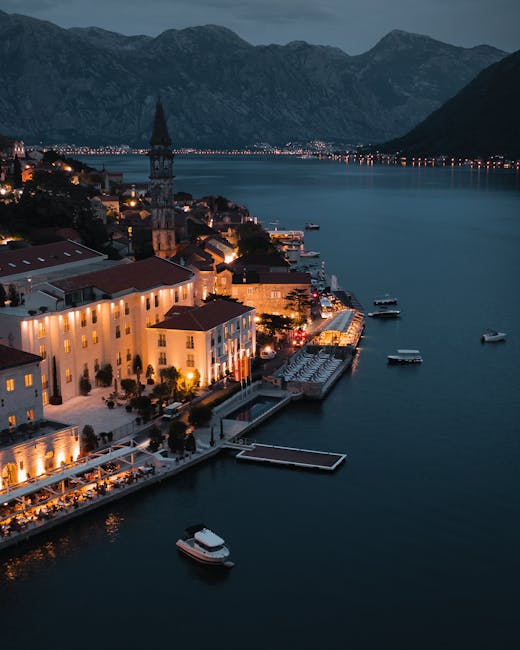 embedded in the text will help you picture the scenes: a monastery clinging to rock, a procession through a medieval old town, a Christmas market, or a folk group in traditional costume. Ready to dive into Montenegro’s festival calendar? Let’s continue with detailed, practical, immersive sections.
1) Major Orthodox Festivals: Calendar, Key Places and Rituals (more than 250 words)
In Montenegro, most believers follow the Serbian Orthodox Church calendar. The main feasts mark the liturgical year and draw large numbers of worshippers to iconic monasteries and cathedrals. The most widely observed include Orthodox Christmas (Julian calendar, January 7), Orthodox Easter (movable date, often in April/May), the Dormition of the Mother of God (Assumption, August 28) and the local patronal celebration known as the « slava » (a family or community saint’s feast).
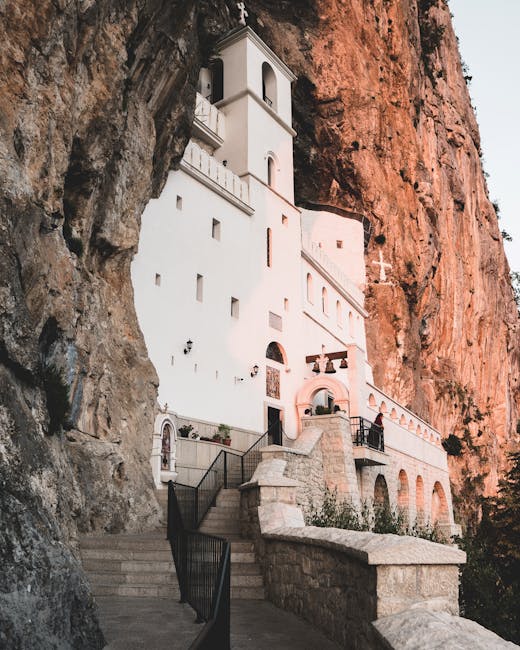
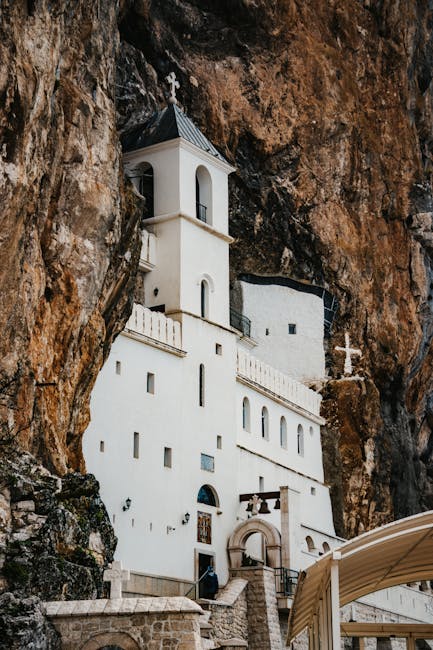
Ostrog Monastery (Ostrog Monastery, Ostrog, 81211, Niksic, Montenegro) is one of the most important pilgrimage sites. Perched on a cliff face, it attracts thousands during the major feasts. Practical address: Ostrog Monastery, Ostrog, 81211, Niksic. Access: the road from Niksic takes around 45 minutes by car. Opening hours: the upper church is generally accessible from 06:00 to 19:00; the lower chapel from 07:00 to 18:00 (times vary by season). Entry: donation recommended (usually €1–5); private guided tours on request (around €30–60 for a small group). Local tip: arrive early in the morning to avoid crowds and cover shoulders and knees out of respect.
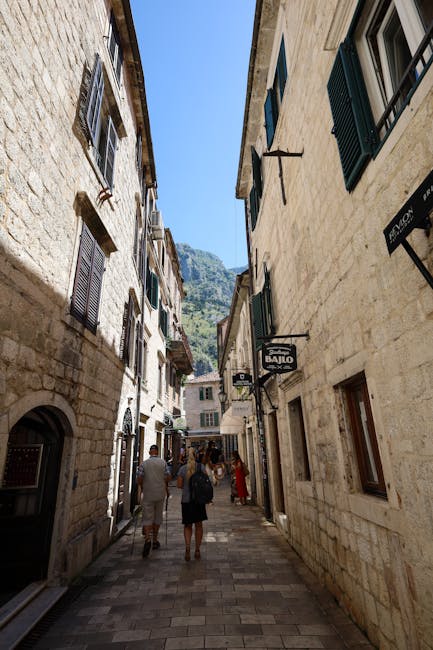
The Cathedral of Saint Tryphon (Cathedral of Saint Tryphon, Stari Grad 1, Kotor 85330, Montenegro) in the heart of Kotor celebrates the town’s patron saint on February 14 (Saint Tryphon). Practical address: Cathedral of Saint Tryphon, Stari Grad 1, Kotor 85330. Opening hours: 09:00–18:00 in the tourist season; masses and services follow the local schedule. Museum entry fee for the cathedral: ≈ €3. During Orthodox Easter, the midnight paschal vigil with a procession through Kotor’s narrow streets is a must-see: oil lamps, incense and Orthodox hymns create an unforgettable atmosphere.
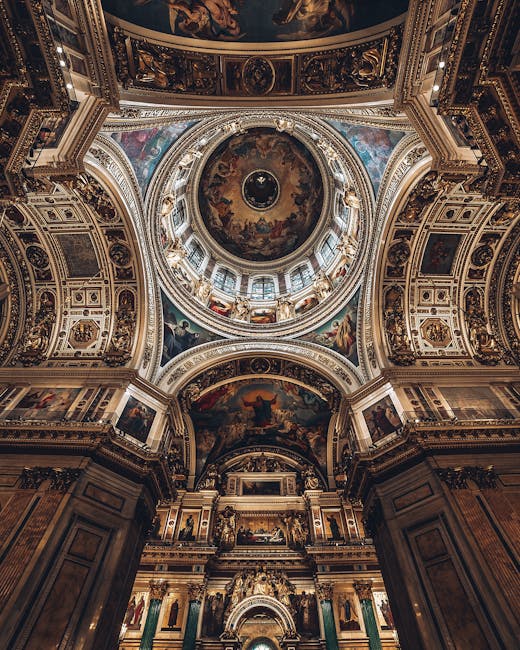
In Cetinje, the Monastery of Cetinje (Cetinje Monastery/Monastery of Cetinje, King Nikola I Street 4, Cetinje 81210, Montenegro) is another center of Orthodox faith. Address: Monastery of Cetinje, Kralja Nikole I 4, Cetinje 81210. Opening hours: 08:00–17:00; Sunday mass at 10:00 (times may vary). Free entry; donations accepted. Tip: combine the monastery visit with the National Museum of Montenegro (National Museum of Monténégro, Trg Vladike Nikole 2, Cetinje 81210; entry ≈ €5–8, hours 09:00–17:00) to better understand the religious and national history linked to the festivals.
- Dress tip: in monasteries wear modest, covering clothing; women may want to carry a headscarf.
- Transport: during major feasts book a taxi or private hire; bus services are often overcrowded.
- Respect: avoid taking photos during services and always ask permission for close-up shots.
2) Catholic and Muslim Festivals: Dates, Places and How to Take Part
Although Montenegro is predominantly Orthodox, it has active Catholic and Muslim communities. Catholic festivals are mainly celebrated along the coast and in towns like Kotor and Perast, while Muslim communities are strong in the northeast and in some inland and coastal valleys. Knowing these celebrations helps you appreciate the country’s religious diversity and join, respectfully, public ceremonies and cultural events that accompany them.
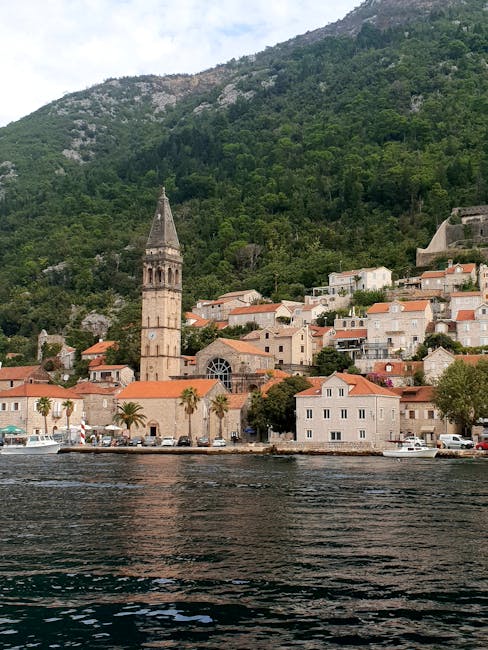
The Feast of the Assumption (August 15, for Western Catholics) is particularly important in Perast and Kotor. The Catholic Church of St. Nicholas (St. Nicholas Catholic Church, Perast, 85333, Montenegro) holds Masses and maritime processions. Useful address: St. Nicholas Catholic Church, Perast 85333, Kotor Municipality, Montenegro. Opening hours: festive Masses around 10:00–12:00; the church is usually open 09:00–17:00. Entry: free, donations welcomed. Tip: watch the seaside procession to see decorated boats and blessings of the sea.
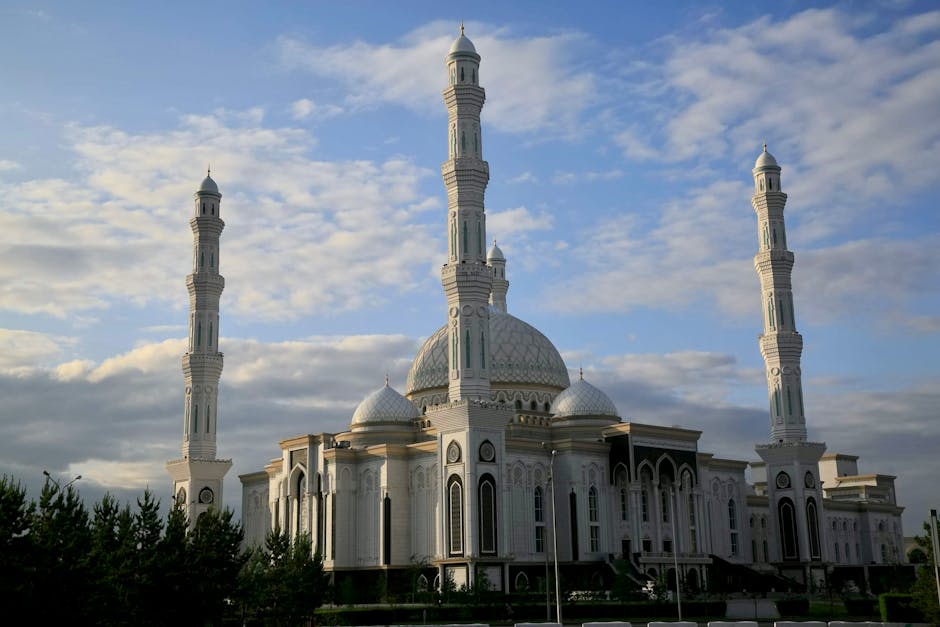
For the Muslim community, Eid al-Fitr (end of Ramadan) and Eid al-Adha (Festival of Sacrifice) are major moments. In towns like Rožaje and Plav, and in neighborhoods of Podgorica, mosques hold prayers and communal meals. One notable mosque: Plav Grand Mosque (Plav Grand Mosque, Trg Džamija 1, Plav 84320, Montenegro). Opening times: daily prayers; Eid services early in the morning (around 05:00–07:00 depending on season). Entry: free. Local tip: if you’re invited to an Eid meal, accept dishes politely; generosity is central to the celebration.
In Bar, the Cathedral of St. Joseph (Cathedral of St. Joseph, Ul. 10. avgusta bb, Bar 85000, Montenegro) and the Church of Our Lady of Mercy host celebrations for Christmas (December 25) and other Catholic feast days. Address: Cathedral of St. Joseph, Ul. 10. avgusta bb, Bar 85000. Opening hours: 08:00–18:00 in season; Mass times vary. Entry: free. During festivals, churches often organize sacred music concerts and local product markets (cheeses, cured meats, preserves) — a great opportunity to sample local cuisine.
- How to participate: attend public services to soak up the atmosphere, but follow respect rules (silence, modest clothing).
- Language: calls to prayer and sermons can be in Montenegrin, Albanian or Bosnian; tourist translations are not always available.
- Photography: always ask permission, especially inside mosques and at family ceremonies.
3) Secular and Carnival Celebrations: Annual Calendar, Main Events and Practical Info
Montenegro has a lively tradition of secular events — carnivals, food fairs, music festivals and national celebrations. These events show another side of Montenegrin culture, often rooted in folklore and conviviality. Below are the major gatherings, with venues, addresses, indicative prices and usual schedules.
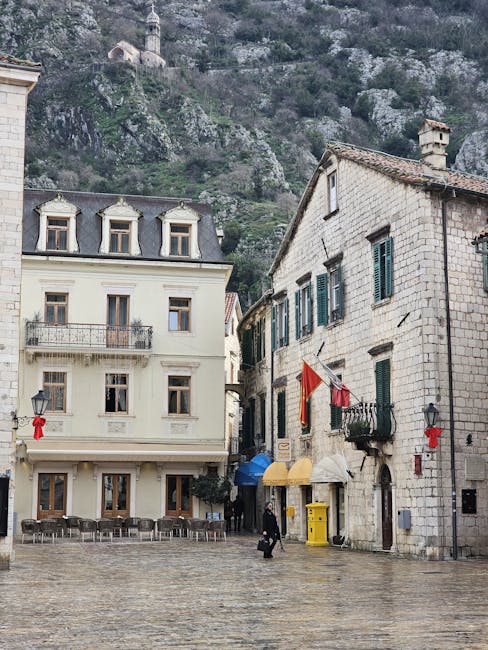
The Kotor Carnival (Kotor Carnival) usually takes place in February, ahead of Orthodox Lent. Parades, masks and balls spread through Kotor’s old town (Stari Grad, Kotor 85330). Meeting point: Main Square, Stari Grad, Kotor 85330. Parades: around 11:00–16:00; evening parties and balls: 20:00–02:00. Participation: parades are generally free; evening events cost €5–20 depending on the program. Tip: arrive before 10:30 to secure a spot along the route and bring a warm layer if the bay wind picks up.
The Budva Carnival (Budva Carnival) is another popular event with parades and concerts along the Riviera. Center: Budva Old Town (Stari Grad, Budva 85310). Hours: parades in the morning and afternoon, with late-night parties. Entry: most outdoor activities are free; concerts and special events cost €10–40. Tip: Budva gets very busy — book accommodation and event seats months ahead.
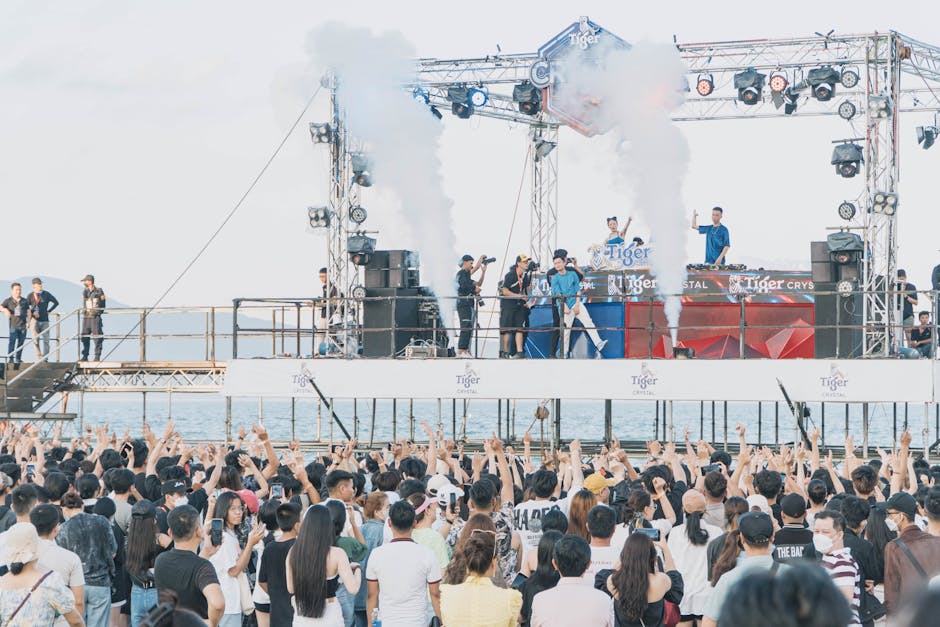
For contemporary music, the Sea Dance Festival (Sea Dance Festival, Jaz Beach, Budva Riviera, Jaz 85310, Montenegro) — part of the EXIT family of events — has drawn thousands since its inception. Venue: Jaz Beach, Jaz bb, Budva 85310. Hours: roughly 15:00–04:00 on festival days. Tickets: day passes ≈ €40–70, 3-day passes ≈ €120–250 (prices vary by lineup). Tip: bring water and follow beach safety rules; plan transfers by taxi or shuttle (often arranged by organizers).
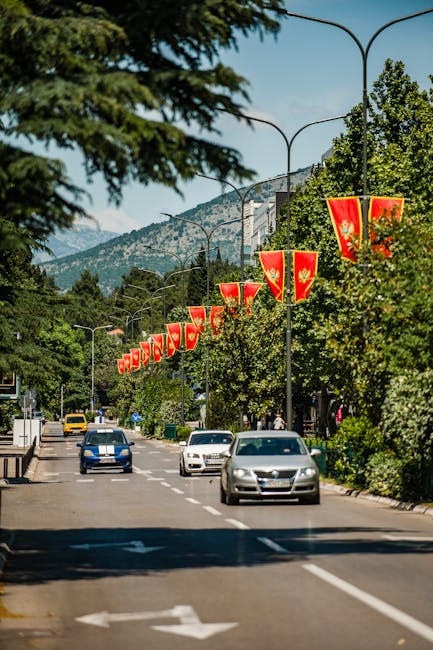
Montenegro Day (July 13) commemorates the 1878 independence war and is marked by official ceremonies in Podgorica and Cetinje. Key site: Monument to the Fallen for the Freedom of Montenegro, Podgorica (Spomenik Poginulim za Slobodu Crne Gore, Podgorica 81000). Hours: morning ceremonies and official speeches. Participation: free and open to the public; expect traffic restrictions and temporary closures.
- Markets and fairs: the Bijela Craft Fair (Bijela Craft Fair, Bijela 85322, Herceg Novi) usually runs in summer — stalls open 09:00–21:00; buy souvenirs, crafts and local tastes (prices vary by vendor).
- Transport and accommodation: during festivals hotel rates rise — book early and check for festival shuttles.
- Safety: keep valuables secure in large crowds and avoid displaying expensive equipment at night.
4) Local Feasts, Family Slavas and Village Traditions: Immersion, Places and Useful Addresses
Slavas are family patronal feasts rooted in Serbian/Orthodox tradition and widely practiced in Montenegro. Each family honors its patron saint with a meal, prayers and symbolic rites. These celebrations are mainly private, but many communities hold public events where visitors may be welcomed if invited. For a traveler, attending a slava offers deep immersion into local life, but it requires tact and respect.
An emblematic village where traditions remain strong is Njeguši (Njeguši, Cetinje Municipality, Montenegro), the birthplace of the Petrović-Njegoš dynasty. Useful address: Njeguši village, Njeguši 81210. Activities: village slavas, tastings of pršut (smoked ham) and local cheese. Hours: village festivities often start in the morning and run late; local market 08:00–14:00. Prices: tastings and village meals €8–20 depending on the producer. Local tip: book a culinary guided tour (≈ €40–80) to discover slavas and the village’s history in a friendly setting.
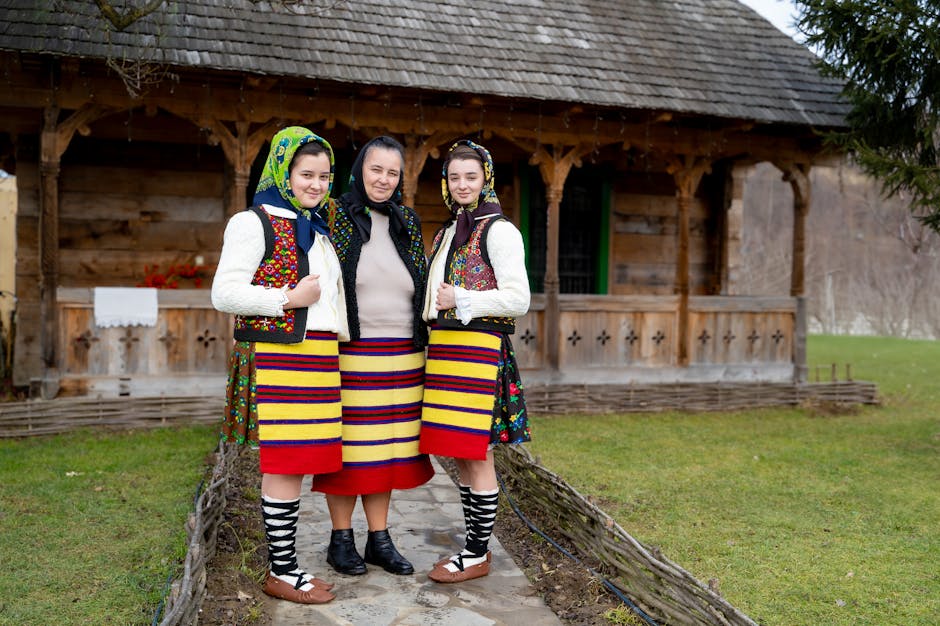
In Kolašin and Mojkovac (north), parish patronal feasts include processions, gusle music and community gatherings. Mojkovac parish: Church of St. George, Trg Svetog Georgija, Mojkovac 84220. Hours: Sunday mass at 10:00; parish festival times vary. Recommended visit: pair a festival day with a hike in Biogradska Gora National Park (Biogradska Gora National Park, Biogradska, Kolašin municipality; entry ≈ €3–6, hours 08:00–18:00) for a nature-culture experience.
Small tips for joining a slava or village celebration:
- Bring modest gifts (a bottle of local wine, sweets or traditional bread); hosts value politeness more than expense.
- Learn a few phrases: saying « Hristos se rodi! » (Christ is born) for Orthodox Christmas or « Srećna slava! » (Happy slava) shows respect.
- Try the specialties: pršut, kačamak, local cheeses, honey and rakija (local brandy). Typical prices: pršut slice €2–5; rakija per glass €0.5–2 depending on hospitality.
5) How to Plan Your Trip Around Festivals: Practical Calendar, Bookings and Money Tips
Planning a trip to Montenegro around festivals requires method: check religious dates (Orthodox celebrations often follow the Julian calendar), anticipate secular festivals and book accommodation and transport in advance. Here’s a practical calendar and concrete tips to avoid hassles.
Summary calendar (general indications):
- January (7): Orthodox Christmas (January 7)
- February: Kotor Carnival (dates vary)
- April/May: Orthodox Easter (movable date)
- July (13): Montenegro National Day
- August (15): Assumption (Catholic and Orthodox celebrations depending on location) and major coastal feasts
- Summer: Music festivals (Sea Dance, various events in Budva, Herceg Novi)
- Variable: Eid al-Fitr and Eid al-Adha (Islamic dates)
Bookings and prices: during major festivals and events accommodation prices often rise by 30–100%. Practical booking addresses:
- Tourist Information Kotor — Trg od Oružja 1, Kotor 85330, Montenegro. Hours: 09:00–17:00; contact for local events. Entry: free.
- Tourist Board of Budva — Slobode Square, Budva 85310, Montenegro. Hours: 08:00–20:00 in season; festival ticketing info available.
Money tips:
- Carry cash in euros for donations and small village or market purchases; many small vendors don’t accept cards.
- Budget guide: €40–80 per person per day (budget accommodation, local meals, transport); during festival season count on €80–200 depending on concerts and ticket choices.
- For museums and religious sites, expect €2–10 per entry; group guided tours €10–40 and private tours €30–80.
Transport and mobility: rent a car to reach remote monasteries and villages (rental prices ≈ €30–70/day depending on season), or book private transfers. Regional buses serve the coast well in summer but are less frequent to inland villages during local festivals — check schedules locally at tourist offices.
Conclusion: Experience Montenegro’s Festivals with Respect and Curiosity
Montenegro offers a rich and varied festival tapestry, blending ancient religious rites, deeply rooted family feasts and contemporary secular events. Whether you attend an Easter vigil in a medieval cathedral, follow a colorful coastal carnival parade, or share a meal at a village slava, the country welcomes you warmly if you respect local codes: dress modestly in sacred places, be polite and discreet with photos, be punctual for public events and give modestly for donations and gifts.
Prioritize preparation: contact local tourist offices (Tourist Information Kotor, Trg od Oružja 1, Kotor 85330; Tourist Board of Budva, Slobode Square, Budva 85310), book accommodation and festival tickets in advance and check service times for masses or prayers. Carry cash in euros for small transactions and monastery donations (€1–5 recommended), and pack comfortable shoes for processions and stone sites. If invited to a slava, accept the hospitality: taste the pršut, cheese, kačamak and rakija — and greet your hosts respectfully.
Finally, let yourself be moved by the powerful visuals: the white façade of Ostrog Monastery clinging to the cliff, Easter lanterns mirrored in Kotor’s canals, gusle players singing epics at a village feast, or the jubilant crowd on Jaz Beach during Sea Dance. These images will linger long after you leave. For each festival mentioned, check current times and prices with local tourist offices or official sites: practices can change, but Montenegrin hospitality remains unfailingly generous.