




Introduction — Taking the bus in Montenegro: why and how
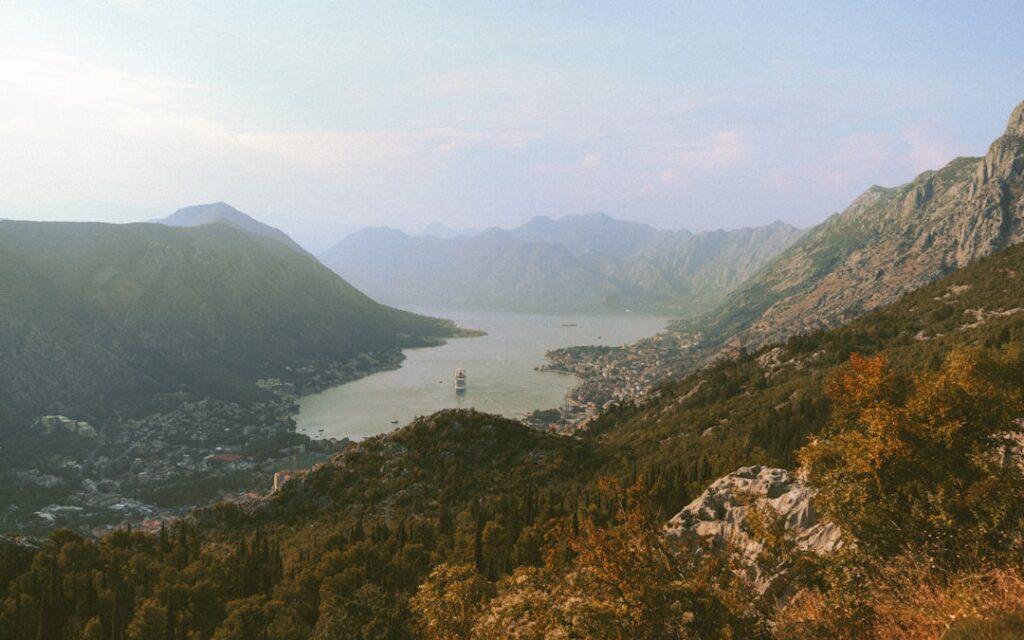
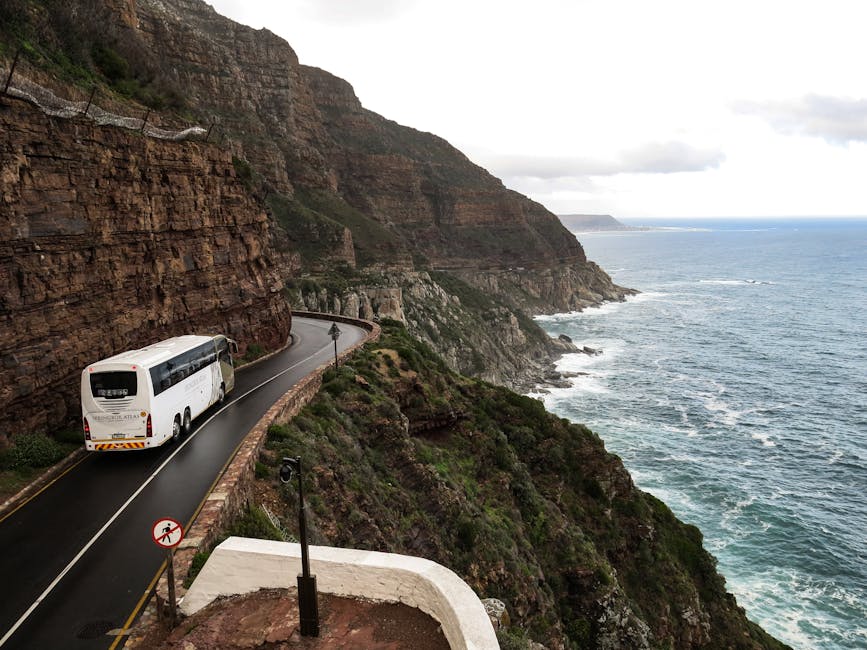
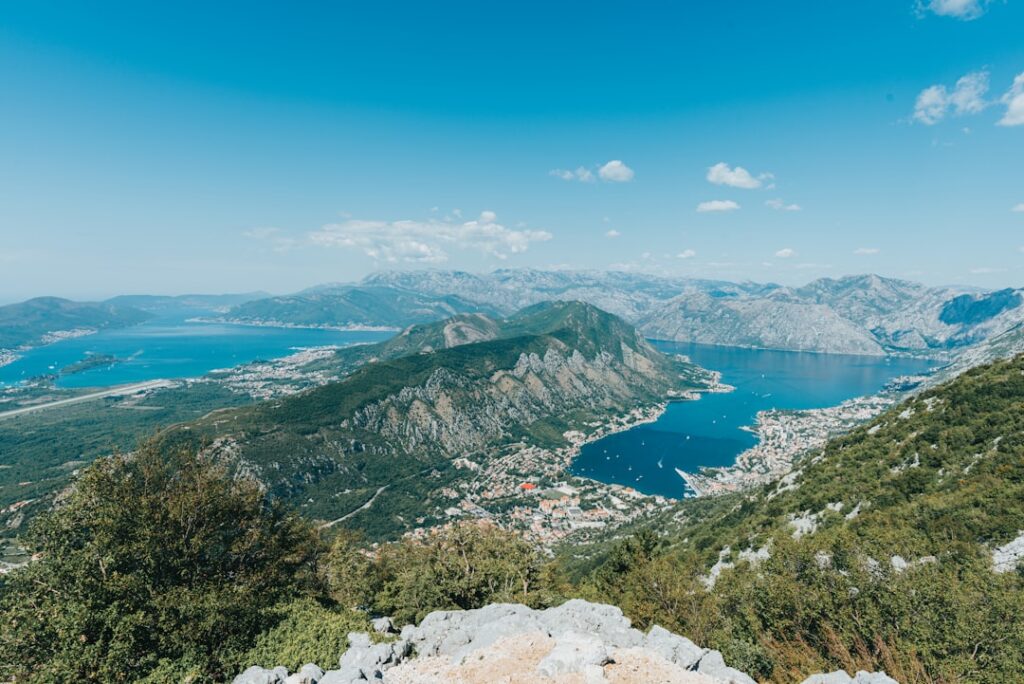
Montenegro is a land of contrasts: sun-drenched Adriatic beaches, narrow fjord-like inlets such as the Bay of Kotor, and the steep peaks of Durmitor National Park. Traveling by bus is often the most practical and budget-friendly way to cross this compact but geographically fragmented country. Montenegro’s bus network links the major coastal and inland towns as well as many mountain villages that trains don’t reach. For the attentive traveler, the bus is more than transportation: it’s a local experience, a front-row seat to the shifting scenery from coast to interior, and a chance to observe everyday Montenegrin life.
This article is a practical, detailed guide for anyone navigating Montenegro’s bus network: how it’s organized, typical frequencies, addresses of main bus stations, fares in euros, usual timetables, and local tips for buying tickets, boarding, and making the most of your journeys. It includes immersive route descriptions — for example the winding road between Kotor and Cetinje or the scenic run from Budva to Sveti Stefan — so you know what to expect and can savor each leg as part of the adventure.
The network is operated by several local and international companies. Some routes run frequently throughout the day, while others operate only a few times daily or even just a few times a week. The tourist season (May–September) significantly increases frequency: expect more services, extra buses and occasionally slightly higher fares for direct routes. In the low season, planning ahead becomes essential, especially for trips to rural or mountain areas.
This guide also provides exact addresses for the main bus stations (with postal codes where possible), price ranges in euros for popular routes, and sample schedules: early departures, peak-time windows and last runs. Finally, you’ll find practical tips — where to buy tickets (ticket office, app, online), how to secure space for luggage, and what to do if your bus is delayed — so that a hiccup becomes a travel anecdote rather than a problem. Whether you’re planning a beach stay in Budva, a hike in Durmitor, or a cultural visit to Cetinje and Kotor, mastering the local bus network gives you freedom, flexibility and savings.
The Montenegrin bus network: structure, operators and main stations
Montenegro’s bus network is built around a web of local operators covering domestic routes and a handful of international carriers for cross-border trips. The most commonly encountered local operators include Blue Line Montenegro, Autoprevoz, Glušica (often spelled “Glusica”) and various family-run regional companies. In recent years international operators like FlixBus have run seasonal services linking major Montenegrin towns with nearby capitals (Belgrade, Zagreb, Dubrovnik) — handy if you’re arriving overland.
Major bus stations (autobuske stanice) act as hubs for connections. Here are some exact addresses and brief descriptions:
- Autobuska stanica Podgorica — Bulevar Svetog Petra Cetinjskog bb, 81000 Podgorica. This is the country’s main station, located near the city center and the railway station. Ticket counters are typically open from 05:00 to 22:00; there are left-luggage services and a café on site.
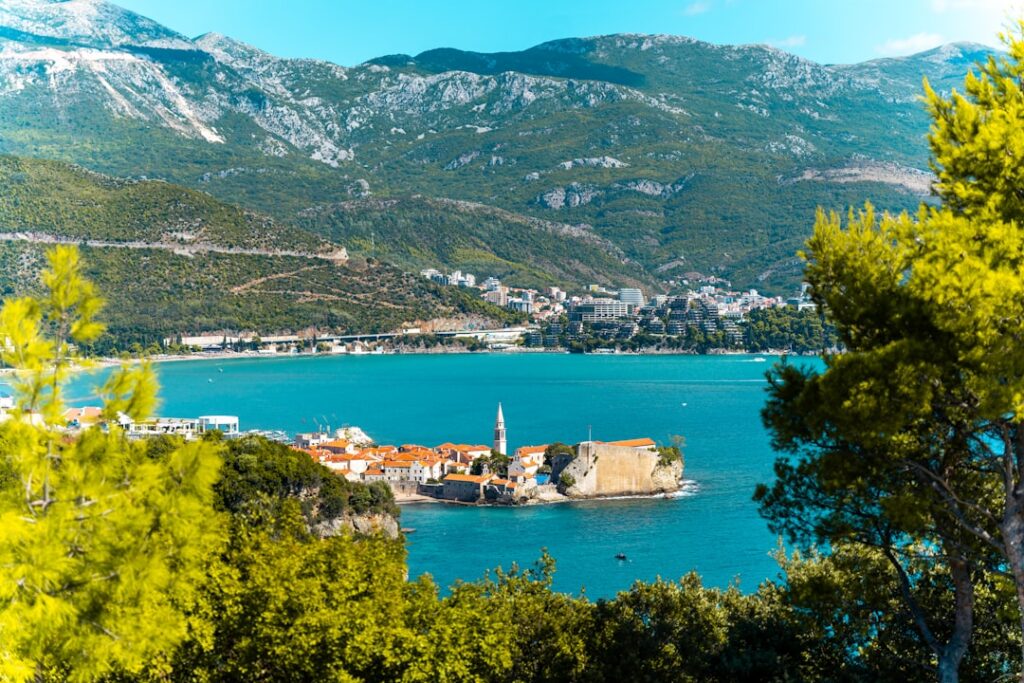
- Autobuska stanica Budva — Stari Put bb, 85310 Budva. Located on the outskirts of the old town, the station provides quick access to coastal routes and shuttles to Sveti Stefan.
- Autobuska stanica Kotor — Trg od Oružja bb, 85330 Kotor. A compact station that gets very busy in high season; taxi and tourist minibus stops are right outside.
- Autobuska stanica Bar — Bulevar Revolucije bb, 85000 Bar. A hub for southbound routes and the Bar–Belgrade rail connection. Ticket counters open early and sometimes stay open until 21:00.
- Autobuska stanica Herceg-Novi — Trg Nikole Đurkovica 1, 85340 Herceg Novi. Important for cross-border services to Croatia and Bosnia-Herzegovina.
- Autobuska stanica Tivat — Pristanišna ulica bb, 85320 Tivat. Convenient if you arrive via Tivat Airport (a stylish gateway to the Bay of Kotor).
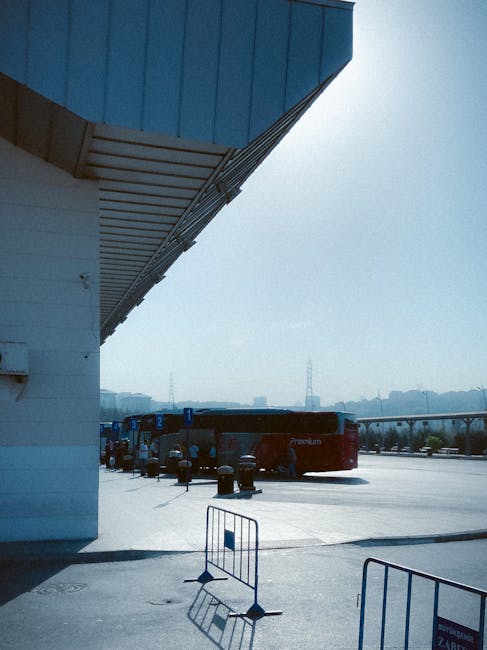
Stations generally operate between 05:00 and 22:00; some night routes exist but are rare and often seasonal. Facilities vary: Podgorica and Bar offer more services (lockers, pay toilets, snack kiosks), while smaller stations may just have a ticket window and a shelter.
Frequencies, fares and typical timetables: what to know when planning
Frequencies depend heavily on season and route popularity. Between Podgorica, Budva, Kotor and Bar, expect departures roughly every 30 to 60 minutes in high season (May–Sept), generally between 06:00 and 22:00. In low season, the same routes may only have 4 to 8 runs per day, often clustered in the morning and late afternoon.
Indicative fares (prices in euros) for common routes — these can vary slightly by operator and season:
- Podgorica ↔ Budva: €4.00 – €6.00. Duration: 30–50 minutes depending on route (coastal road or highway).
- Podgorica ↔ Kotor: €6.00 – €8.00. Duration: 1h10–1h40 (winding mountain road).
- Budva ↔ Kotor: €2.00 – €4.00. Duration: 30–45 minutes.
- Podgorica ↔ Bar: €3.00 – €5.00. Duration: 40–60 minutes.
- Budva ↔ Sveti Stefan (local bus): around €2.00. Duration: 15–20 minutes.
- Podgorica ↔ Žabljak (Durmitor): €12.00 – €18.00. Duration: 3h30–4h30 depending on snow and road conditions.
Typical timetables: popular lines (e.g. Podgorica–Budva, Budva–Kotor) run first departures around 06:00–07:00, a steady service between 08:00 and 18:00, then more spread-out departures after 20:00. Intercity services to mountain areas often leave early (05:30–07:00) so hikers can arrive early in the day.
Buying tickets and practical tips: you can purchase tickets at station counters (arrive 20–30 minutes before departure in high season), via operators’ mobile apps (Blue Line, FlixBus) or directly from the driver for short local trips. Always keep your ticket — inspections are frequent. For long trips (Žabljak, international routes) it’s wise to book the day before. Buses usually include one piece of luggage in the hold; for oversized items or skis expect to pay a small fee at the ticket office (€1.00 – €3.00 depending on type).
Served towns and key connections — routes and local tips
The network covers the main urban and tourist centers. Here’s an overview of the primary towns served, with tips for connections:
- Podgorica — the main hub for domestic and international connections. If you need to change for Žabljak, Plužine or Cetinje, Podgorica station is the best departure point. Nearby: the railway station, official taxis on the square and car rental offices (keep your printed reservations).
- Budva — several stops between the station area and the old town. To reach the beaches (Mogren, Bečići) or Sveti Stefan, use the frequent local shuttles. In summer, travel early to avoid crowds and traffic delays.
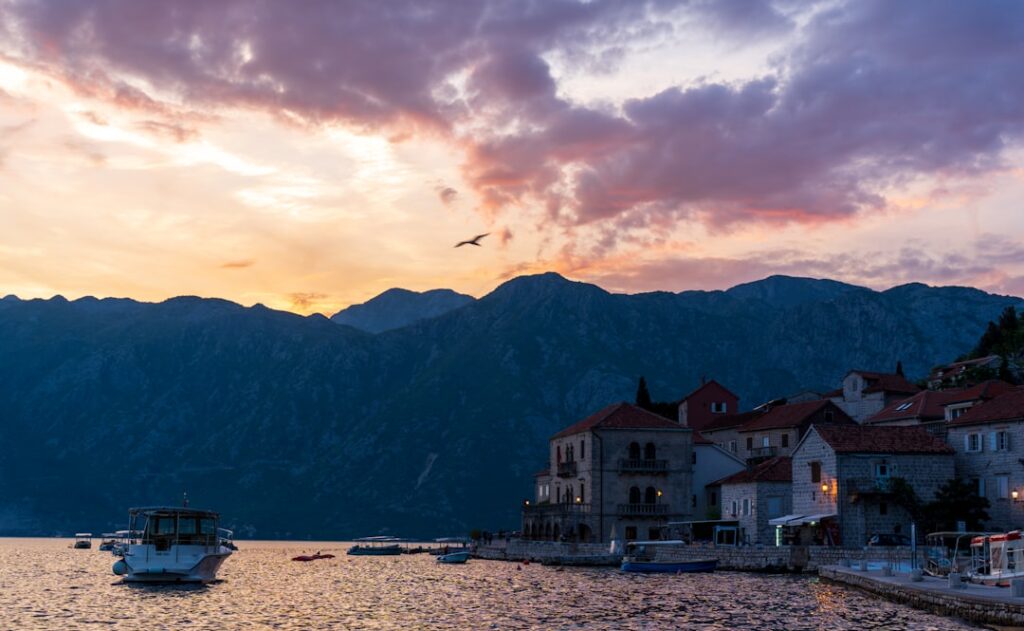
- Kotor — the station is close to the old town; beware narrow roads during transfers. To get to Perast and the island of Our Lady of the Rocks (Gospa od Škrpjela), take a local minibus or taxi from the station (5–10 minutes).
- Bar — ideal for international rail connections. Long-distance buses to Shkodër (Albania) or Dubrovnik (Croatia) often leave early; check border controls which can extend travel times.
- Herceg-Novi and Tivat — served by less frequent coastal links; Tivat is the gateway to the international airport (Tivat Airport). Allow extra time if you’re connecting to a flight.
Local tips: time your transfers carefully, especially in Kotor where roads can be clogged by tourist coaches in high season. Bring a small blanket or a warm layer for high-altitude journeys (temperatures can drop in Žabljak even in summer). Learn a few basic Serbo-Croatian phrases (hello — « dobar dan », thank you — « hvala »): drivers and ticket clerks appreciate the effort and it often helps you get practical, friendly advice on the spot.
Conclusion — Preparing your bus travel in Montenegro
Traveling by bus in Montenegro blends convenience, savings and immersion: routes take you through breathtaking scenery, from turquoise bays to rocky summits. The key to a successful trip is preparation. Check timetables and book when trips are long or during high season, verify the station address (e.g. Autobuska stanica Podgorica — Bulevar Svetog Petra Cetinjskog bb, 81000 Podgorica), and build buffers into your schedule for connections and border checks. Prices in euros remain affordable — a short coastal ride often costs €2–6, while mountain journeys can reach €12–18 due to distance and road conditions.
Stay flexible: accept that buses may be delayed, routes might change in high season, and always keep station addresses and phone numbers on hand. For extra comfort, reserve a window seat to enjoy the views, and pack snacks and water for longer or more remote trips. If you’re traveling in winter, check road conditions and early departures to avoid snow-related disruptions.
Finally, taking the bus in Montenegro is a valuable way to meet locals, learn hidden routes, and discover villages you might otherwise miss. Whether you’re planning a coastal hop from Budva to Kotor, a scenic transfer to Cetinje, or an ascent to Durmitor, the bus network gives you the freedom to explore at your own pace. Buy your ticket, pick the best window and let the road tell you Montenegro’s story.